This article contains affiliate links to booking sites. If you book through them, LOCAL SIDE JAPAN earns a small commission at no extra cost to you. The neighborhood is described in full first; the two guided versions come at the end, with what they actually cost. How this site is made →
TOKYO / KOTO CITY / KIYOSUMI-SHIRAKAWA
Kiyosumi-Shirakawa gets called “Tokyo’s Brooklyn” by people who have been to neither. What it actually is: a low, flat, canal-cut district of old timber warehouses that the lumber trade left behind, into which, starting around 2015, coffee roasters moved because the ceilings were high and the rent was not. Blue Bottle opened its first shop outside the United States here. The neighborhood around it never changed to match. There is a 140-year-old garden, a Buddhist temple that burns a fire five times a day, a museum that is a rebuilt Edo street, and a very good contemporary art museum, and on a weekday morning you can have all of them nearly to yourself.
On this page
A morning here, in order
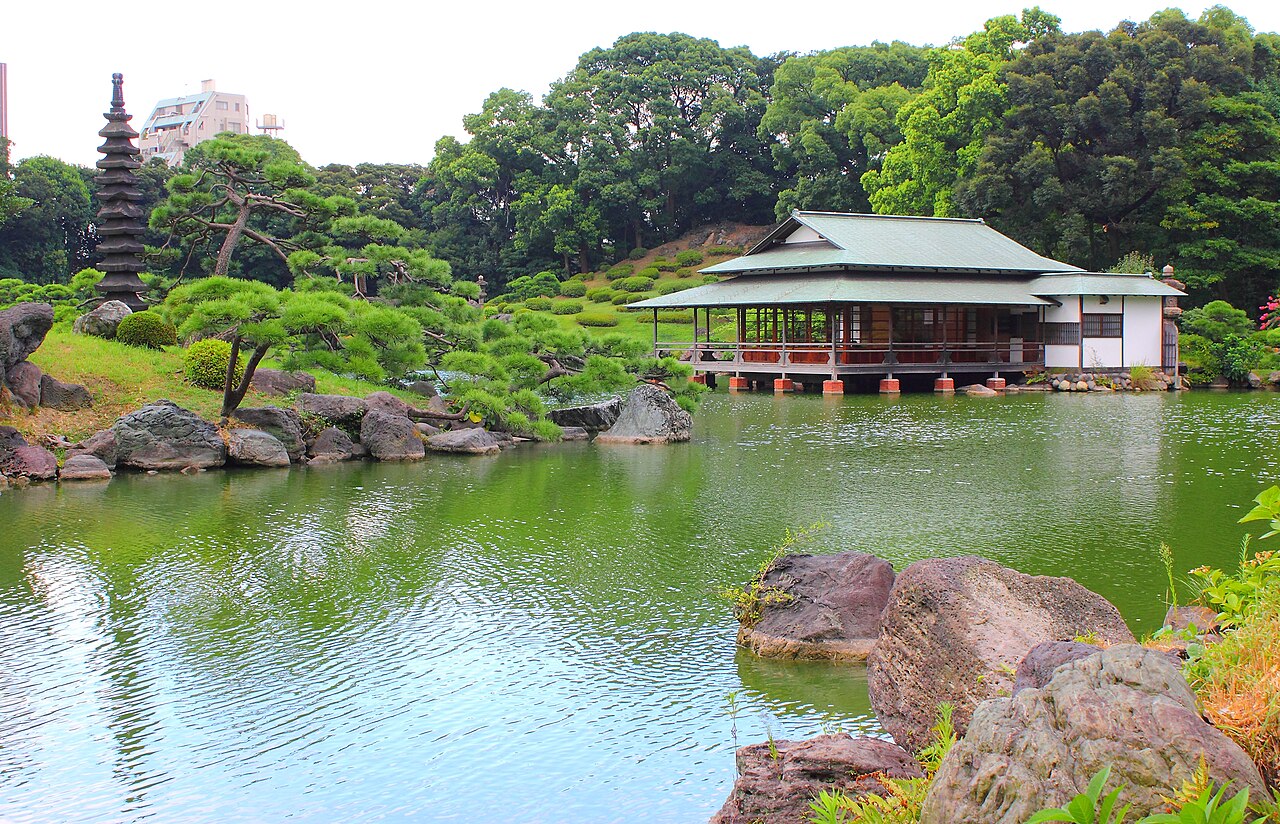
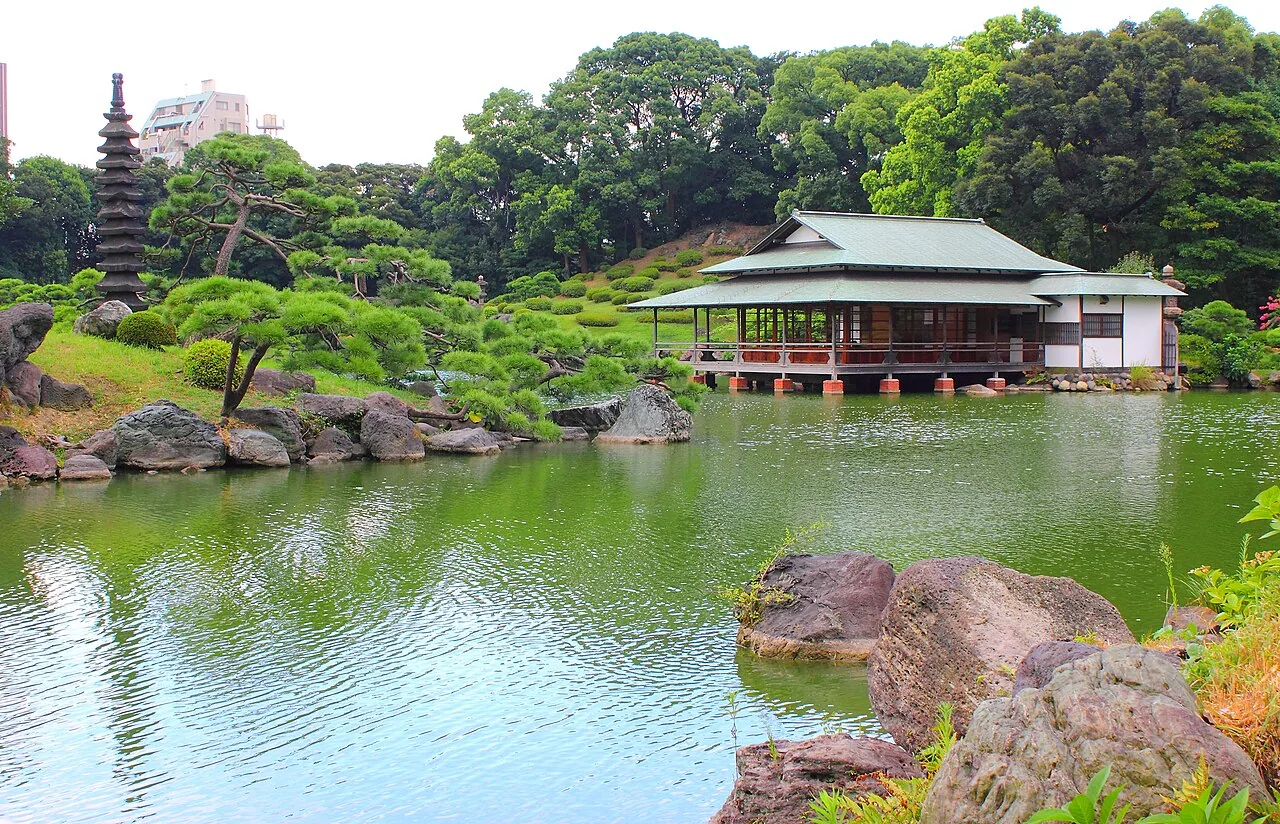
- Kiyosumi Garden, 9:00. Come out of Kiyosumi-Shirakawa Station (Hanzomon or Oedo line) exit A3 and the wall of the garden is in front of you. ¥150 for adults, ¥70 over 65, free for children; open 9:00 to 17:00, last entry 16:30, closed only December 29 to January 1. It was built in the 1880s by Iwasaki Yataro, the founder of Mitsubishi, who had famous stones shipped from all over Japan on his own boats and set them around a pond you cross on stepping stones. Turtles, herons, carp, and at 9:00 almost nobody. Give it forty-five minutes.
- Coffee, 10:00. The roasters are scattered along Kiyosumi-dori and the side streets to the east. Allpress Espresso is in a converted timber warehouse on the far side of the garden and is the one that photographs best; ARiSE Coffee Roasters is a counter with a few stools run by a man who roasts in the back; Blue Bottle‘s original Japan shop is on Hirano 1-chome and is a Blue Bottle. Pick one. The pastry-and-latte breakfast will cost ¥1,200 to ¥1,800 wherever you go.
- Fukagawa Edo Museum, 11:00. Three minutes from the garden. Inside a hangar they rebuilt a full-size block of 1840s Fukagawa: tenement houses, a rice shop, a boat landing, a fire tower, with the lighting cycling from dawn to night every twenty minutes and a rooster crowing on a loop. You can go into the houses and sit on the floor. ¥400 for adults, ¥50 for children. Volunteer guides in English usually on hand and worth accepting. One hour. Full guide to the museum →
- Lunch: fukagawa-meshi. The dish this district is named for is clams in miso ladled over rice, invented for fishermen who did not have time to sit down. Several places around the museum serve it for ¥1,000 to ¥1,500; the one facing the museum entrance is fine.
- Fukagawa Fudo-do, 13:00. Fifteen minutes’ walk south, or one stop to Monzen-Nakacho. This is a branch of Narita-san, and five times a day, at 9:00, 11:00, 13:00, 15:00 and 17:00, the monks perform goma: a fire lit in the main hall, sutras chanted over four large taiko drums, loud enough to feel in your chest. Watching is free and you can sit in the hall; nobody minds foreigners as long as you are quiet and do not photograph the ritual itself. Twenty-five minutes. Tomioka Hachimangu, the shrine that started professional sumo’s Edo tournaments, is next door and also free. Sumo is still the thing this ward is best at selling badly: the nine ways to see it in Tokyo, compared, including which ones let you into the ring and which run a lottery for it.
- Museum of Contemporary Art Tokyo, afternoon, if you have energy left. Twenty minutes’ walk east through Kiba Park. The permanent collection is ¥500 and is the best-value contemporary art ticket in the city; closed Mondays.
Total spend for the day without the art museum: about ¥550 in admissions plus what you eat. This is a neighborhood where paying for a guide is a choice, not a necessity.
When to come, and when not to
- Weekday mornings are the neighborhood at its best. Saturday afternoon the coffee shops have queues down the street, mostly of Tokyo people, which is its own kind of interesting but not quiet.
- Monday: MOT is closed every Monday; the Fukagawa Edo Museum closes on the second and fourth Monday of the month (it stays open when that Monday is a holiday). The garden and the temple are open every day.
- Mid-August, every third year: the full Fukagawa Hachiman Festival, when spectators throw buckets of water over fifty portable shrines. 2026 was a full year; the next is 2029. The smaller annual version is still worth seeing.
- Early November: the garden’s maples turn, and the garden runs evening openings. Late March for cherry blossom in Kiba Park.
Two guided versions, and what they really cost
Both of these exist on Viator and both are honest products. Read the price notes, because one of them is not what the headline number suggests.
- Kiyosumi Shirakawa Morning Tour: Garden, Coffee and Japanese Sweets (Viator): three hours from 9:00, starting at the garden gate, then Allpress for coffee and a light breakfast, then a Japanese sweet, with a guide who lives here. Around ¥10,000, garden admission and the coffee included. It is the route above with the stories told and someone to order for you; good if you are on your first days in Japan and would like the neighborhood explained rather than found. New listing, a handful of five-star reviews.
- Coffee Omakase at KOFFEE MAMEYA Kakeru + Kiyosumi Garden (Viator): this is a reserved seat at Kakeru, the tasting-menu coffee bar in a Kiyosumi warehouse where a barista serves a course of coffees the way a sushi chef serves a course of fish, followed by a walk to the garden. The Viator price of about ¥4,500 covers the seat reservation and the garden ticket; the coffee course itself, ¥8,500 to ¥10,000, is paid at the bar on the day. So the real cost is ¥13,000 to ¥14,500 per person. For a coffee person, Kakeru is one of the two or three places in Tokyo worth that; for everyone else, it is a lot of money for coffee, and the seat is also bookable directly from the shop if you plan ahead.
Where this joins the rest of the east side
Kiyosumi-Shirakawa sits at the top of the canal network that runs down through Koto City. The Onagi River and its old boat checkpoint are a thirty-minute walk east along the water; the ¥100 boat park on the Yokojukken is a little beyond it. North across the Sumida is Ryogoku and the Kokugikan. The Edo Kiriko glass workshop is two stations north on the Oedo line, and the tattoo-friendly sento are across the river in Sumida.
The rest of the ward, in order, is in Things to Do in Koto City: 12 Places.
Quick answers
How much does Kiyosumi Garden cost and when is it open?
Adults ¥150, over 65 ¥70, children free. Open 9:00 to 17:00 with last entry at 16:30, every day except December 29 to January 1. It is directly outside exit A3 of Kiyosumi-Shirakawa Station.
Is Kiyosumi-Shirakawa worth visiting for coffee?
Yes, on a weekday. Allpress Espresso, ARiSE Coffee Roasters and the original Blue Bottle Japan shop are all within ten minutes of the station, and a coffee and pastry costs ¥1,200 to ¥1,800. Saturday afternoons have long queues.
What is the Fukagawa Edo Museum and how much is it?
A full-size reconstruction of an 1840s Fukagawa street inside a hall, with houses you can enter and lighting that cycles from dawn to night. ¥400 for adults, ¥50 for children; closed the second and fourth Monday of the month. Three minutes from Kiyosumi Garden.
Can visitors watch the fire ritual at Fukagawa Fudo-do?
Yes, free. The goma fire ritual with taiko drums is held daily at 9:00, 11:00, 13:00, 15:00 and 17:00 in the main hall. Sit quietly and do not photograph the ritual. The temple is a fifteen-minute walk south of Kiyosumi-Shirakawa or next to Monzen-Nakacho Station.
Do I need a guided tour for Kiyosumi-Shirakawa?
No. Everything is walkable and signposted, and the whole morning costs about ¥550 in admissions. A guided morning tour costs around ¥10,000 and is useful mainly on your first days in Japan. The coffee omakase tour lists at about ¥4,500 but the coffee course, ¥8,500 to ¥10,000, is paid separately at the bar.
Practical notes
- Getting there: Kiyosumi-Shirakawa Station, Hanzomon line (from Shibuya, Omotesando, Otemachi) or Oedo line (from Ryogoku, Tsukishima). Exit A3 for the garden, B2 for the coffee streets.
- Admissions: Kiyosumi Garden ¥150 / Fukagawa Edo Museum ¥400 / Fukagawa Fudo-do free / Tomioka Hachimangu free / MOT collection ¥500.
- Cash: the garden gate and the museum take cards now; some of the smaller roasters and the fukagawa-meshi places do not. Carry ¥5,000.
- Closed days: MOT every Monday; Fukagawa Edo Museum second and fourth Monday; garden and temples never, except the New Year holiday.
- With kids: the Edo Museum is the best thing in the district for children; the garden’s stepping stones are the second best. Kiba Park has a large playground.
LOCAL SIDE JAPAN checked garden and museum prices and hours against the Tokyo Metropolitan Park Association, Koto City Cultural Community Foundation and Fukagawa Fudo-do’s public information, and the tour prices and inclusions on Viator, on September 18, 2026. Prices are approximate and change with the exchange rate. Nothing here was provided free by an operator.