Sumida City

  • What it is: One of Tokyo’s 23 special wards, on the east bank of the Sumida River.
  • Area: 13.77 km² — 17th of the 23 wards. 4.77 km east to west, 6.12 km north to south.
  • Population: 272,085 in 145,768 households (2020 census, Sumida City).
  • Borders: The Sumida River to the west, the Arakawa to the east. Adachi, Arakawa, Taito, Chuo, Koto and Edogawa.
  • Known for: Tokyo Skytree, sumo at the Kokugikan, Edo Kiriko cut glass, and the oldest surviving shopping lanes in the city.
  • Nearest hubs: Oshiage (Skytree), Ryogoku (sumo), Kinshicho (bars and baths), Asakusa is one bridge away on the Taito side.

Where is Sumida City?

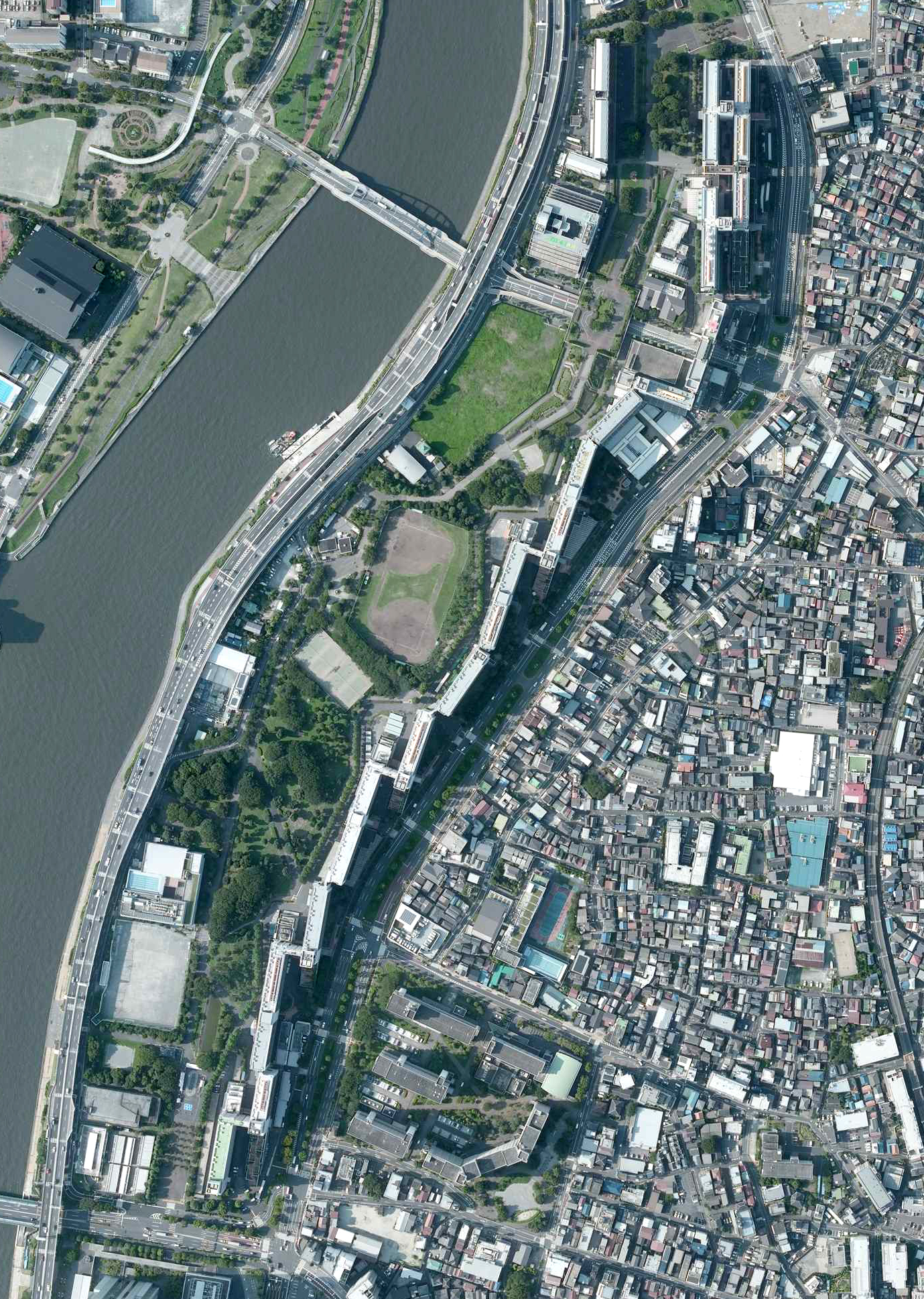
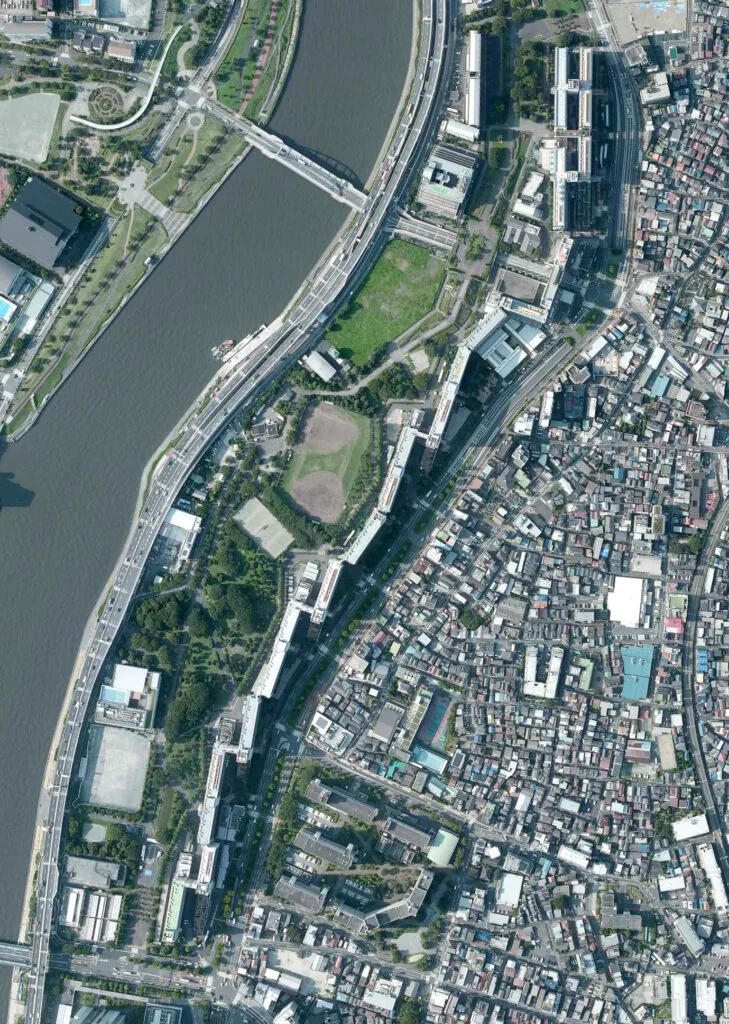
Sumida is the ward directly across the river from Asakusa, on Tokyo’s east side. It is 13.77 square kilometres, the 17th largest of the 23 wards, and small enough to cross on foot: 4.77 kilometres wide and 6.12 kilometres tall, bounded by the Sumida River on one side and the Arakawa on the other. Just over 272,000 people live in it. If you have been up the Skytree, you have been in Sumida; almost nobody comes down and walks.

What is Sumida known for?

Four things, and they are not the ones the ward puts on its posters. The Skytree, at 634 metres the tallest structure in Japan, in Oshiage. Sumo: the Kokugikan in Ryogoku is where the January, May and September tournaments are held, and most of the training stables are within walking distance of it. Edo Kiriko, the cut glass that has been made here by hand since the 1830s. And the thing nobody advertises — this is the part of Tokyo where the pre-war city partly survived, because some of it escaped both the 1945 firebombing and the 1980s rebuilding.

What should I do in Sumida?

The full list, free routes first, is in the ten places worth your time in Sumida. The short version:

Is Sumida worth visiting beyond the Skytree?

Yes, and the honest reason is distance. Everything above is inside a forty-minute walk of the tower. The usual pattern — up the Skytree, photograph it, leave — costs you the ward itself, and the ward is where the interesting half is. The counter-argument is also honest: Sumida has no single famous sight other than the tower and the stadium. If you want monuments, go to Taito. If you want a city that people still live in, stay here.

How do I get to Sumida?

Three stations do almost all of it. Oshiage (Hanzomon, Asakusa, Tobu Skytree and Keisei lines) for the Skytree and the north. Ryogoku (JR Sobu line, Toei Oedo line) for sumo, the Japanese Sword Museum and the Edo-Tokyo Museum. Kinshicho (JR Sobu, Tokyo Metro Hanzomon) for the bars, the baths and the cheapest hotels on this side of the river. From Asakusa you can simply walk: Azumabashi bridge takes ten minutes and puts you at the foot of the Skytree.

One day in Sumida

Start at Ryogoku at 09:00 for the Kokugikan if a tournament is on, or the Japanese Sword Museum if not. Walk north along the river for an hour. Lunch in Kyojima. Afternoon at the glass workshop or the Skytree, depending on the weather. Bath at Koganeyu in Kinshicho before dinner. If you would rather end on the water, the yakatabune dinner boats board nearby and the river looks better at night than it does at noon.

Every Sumida guide on this site

Below. Free routes and real prices first, the bookable experiences with what they actually include, and what the reviews say about each one.

  • Sumo in Tokyo: Morning Practice vs Sumo Show vs the Tournament, by Someone Who Runs One (2026)

    Sumo in Tokyo: Morning Practice vs Sumo Show vs the Tournament, by Someone Who Runs One (2026)

    This article contains affiliate links to booking sites. If you book through them, LOCAL SIDE JAPAN earns a small commission at no extra cost to you. The writer also runs a sumo experience in Koto City; it is mentioned once, at the end, without an affiliate link and without a ranking, and it is not one of the recommendations. How this site is made →

    TOKYO / EXPERIENCES / SUMO, THE THREE KINDS

    Search “sumo Tokyo” on a booking site and you get forty products that look alike and are three completely different things. There is the tournament, fifteen days three times a year at the Kokugikan, where the sport is actually decided. There is morning practice, which is a real stable’s real training, watched in silence from the edge of the room. And there is the sumo show, retired wrestlers in a restaurant doing demonstrations, letting you into the ring, and serving you chanko stew, which is entertainment and is sold as such. They cost about the same. They are not interchangeable. I run a sumo experience myself, a few stations east of Ryogoku, so I have an interest in this, which is declared again at the bottom; the ranking below leaves my own out. Prices, meeting points and review counts were read on the booking sites on September 21, 2026.
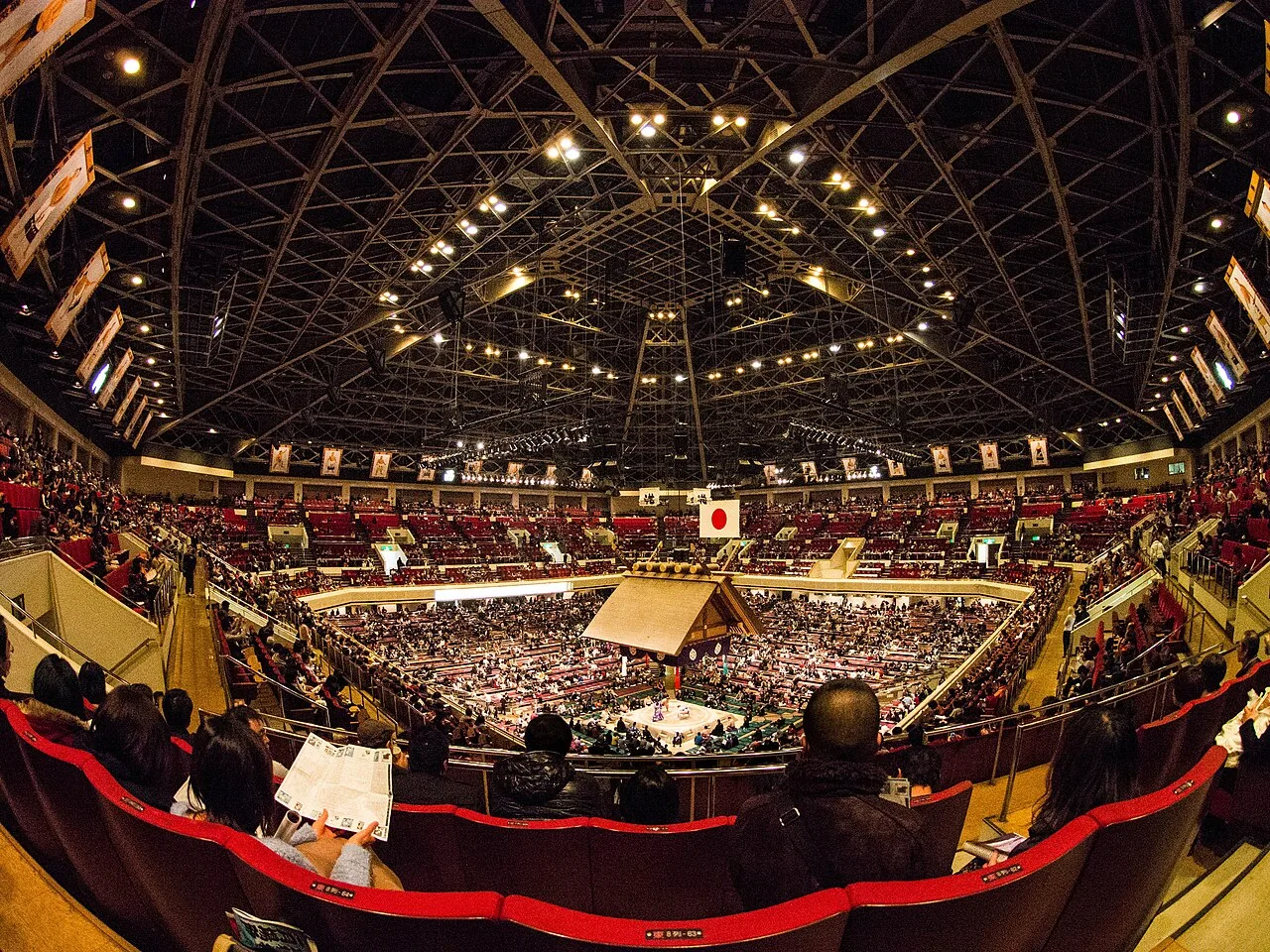
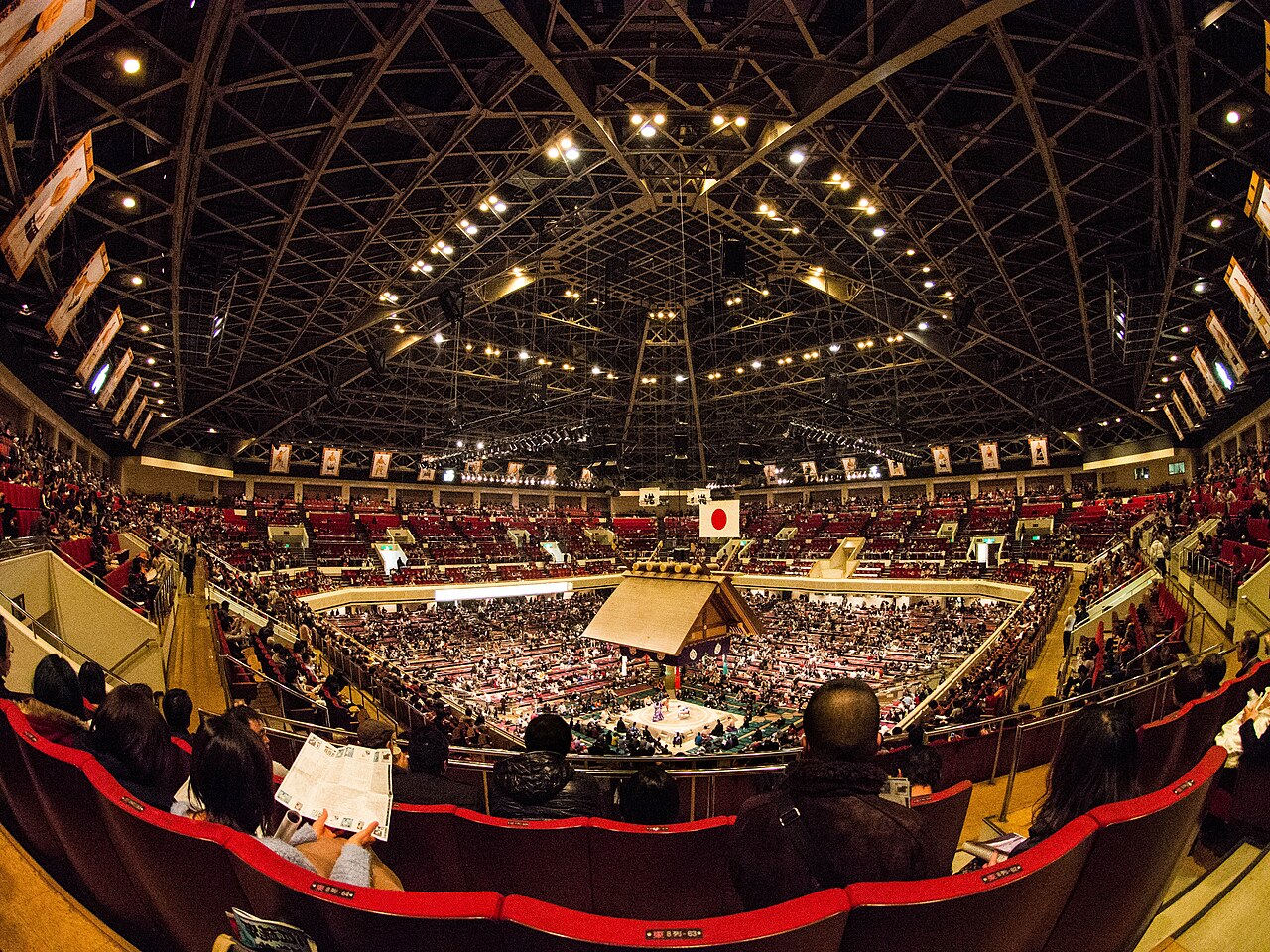
    Inside the Ryogoku Kokugikan during a Grand Sumo tournament, view from the chair seats
    The Kokugikan during a tournament. The other two kinds of sumo happen in rooms a hundredth this size. Photo: Gregg Tavares / Wikimedia Commons, CC BY 2.0.

    Which of the three you actually want

    The tournamentMorning practiceThe sumo show
    What it isThe real competition, 15 days, six times a year, three in TokyoA stable’s daily training, 7:30 to 10:00, watched from the sideRetired wrestlers demonstrate, you step in the ring, you eat chanko
    WhenJan, May, Sep in Tokyo; Mar Osaka, Jul Nagoya, Nov FukuokaMost mornings outside tournament weeks; never on the days after oneEvery day, several sittings
    Do you interactNoNo; you watch and stay quietYes; that is the product
    PhotosYesRestricted; no flash, no sound, often only at the endEncouraged
    Cost, official¥3,500 chair seatSome stables free or ¥1,000 by direct arrangement, mostly Japanese onlyNone; it exists only as a booking
    Cost, booked¥20,000 to ¥40,000 with a guide¥14,000 to ¥18,000 with a guide¥8,000 to ¥19,000
    ChildrenYes, half-day is enoughOver about 8, and only if they can sit still for 90 minutesYes, the best of the three for them

    1. The tournament: ¥3,500 yourself, or ¥21,000 with someone

    If your dates overlap a Tokyo tournament (September 13 to 27, 2026; January 10 to 24, 2027; then May and September 2027), this is the one. Nothing else on this page is the sport. The official chair seat is ¥3,500 from the Sumo Association’s own seller, and how to buy it, when it goes on sale, and what a day inside looks like are in the sumo tickets guide, which exists so you do not have to pay six times that. If you would rather someone else handle the ticket and explain the rituals, the honest packaged options are JTB’s Grand Sumo Tournament Viewing Tour with Tickets, four to five hours with a guide, about ¥21,000, 4.8 from nearly 900 reviews, and Official Sumo Tournament Ticket with Guided Experience, five hours, about ¥20,700, 4.7 from about 40 reviews. Both sell out; both are worth it only when the official site is sold out or you want the commentary.

    2. Morning practice: real, silent, and worth knowing the rules of

    Asageiko is what a sumo stable does every morning from about 7:30: two and a half hours of the wrestlers, from teenagers to ranked men, going through the same drills and bouts on a clay ring in a room with a wooden floor and no heating, while the stablemaster watches from a cushion. Visitors sit along the wall. You do not speak, eat, stretch your legs toward the ring, use flash, or leave before the end; you can usually take photographs quietly and a group photo at the finish. It is the most authentic sumo thing a visitor can do, and it is also ninety minutes of watching men do push-ups, and both are true. Stables do not train during tournament weeks (they are at the arena) or for a few days after, so the calendar matters. Almost every guided version below is ¥14,000 to ¥18,000, and the price buys the arrangement with the stable and a guide who explains what you are watching; the stables themselves see little of it. Book the one closest to where you are staying, and read the reviews for how strictly the rules were kept, which is a sign of a stable that takes it seriously.

    One to be careful with: the one-hour Watch Sumo Morning Practice at Stable is about ¥14,500 and rated 4.2 from 270 reviews, well below the others; the complaints are about the hour being short and the viewing crowded. Read them before booking. And a free version exists: a few stables in Sumida and Koto let individuals watch by direct arrangement, in Japanese, on the stable’s terms, and the ward tourism sites list which; it is not bookable, it can be cancelled at seven in the morning, and it is how locals do it.

    3. The sumo show: entertainment, and good at it

    These are ninety-minute to two-hour productions in a restaurant or a hall: retired wrestlers explain the rules, demonstrate the ritual and the techniques, fight a few exhibition bouts, invite volunteers into the ring to be gently thrown, pose for photographs, and serve chanko-nabe, the stew the stables eat. Nobody involved is competing, which the good listings say, and the wrestlers are professionals at the show, which is a different skill from the sport and one they are often better at. For children, for groups, for an evening rather than a 7:30 start, and for anyone whose trip misses a tournament, this is the right kind, and the reviews are the highest on this page for a reason.

    • The SUMO Show, Ryogoku: ninety minutes at a tonkatsu restaurant in Tatekawa, Sumida, run by retired wrestlers, with sparring, a turn in the ring, tonkatsu and chanko, about ¥12,700, 4.9 from about 2,500 reviews. The east-side one, ten minutes from the Kokugikan, and the one to book if you want the show in sumo’s own neighborhood.
    • Shinjuku Sumo Show and Experience with Photo: ninety minutes, about ¥12,000, 4.9 from over 4,000 reviews, the most-booked sumo product in Japan, in a hall in Shinjuku with drinks.
    • Shibuya Sumo Show with Drink and Photo: ninety minutes, about ¥8,000, 5.0 from about 740 reviews. The cheapest show in the city, without the meal.
    • Sumo Entertainment Show with Chicken Hot Pot and Geisha, Asakusa: two hours, about ¥16,000, 4.8 from about 1,500 reviews, the dinner-theater version with a geisha performance added.
    • SUMO LAND, Ryogoku: Wrestler Challenge, Hotpot and Mochi-Pounding: ninety minutes to two hours, 4.9 from about 335 reviews, and the only one with a vegan chanko. Note the price carefully: the ¥9,500 headline is the “no meals, sumo only” option and the version with the hot pot costs more — we had this the wrong way round until we checked the booking page again on October 10, 2026. The chanko itself is supervised by the Isegahama stable.
    • Live Sumo Show and Kaiseki Dinner at Hirakuza, Ginza: two hours fifteen, about ¥19,000, 4.9 from about 180 reviews, the upmarket one, often sold out.

    Which sumo experience to book

    If you wantBookAreaAbout
    The sport, during a tournamentOfficial ¥3,500 seat (see the tickets guide); or JTB’s guided tourRyogoku¥3,500 · or ¥21,000 · 4.8 (893)
    The real thing, no tournamentMorning Practice Viewing Tour at a Real StableKiyosumi-Shirakawa¥14,000 · 2 h · 5.0 (133)
    Practice plus the stewMorning Practice and Chanko LunchRyogoku¥15,000 · 3 h · 4.9 (65)
    The show, in sumo’s neighborhoodThe SUMO ShowRyogoku (Tatekawa)¥12,700 · 90 min · 4.9 (2,471)
    The show, cheapestShibuya Sumo ShowShibuya¥8,000 · 90 min · 5.0 (742)
    The show, with childrenShinjuku Sumo Show, or SUMO LANDShinjuku / Ryogoku¥12,000 / ¥9,500
    Dinner theaterHirakuza Ginza, or Asakusa with geishaGinza / Asakusa¥19,000 / ¥16,000

    The east side, and the interest I have

    Sumo is an east-side sport: the Kokugikan is in Sumida, most stables are in Sumida and Koto, and the show in Tatekawa and the practice visits from Kiyosumi-Shirakawa above are within a couple of stations of each other. I run the Sunamachi Ginza Sumo Stable in Kitasuna, Koto City, a sumo experience on a working shopping street that is also listed on the booking sites; it belongs in the “show” column above and it is not ranked there, because I wrote the column. If you want an independent view of it, the reviews are on the listing, and the shopping street it sits on is in the Koto City list on its own merits.
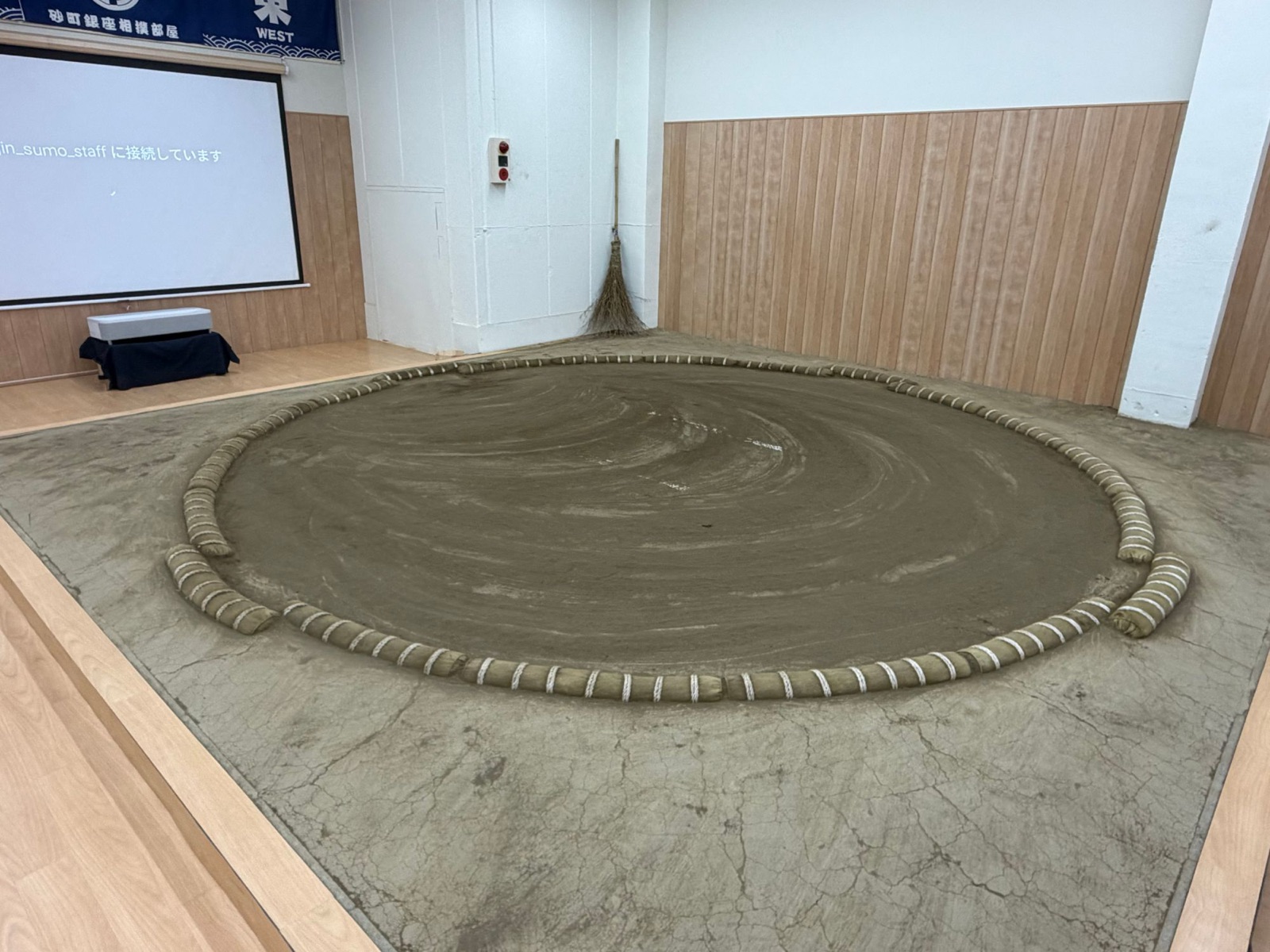
    The dohyo at the Sunamachi Ginza Sumo Stable in Koto City, a full-size clay ring with straw tawara bales
    The ring I am talking about: the dohyo at the Sunamachi Ginza Sumo Stable in Kitasuna, Koto City. Full size, straw tawara, in a room rather than an arena — which is the practical difference between the three kinds above. Photo: LOCAL SIDE JAPAN.
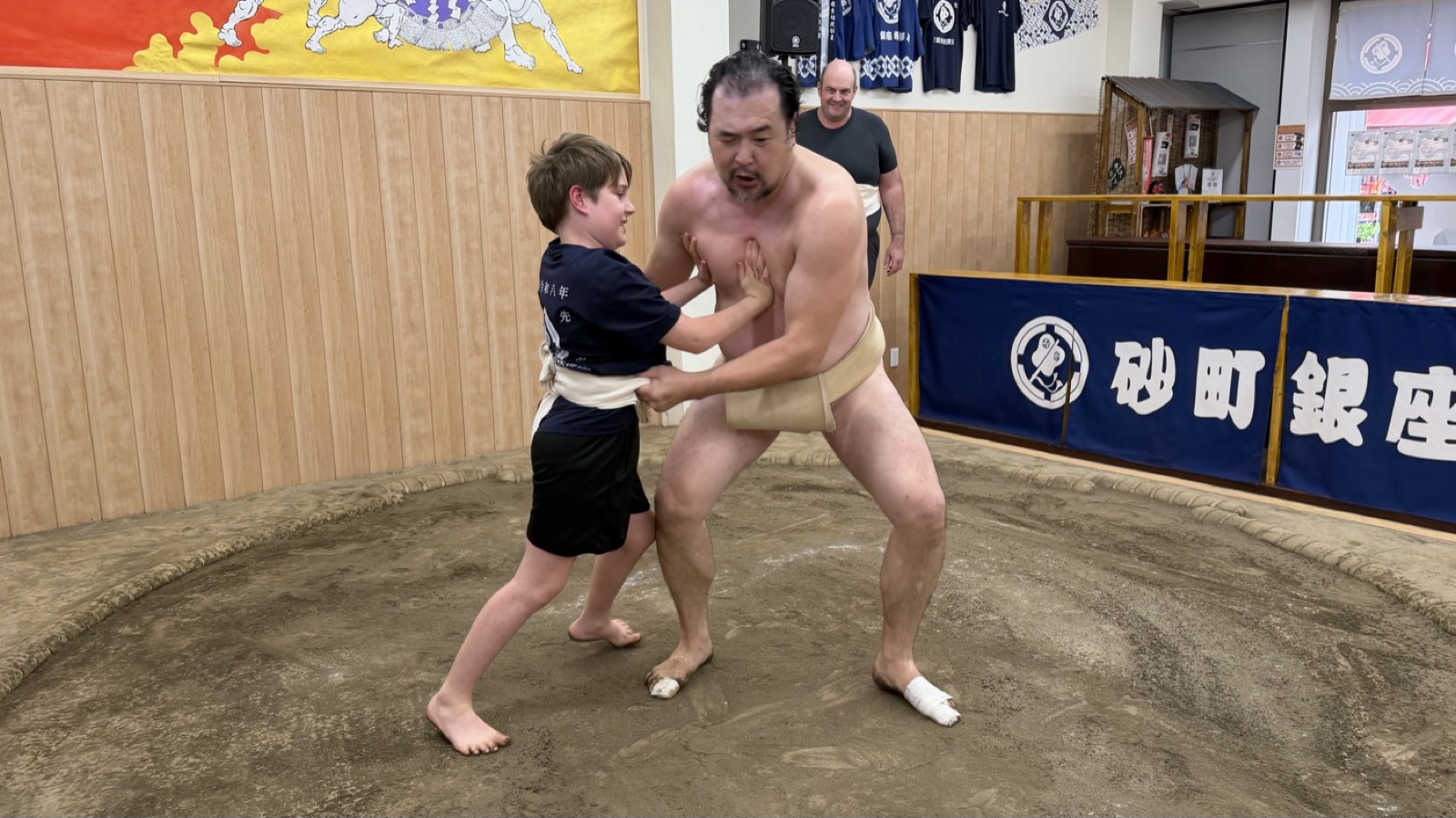
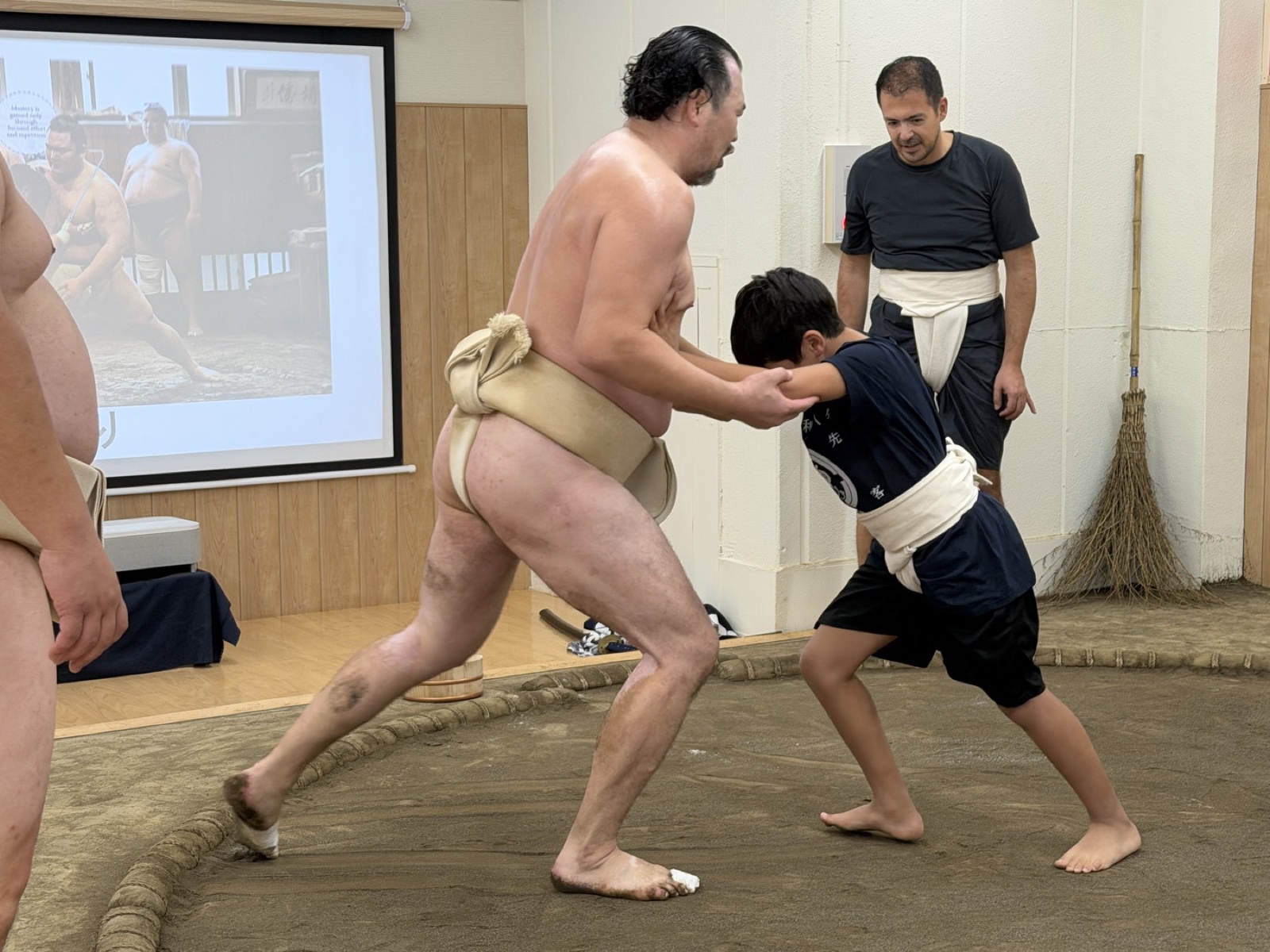
    A young guest in a practice mawashi over a T-shirt pushing against a wrestler on the dohyo at the Sunamachi Ginza Sumo Stable
    And the reason it does not sit in the “show” column cleanly: the guests are in practice mawashi and in the ring, not watching from a table. Same stable, same session. Photo: LOCAL SIDE JAPAN.

    And if you have picked your kind and now need to pick the place: we compared all nine of them on the four things the listings leave out — whether you get in the ring at all, what you wear, how close you sit and what you eat. Tokyo sumo experiences compared →

    Where this joins the rest of the east side

    The cheap seat and the tournament calendar are in the sumo tickets guide; the free sumo museum and the reopened Edo-Tokyo Museum beside the arena are on the Sumida list; and Tomioka Hachimangu, where Edo’s professional sumo began, is a free stop in Kiyosumi-Shirakawa. The other combat tradition sold to visitors here is compared the same way in samurai and ninja experiences by kind — and the ¥1,000 sword museum in that article is three minutes from the Kokugikan. The other experiences compared by area are tea ceremony, sushi classes and kintsugi.

    Quick answers

    What is the difference between a sumo show and sumo morning practice?

    Morning practice is a real stable’s daily training, watched silently from the side for about two hours from 7:30, with no interaction; guided visits cost ¥14,000 to ¥18,000. A sumo show is a 90-minute entertainment by retired wrestlers with demonstrations, a turn in the ring, photos and chanko stew, ¥8,000 to ¥19,000. Neither is the tournament, which is the actual competition.

    Can you watch sumo morning practice for free in Tokyo?

    At a few stables, by direct arrangement in Japanese and on the stable’s terms; the ward tourism sites list them. It is not bookable and can be cancelled the same morning. Guided visits, about ¥14,000 to ¥18,000, handle the arrangement and add an English explanation.

    When is sumo in Tokyo?

    Three tournaments a year at the Ryogoku Kokugikan: January, May and September, each 15 days (September 13 to 27, 2026; January 10 to 24, 2027). Osaka in March, Nagoya in July, Fukuoka in November. Morning practice visits and sumo shows run outside tournament weeks all year.

    Which sumo show in Tokyo is best?

    The SUMO Show in Ryogoku (about ¥12,700, 4.9 from 2,500 reviews) for the show in sumo’s own neighborhood; the Shinjuku show (about ¥12,000, 4.9 from 4,000 reviews) for the most-booked; the Shibuya show (about ¥8,000) for the cheapest; Hirakuza in Ginza (about ¥19,000) for dinner theater.

    Is a sumo morning practice tour worth it?

    Yes if you want to see the real sport up close and can sit still and silent for 90 minutes at 7:30 in the morning; no if you want to interact or take part. Book from Kiyosumi-Shirakawa or Ryogoku, avoid tournament weeks, and read reviews for how the rules were kept.

    How much are sumo tickets in Tokyo?

    ¥3,500 for an official chair seat bought from the Sumo Association’s seller; box seats more. Guided packages with tickets cost about ¥20,000 to ¥40,000. The official route is explained step by step in this site’s sumo tickets guide.


    LOCAL SIDE JAPAN read the prices, durations, meeting points, suppliers and review counts of every product above on Viator on September 21, 2026, and the tournament dates against the Nihon Sumo Kyokai schedule. Prices are approximate and move with the exchange rate. The writer operates a sumo experience in Koto City, disclosed above; it carries no affiliate link here and is excluded from the rankings. The other operators are described from their listings and reviews.
    Written by Kizuku. I run the Sunamachi Ginza Sumo Stable, a sumo experience in Koto City, and I write about the east side of Tokyo I live and work in. More about this site →

  • Things to Do in Sumida Beyond the Skytree: 10 Places (2026)

    Things to Do in Sumida Beyond the Skytree: 10 Places (2026)

    This article contains affiliate links to booking sites. If you book through them, LOCAL SIDE JAPAN earns a small commission at no extra cost to you. Eight of the ten places below cost ¥600 or less and need no booking. How this site is made →

    TOKYO / SUMIDA CITY / THE LIST

    Everyone goes to Sumida City. Almost nobody knows they were there, because the Skytree is a place you go up and leave — for ¥1,800 if you book it properly — and the ward around its feet does not get a look. That ward has the Kokugikan and the sumo museum, two of Tokyo’s best small museums and its biggest one, newly reopened, a shopping street that has not changed since the 1960s, three bathhouses that welcome tattoos, and a river walk the tour buses skip. Here are ten things to do in Sumida beyond the Skytree, in the order I would do them, with prices and hours checked on September 20, 2026.

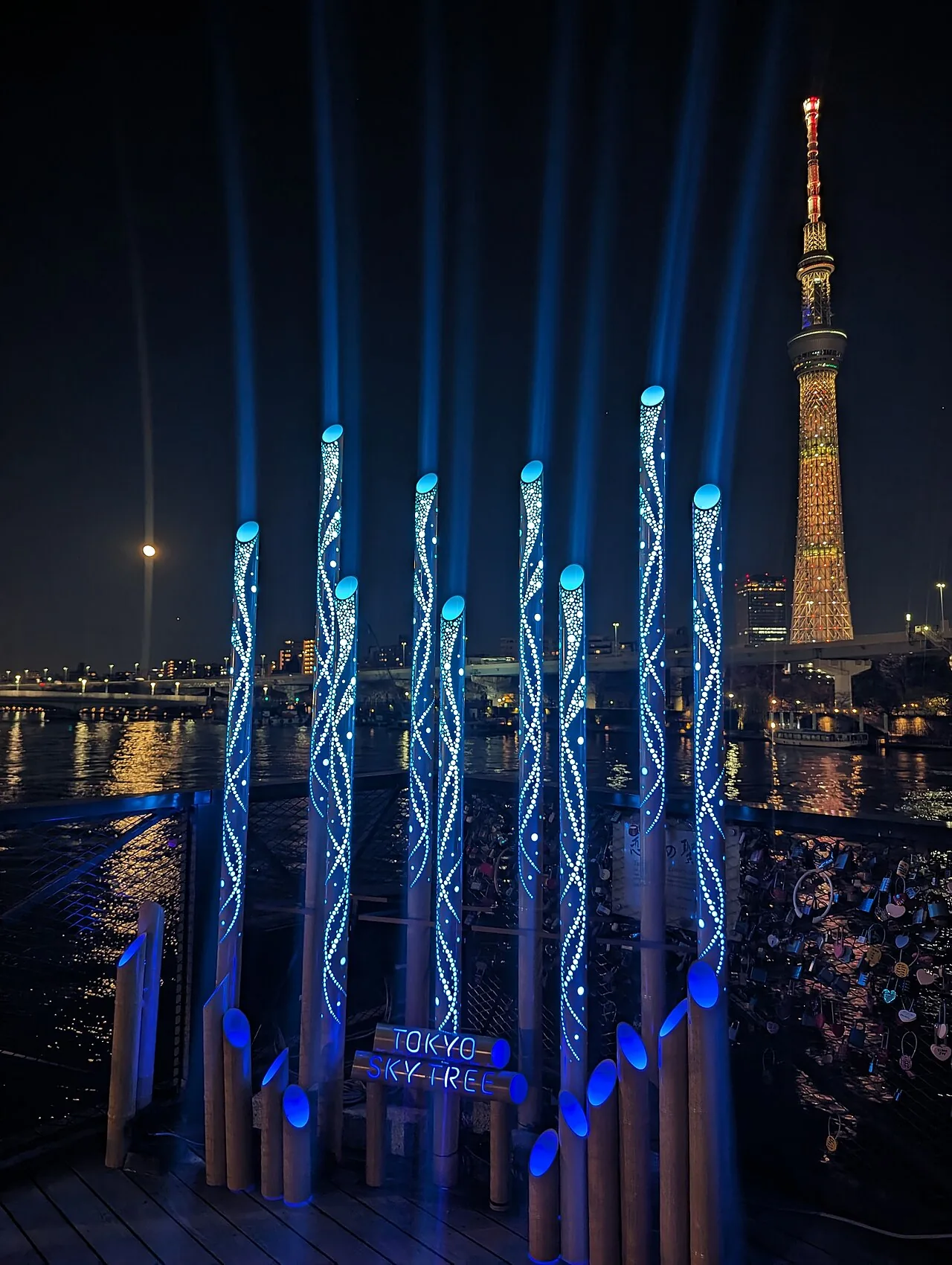
    Sumida River Walk pedestrian bridge at night with Tokyo Skytree behind
    The Sumida River Walk, under the railway bridge. The tower is the one thing on this list you can skip. Photo: Justin Ormont / Wikimedia Commons, CC BY-SA 4.0.

    Fast facts

    • Free: the 3 km river walk from the Skytree to Senso-ji, and the Sumo Museum inside the Kokugikan.
    • Cheap: Tobacco and Salt Museum ¥100 · Mukojima Hyakkaen garden ¥150 · Sumida Hokusai Museum ¥400 · a bathhouse ¥600.
    • Worth paying for: cutting your own Edo Kiriko glass, ¥4,400 booked direct.
    • Closed Mondays: the Edo-Tokyo Museum, the Hokusai Museum and the Tobacco and Salt Museum. Do not come on a Monday for the museums.
    • Stations: Oshiage for the Skytree, Ryogoku for sumo and the museums, Kinshicho for the baths and the glass.
    • From Asakusa: ten minutes on foot over Azumabashi.

    Where is Sumida City, and what is it?

    Sumida City — Sumida-ku, 墨田区 — is one of Tokyo’s 23 special wards, on the east bank of the Sumida River, directly across the water from Asakusa. It is 13.77 square kilometres with 287,766 people living in it, which makes it one of the small, dense, flat, residential wards rather than one of the famous ones. Taito, with Asakusa in it, is its western neighbour; Koto is south; Arakawa north-west; Adachi north; Katsushika east; Edogawa south-east; Chuo south-west across the river.

    If you have been to Tokyo you have been here, because the Skytree is in Sumida and so is the Kokugikan, the national sumo arena. Almost nobody registers the ward itself, and the reason is that it has no centre you arrive at. It has two ends, and they feel like different cities:

    • The south — Ryogoku, Kinshi, Kikukawa. Sumo, the museums, the chanko restaurants, the stables behind sliding doors on residential streets. This is the half with the history in it.
    • The north — Oshiage, Mukojima, Kyojima, Tachibana. The Skytree stands at the join, and behind it the ward turns into wooden houses, alleys too narrow for a car, and a shopping street that has not been redecorated since the 1960s. This is the half nobody writes about.

    You will see the ward written several ways in English — Sumida City, Sumida Ward, Sumida-ku, sometimes just Sumida. They are all the same place. The ward office uses “Sumida City”, which is why this page does too. Population and area are the ward’s own figures as of April 1, 2025.

    What are the best things to do in Sumida?

    1. Walk the Sumida River from the tower to Senso-ji, free

    Three kilometers on foot: the Mizumachi cafés under the railway arches, the Sumida River Walk deck hanging off the Tobu bridge, the east bank of Sumida Park with its 300-year-old cherry trees, Ushijima Shrine and its three-legged torii, the X-shaped Sakurabashi, and the west bank down to Azumabashi and the temple. An hour if you walk, a morning if you do it properly. The full route is in Sumida River on Foot.

    2. Cut your own Edo Kiriko glass, ¥4,400

    Sumida is where Tokyo’s cut glass is still made by hand, and the Sumida Edo Kiriko Museum, a working studio run by Hirota Glass, lets you cut a pattern into your own tumbler for ¥4,400 booked directly, or with an English guide for around ¥22,000 through the booking sites. The honest comparison is in the Edo Kiriko guide. Kinshicho Station.

    3. Edo-Tokyo Museum, reopened March 2026

    Tokyo’s museum of itself, the one on stilts beside the Kokugikan, reopened on March 31, 2026 after four years closed, with the full-size Nihonbashi bridge, the Edo townhouse street and the kabuki theater rebuilt and relit. It is the one museum in the city that explains why the east side looks the way it does: the fires, the canals, the tenements. Allow two hours. Admission went up with the reopening: ¥800 for adults, ¥400 for 65 and over, ¥480 for university students, ¥300 for high-school students, free for junior high and younger — it was ¥600 before it closed. Open 9:30 to 17:30, to 19:30 on Saturdays, last entry half an hour before closing, closed Mondays. Ryogoku Station. For ¥400 less, and a street you walk inside rather than look at, the Fukagawa Edo Museum in Koto is the other way to do this.

    4. The Sumo Museum inside the Kokugikan, free

    A single room on the ground floor of the sumo arena with woodblock prints, ceremonial aprons and the portraits of every champion, free, open on weekdays 10:00 to 16:30; during the three Tokyo tournaments (January, May, September) it is open only to ticket holders. The rest of Ryogoku, with the chanko restaurants and the stables you can occasionally see into, is around it. If you want to see actual sumo, the ¥3,500 official seat and how to get it is written by someone who runs a stable in the next ward and says so; the nine places you can actually do it are compared in Tokyo sumo experiences compared, and the morning-practice visits and shows in the three kinds of sumo.

    5. Sumida Hokusai Museum, ¥400

    Hokusai was born in this ward and spent nearly all of his ninety years in it, moving house ninety-three times. The aluminum museum near Ryogoku shows the Great Wave and the rest of the Thirty-six Views in the permanent collection for ¥400 (special exhibitions extra), with a life-size model of the old man drawing in his squalid studio while his daughter watches. Closed Mondays. Small; an hour.

    6. A bath at Koganeyu or Daikokuyu, ¥600

    Sumida has more neighborhood bathhouses than anywhere in Tokyo, because the wooden houses here never had baths of their own. Koganeyu in Kinshicho, with a craft-beer tap by the entrance and a DJ booth, and Daikokuyu in Oshiage, open until ten the next morning, both say in writing that tattoos are welcome. ¥600, the fixed Tokyo price since August 2026. The etiquette and the third bath are in the tattoo-friendly sento guide.

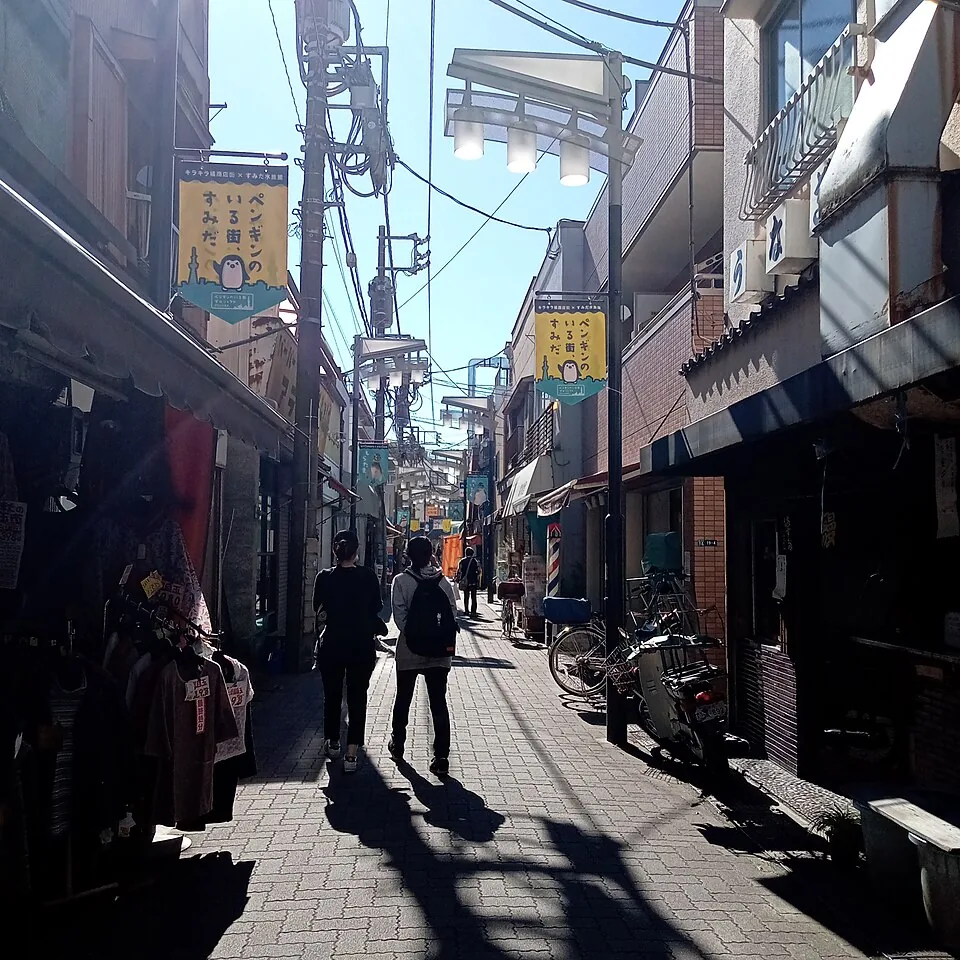
    7. Kirakira Tachibana shopping street in Kyojima, the price of lunch

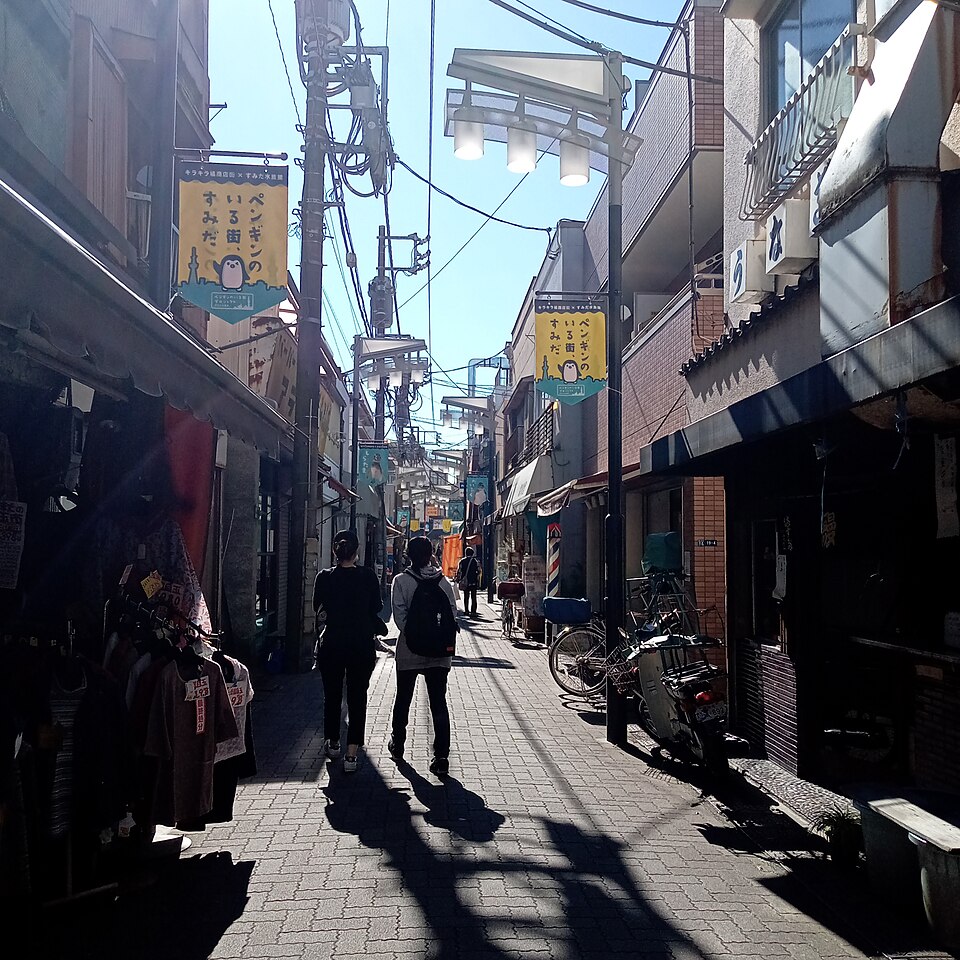
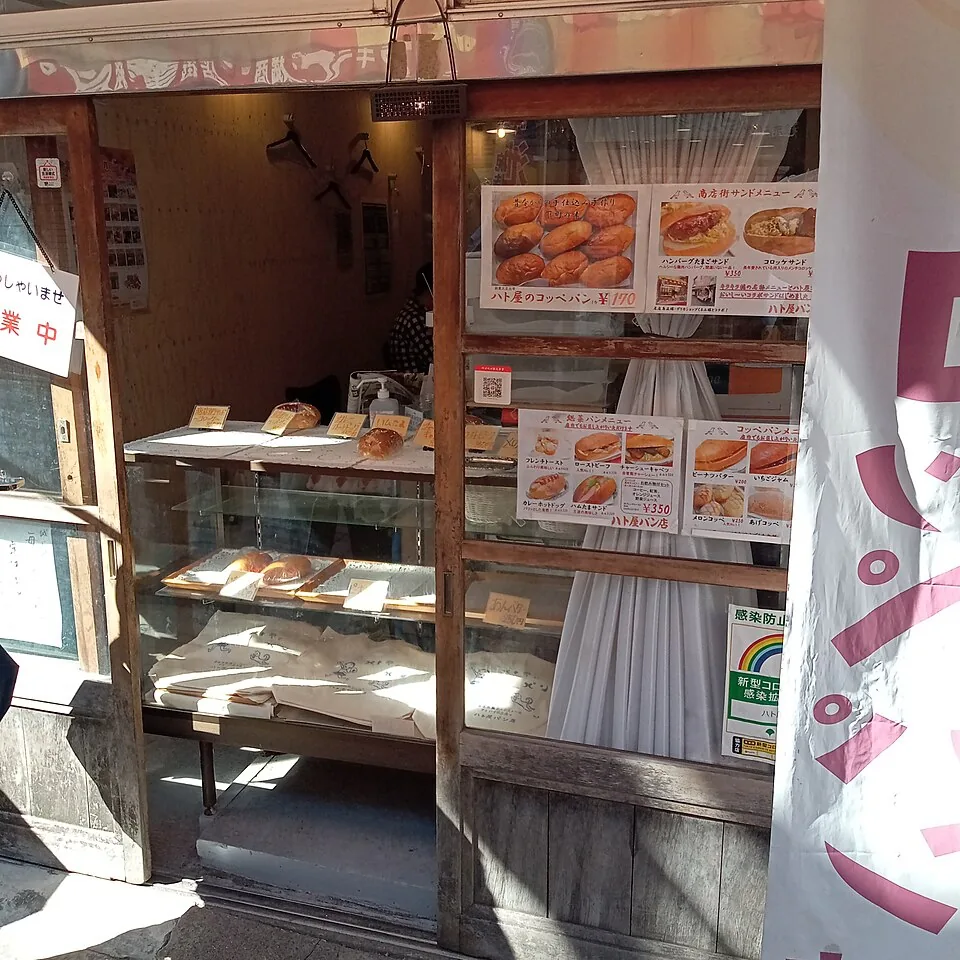
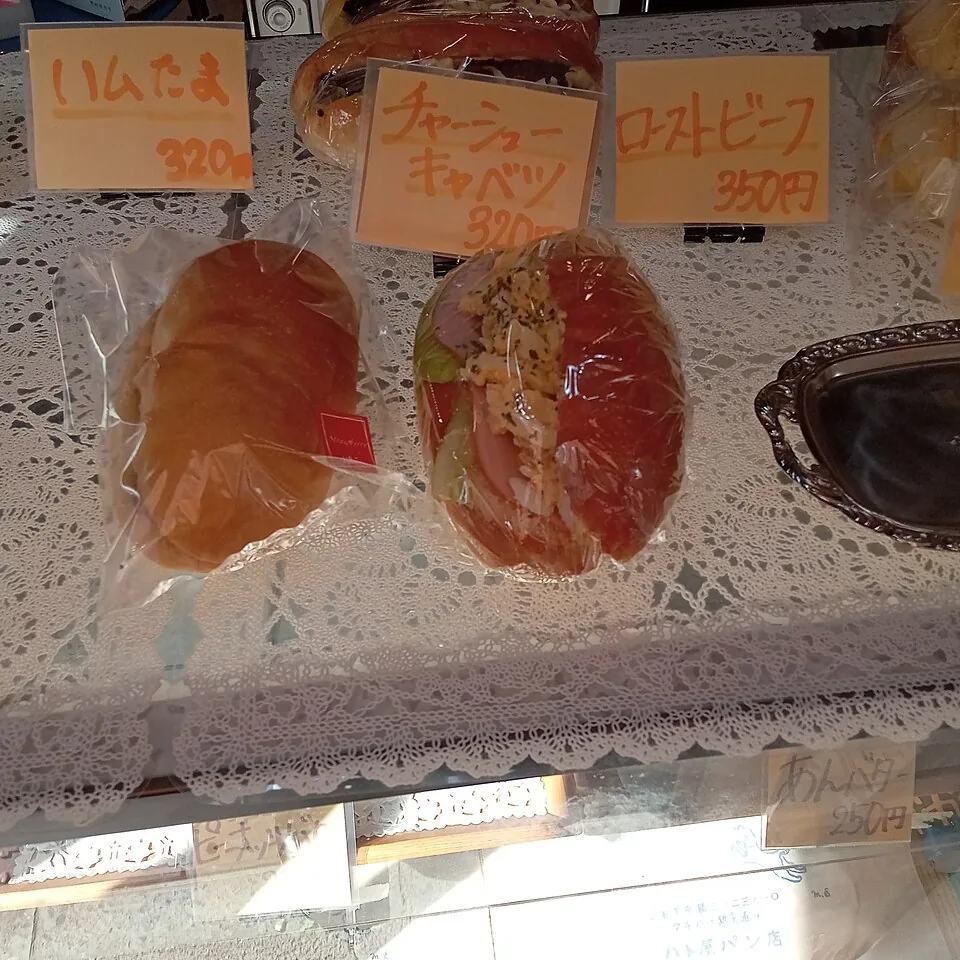
    Four hundred and seventy meters of Showa-era shops five minutes from Keisei Hikifune: a bakery that has been there since the 1950s, prepared-food counters, greengrocers, and a rest room run by the shopping street where you can eat what you bought. Around it is Kyojima, one of the last dense wooden neighborhoods in the city, which the ward has been trying to make fireproof for fifty years. A two-hour walk plan →

    8. Mukojima Hyakkaen, ¥150

    The only surviving garden in Tokyo made by Edo townspeople rather than a lord: a plant collector and his literary friends laid it out in 1804 as a “garden of a hundred flowers”, with plum in February, a tunnel of bush clover in September, and haiku stones under the trees. ¥150, 9:00 to 17:00, closed at New Year. Higashi-Mukojima Station, and a short walk from the Shirahige-Higashi apartment firewall, which is the strangest building in the ward.

    9. Tobacco and Salt Museum, ¥100

    Japan Tobacco’s museum of its two former monopolies, moved from Shibuya to a warehouse district near the Skytree in 2015, and better than it sounds: the salt floor explains how a country with no rock salt made it from seawater for two thousand years, and the tobacco floor has the pipes, the packaging and the Edo tobacco shops. ¥100 for adults. Closed Mondays. Ten minutes from Honjo-Azumabashi.

    10. A yakatabune dinner boat from Azumabashi

    The lantern-hung wooden boats that leave from the pier below the red bridge are the 400-year-old way to see the river at night, and the one thing on this list worth spending real money on. Booked directly with Amitatsu it is ¥13,800 for two and a half hours with tempura and all-you-can-drink; on Viator, a 100-minute version with a show is about ¥15,800, 4.5 from nearly 600 reviews, with free cancellation. Which to pick is in the yakatabune guide.

    What else is there to see in Sumida?

    • Tokyo Skytree, obviously. Go at 18:00 on a weekday, buy the ticket online for the date-priced discount, and skip the top deck; the 350-meter floor has the view.
    • fcFA in Oshiage, three shops of football shirts beside the tower, for anyone who travels with a club. The shop guide →
    • Ekoin temple in Ryogoku, where the sumo tournaments were held before the Kokugikan, with the memorial to the 100,000 dead of the 1657 fire. Free.
    • The Sumida fireworks, last Saturday of July, a million people on both banks. Not a day for the river walk.

    What should I do in Sumida if I only have half a day?

    Walk the river one way and take the train back. Start at the Skytree at nine, walk down to Senso-ji through Mizumachi and Sumida Park, and you have seen the best free thing in the ward in about ninety minutes with the tower behind you the whole way. That is the half day.

    If it is raining, do Ryogoku instead. The Edo-Tokyo Museum, the Sumo Museum and the Hokusai Museum are within ten minutes of each other and of the station, and between them they cost about ¥1,000 and fill four hours. Not on a Monday — two of the three are shut.

    How do I spend a day in Sumida?

    Morning: Ryogoku at 10:00 for the Edo-Tokyo Museum, the sumo museum next door, chanko for lunch. Afternoon: the Hokusai museum, then the Edo Kiriko workshop at Kinshicho if you booked it, or Kirakira Tachibana and Kyojima if you did not. Evening: Koganeyu (open 6:00 to 9:00 and 11:00 to 24:30) for a bath at six, then walk the river to Azumabashi for the boat, or across it to Asakusa for dinner. Total without the boat and the glass: about ¥1,400.

    How do you get to Sumida?

    Easier than its reputation, because one subway line runs the length of the problem. The Tokyo Metro Hanzomon line starts at Shibuya and ends at Oshiage, at the foot of the Skytree, with Otemachi and Kinshicho on the way. If you are staying anywhere on that line you do not change trains at all.

    • From Shibuya: the Hanzomon line, direct to Oshiage. No transfer. This is the single most useful fact on this page for anyone staying on the west side.
    • From Tokyo Station: walk through to Otemachi, then the Hanzomon line east. Kinshicho for the baths and the glass, Oshiage for the tower.
    • From Asakusa: ten minutes on foot across Azumabashi bridge. Do not take a train. You can see where you are going.
    • For Ryogoku — sumo and the museums — note that the Hanzomon line does not stop there. Ryogoku is on the Toei Oedo line, one station from Morishita.

    The practical consequence is that Sumida is two visits, not one, unless you are prepared to cross between the ends. Ryogoku in the south and Oshiage in the north are about three kilometres apart on different lines, and the nicest way between them is not a train at all but the river walk.

    How much does a day in Sumida cost?

    About ¥1,850 for a full day of everything except the glass and the boat. That is the Tobacco and Salt Museum (¥100), Mukojima Hyakkaen (¥150), the Hokusai Museum (¥400), the Edo-Tokyo Museum (about ¥600) and a bathhouse at the end of it (¥600). The river walk and the Sumo Museum are free, and lunch on the Kirakira Tachibana shopping street is a few hundred yen a counter.

    Add ¥4,400 if you cut your own glass, which is the one paid thing on this page this site would tell you not to skip. Add ¥13,800 if you finish on a yakatabune. Everything else here is under a thousand yen, which is unusual for a ward with the tallest tower in Japan in it.

    Where this joins the rest of the east side

    Sumida is the middle of the east side. South across the Onagi is Koto City, with its own twelve-place list; west across the river is Asakusa and its workshops; north up the Tobu line is Kita-Senju. The ward also holds the Japanese Sword Museum in Ryogoku, ¥1,000 and three minutes from the station, which is the real thing behind every samurai experience sold in Tokyo. Everything in the ward is on the Sumida City page.

    Quick answers

    What is there to do in Sumida besides the Skytree?

    The Edo-Tokyo Museum (reopened March 2026), the Sumo Museum in the Kokugikan (free), the Sumida Hokusai Museum (¥400), the Edo Kiriko glass workshop, tattoo-friendly sento such as Koganeyu (¥600), Kirakira Tachibana shopping street in Kyojima, Mukojima Hyakkaen garden (¥150), the Tobacco and Salt Museum (¥100), the Sumida River walk to Senso-ji, and yakatabune dinner boats.

    Is the Edo-Tokyo Museum open again?

    Yes. It reopened on March 31, 2026 after a four-year renovation, beside the Kokugikan at Ryogoku Station. Check the museum’s site for current admission and hours; it is closed on Mondays.

    Is the Sumo Museum free?

    Yes. The Sumo Museum on the ground floor of the Ryogoku Kokugikan is free, open weekdays 10:00 to 16:30. During the January, May and September tournaments it is open only to people holding a tournament ticket.

    How do I get to Sumida City from central Tokyo?

    JR Sobu line or Oedo line to Ryogoku (museums and sumo), Hanzomon line to Oshiage (Skytree, river walk), JR or Hanzomon to Kinshicho (Edo Kiriko, Koganeyu), Tobu Skytree line to Hikifune or Higashi-Mukojima (Kyojima, Hyakkaen). Most of it is 10 to 20 minutes from Tokyo Station.

    How much does a day in Sumida cost?

    About ¥1,400 in admissions for the museums, the garden and a bath, plus food. The Edo Kiriko workshop adds ¥4,400 and a yakatabune dinner boat ¥13,800 to ¥15,800; both are optional.


    LOCAL SIDE JAPAN checked the Edo-Tokyo Museum reopening against the Tokyo Metropolitan Government’s announcement, the Hokusai Museum, Mukojima Hyakkaen (Tokyo Metropolitan Park Association) and Tobacco and Salt Museum admissions against their own pages, the sento price against the Tokyo Sento Association, and the boat prices against Amitatsu and Viator, on September 20, 2026. Prices are approximate and change; the Edo-Tokyo Museum’s post-renovation admission should be confirmed on its site.

    Written by Kizuku. I run the Sunamachi Ginza Sumo Stable, a sumo experience in Koto City, and I write about the east side of Tokyo I live and work in. More about this site →

  • Sumida River on Foot: From Skytree to Senso-ji the Slow Way

    Sumida River on Foot: From Skytree to Senso-ji the Slow Way

    This article contains affiliate links to booking sites. If you book through them, LOCAL SIDE JAPAN earns a small commission at no extra cost to you. The walk itself is free and is described in full. How this site is made →

    TOKYO / SUMIDA & TAITO / THE RIVER

    Most people do the Skytree and Senso-ji as two separate stops joined by a train. They are 1.5 kilometers apart with a river in between, and the river is the best part. This is the walk from the base of the tower to the temple gate along the Sumida, on the east bank going north and the west bank coming back if you want it, past two shrines nobody visits, a bridge shaped like an X, and the cherry trees a shogun planted three hundred years ago to give the townspeople somewhere to go. It takes an hour if you walk and a morning if you do it properly.

    Sumida River Walk pedestrian bridge at night with Tokyo Skytree behind
    The Sumida River Walk, under the railway bridge, at night. Photo: Justin Ormont / Wikimedia Commons, CC BY-SA 4.0.

    Fast facts

    • Cost: ¥0. The route is public and signposted; the shrines are free.
    • Distance: About 3 km using both banks.
    • Time: 60–90 minutes walking, a morning if you stop.
    • Start: Oshiage / Tokyo Skytree Station. End: Asakusa Station.
    • Best time: 07:00–09:00 or dusk. Avoid the last Saturday of July unless you are there for the fireworks.
    • Booking: none needed. Guided versions exist at about ¥6,600–¥7,500.

    Can you walk from Tokyo Skytree to Senso-ji?

    Yes, and it is the best free hour in east Tokyo. It is about three kilometres from the foot of the tower to the temple gate, 60 to 90 minutes at a walking pace, entirely on public paths, and signposted most of the way. You cross the Sumida River on a pedestrian deck bolted to the side of a railway bridge, and the tower is behind you the whole way.

    Almost everybody takes the train instead, which is one stop and takes four minutes. The train is the mistake. The walk is the part of Tokyo the two attractions are standing in, and it costs nothing.

    What is the Sumida River walk route?

    1. Start under the Skytree (Oshiage or Tokyo Skytree Station). You can ride back down this same river afterwards for ¥1,000 on the water bus from Asakusa, or see the district from a rickshaw or a ¥2,000 guided walk. Do not go up the tower; that is a different day, and when you do, buy the ticket from the official site — the marketplaces charge up to twice as much, and there is a free lift hall in Sumida City Office that looks straight at it. Walk west along the Kitajukken River, the narrow canal at the tower’s foot, on the path called Tokyo Mizumachi: a row of small shops and cafés built into the railway arches. Five minutes.
    2. Sumida River Walk. Where the canal meets the river, a pedestrian deck hangs off the side of the Tobu railway bridge. It opened in 2020 and is the only place you can cross the Sumida with trains passing a few meters above your head and the Skytree filling the sky behind you. Cross it, look back, and cross back; it is short and the view is the point.
    3. Sumida Park, east side. Stay on the Sumida ward bank and walk north. This stretch of park is the quiet one. The cherry trees along here descend from the ones the eighth shogun, Yoshimune, had planted in the 1710s so that ordinary Edo people would have a place for outings; it is one of the oldest deliberate public parks in the city.
    4. Ushijima Shrine, set back from the river in the park. A shrine with a bronze cow you stroke to cure whatever hurts (rub the cow’s leg, then your own). The three-legged torii, with a small extra gate on each side, is unusual enough that people who know shrines come here just to see it. Free, always open.
    5. Sakurabashi, the X-shaped footbridge further north, built for pedestrians only in 1985 to join the two halves of the park. Cross it to the Taito side. At cherry blossom time this is the most crowded 200 meters in east Tokyo; the rest of the year it is a bridge with a good view of the tower.
    6. Sumida Park, west side, walking south now toward Asakusa. This is the busier bank, with the river terrace at water level, the boat pier, and the golden flame on the Asahi building across the water. Come off the terrace at Azumabashi, the red bridge, and you are two minutes from Kaminarimon.
    7. Senso-ji, if you have not been. If you have, walk instead to Imado Shrine a few minutes north, which claims to be the home of the beckoning cat and is where locals come to pray for a partner.

    Total: about 3 kilometers, 60 to 90 minutes without stops. Everything is free. There are public toilets in both halves of the park and convenience stores at both ends.

    When is the best time to walk the Sumida River?

    • Early morning, 7:00 to 9:00, any season: joggers, dog walkers, a man doing tai chi, and the tower with the sun behind it. The Mizumachi cafés open around 8:00 or 9:00.
    • Dusk: the tower lights come on, the yakatabune boats start leaving Azumabashi with their lanterns lit, and the river terrace fills with people who live here. Bring a can from the convenience store; drinking on the terrace is normal.
    • Late March: the cherry blossom on both banks is the reason the park exists. Expect the crowds that come with that.
    • Last Saturday of July: the Sumida River Fireworks, seen by around a million people. Not a walk that day; a standing event.

    Do I need a guide for the Sumida River walk?

    You do not need a guide for this walk. Two exist that follow roughly the same water, and both are cheap enough to be reasonable if you would rather have someone explain the shrines than read about them:

    If you would rather be on the water than beside it, the public water bus runs from the pier at Azumabashi down to Hinode and Odaiba for the price of a train ticket, and the evening version of the river is the yakatabune dinner boat, which leaves from the same pier.

    Where this joins the rest of the east side

    From the Skytree end, Daikokuyu is ten minutes’ walk for a bath afterwards and Kyojima twenty. From the Asakusa end, Kappabashi is fifteen minutes west and the workshops in the streets behind Senso-ji are right there, along with the kimono rental shops, compared by what each price includes. Further up the same river, past where this walk ends, is the kilometer-long apartment wall built to stop fire, which is what the Sumida bank looks like when nobody is trying to make it pretty.

    The rest of the ward, in order, is in Things to Do in Sumida Beyond the Skytree: 10 Places.

    Quick answers

    How far is the walk from Tokyo Skytree to Senso-ji?

    About 1.5 kilometers direct, or around 3 kilometers if you follow the river through both halves of Sumida Park and cross at Sakurabashi. Allow 60 to 90 minutes without stops. The route is flat and free.

    What is the Sumida River Walk?

    A pedestrian deck attached to the Tobu railway bridge between Tokyo Skytree and Asakusa, opened in 2020. It lets you cross the Sumida River on foot with trains passing overhead and a full view of the Skytree, and connects to Tokyo Mizumachi, the shops built under the railway arches.

    Is Sumida Park worth visiting outside cherry blossom season?

    Yes. The east bank is quiet year-round, with Ushijima Shrine and its bronze cow, and the west bank has the river terrace with views of the Skytree and the Asahi building. Early morning and dusk are the best times.

    Do I need a tour to walk the Sumida River?

    No. The route is signposted and entirely public. Guided options exist for around ¥6,600 to ¥7,500 if you want the shrines and Senso-ji explained, but the walk itself needs no booking.


    Practical notes

    • Start: Oshiage / Tokyo Skytree Station. End: Asakusa Station. About 3 km via both banks, 60–90 minutes.
    • Cost: ¥0. Shrines free. Cafés at Mizumachi from about ¥500.
    • Best time: 7:00–9:00 or dusk. Avoid the last Saturday of July unless you are there for the fireworks.
    • Worth booking: only if you want the shrines and the temple explained; both guided walks are under ¥8,000.

    LOCAL SIDE JAPAN checked the Sumida River Walk, Mizumachi and Sumida Park details against Tobu Railway’s and Sumida City’s public information on September 18, 2026. Tour prices are from the booking sites on that date.

    Written by Kizuku. I run the Sunamachi Ginza Sumo Stable, a sumo experience in Koto City, and I write about the east side of Tokyo I live and work in. More about this site →

  • Yakatabune: Tokyo’s 400-Year-Old Dinner Boat, and the Two Ways to Book It

    Yakatabune: Tokyo’s 400-Year-Old Dinner Boat, and the Two Ways to Book It

    This article contains affiliate links to booking sites. If you book through them, LOCAL SIDE JAPAN earns a small commission at no extra cost to you. Booking directly with the boat operator, described first, pays us nothing. How this site is made →

    TOKYO / SUMIDA RIVER / ASAKUSA TO ODAIBA

    A yakatabune is a flat, lantern-hung wooden boat with tatami inside, and for four hundred years it has been how Edo, then Tokyo, went out on the river to eat. The boats are still run by family companies, several of them from the same riverbank districts they started in. You board in Asakusa at dusk, eat tempura fried on the boat while the Skytree goes past, sit under the Rainbow Bridge for half an hour with the lights of Odaiba, and come back. It is one of the few things in Tokyo that is both genuinely old and genuinely fun.

    It is also confusing to book, because the same evening is sold three different ways at three different prices. Here is how it actually works.

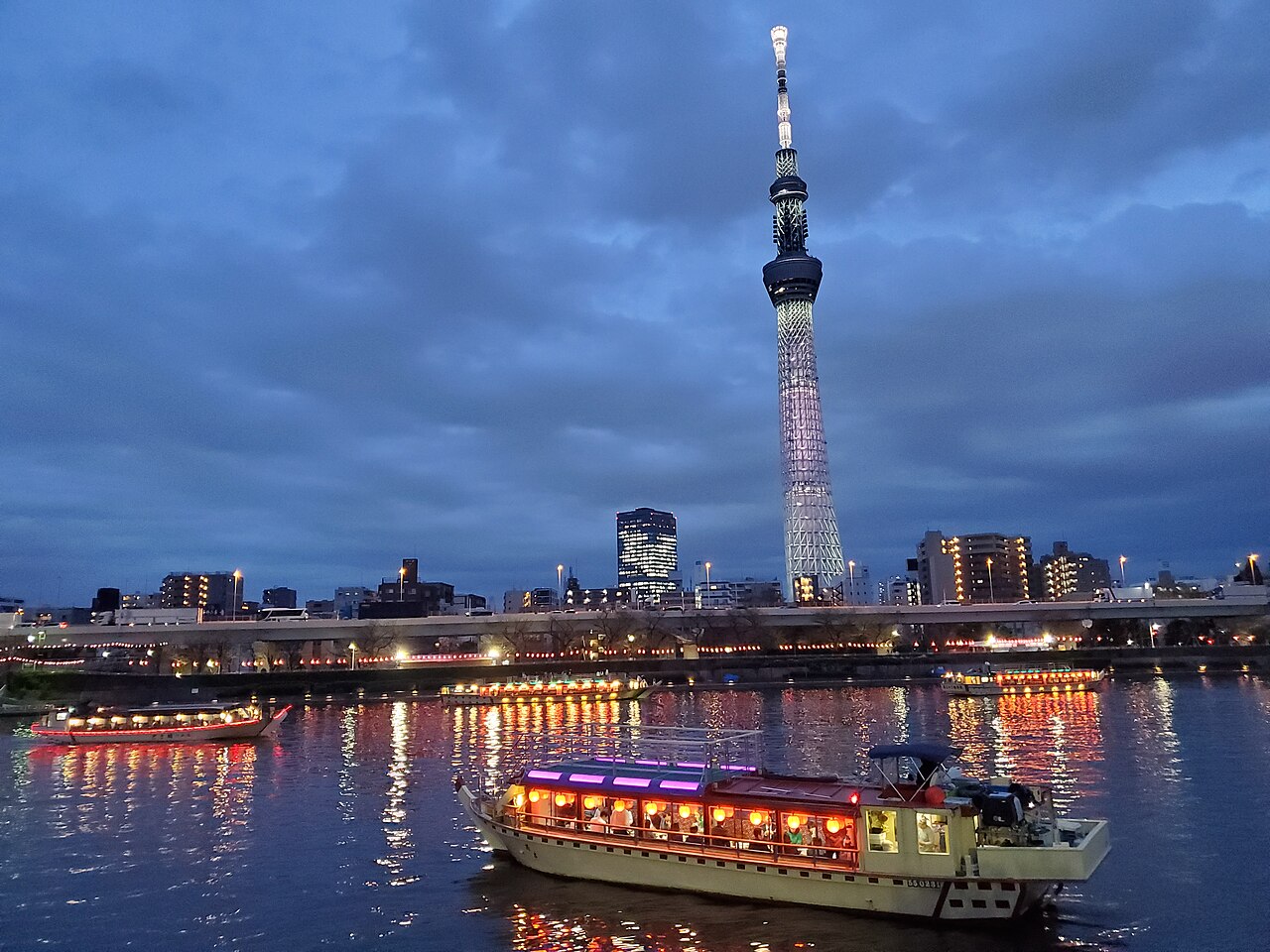
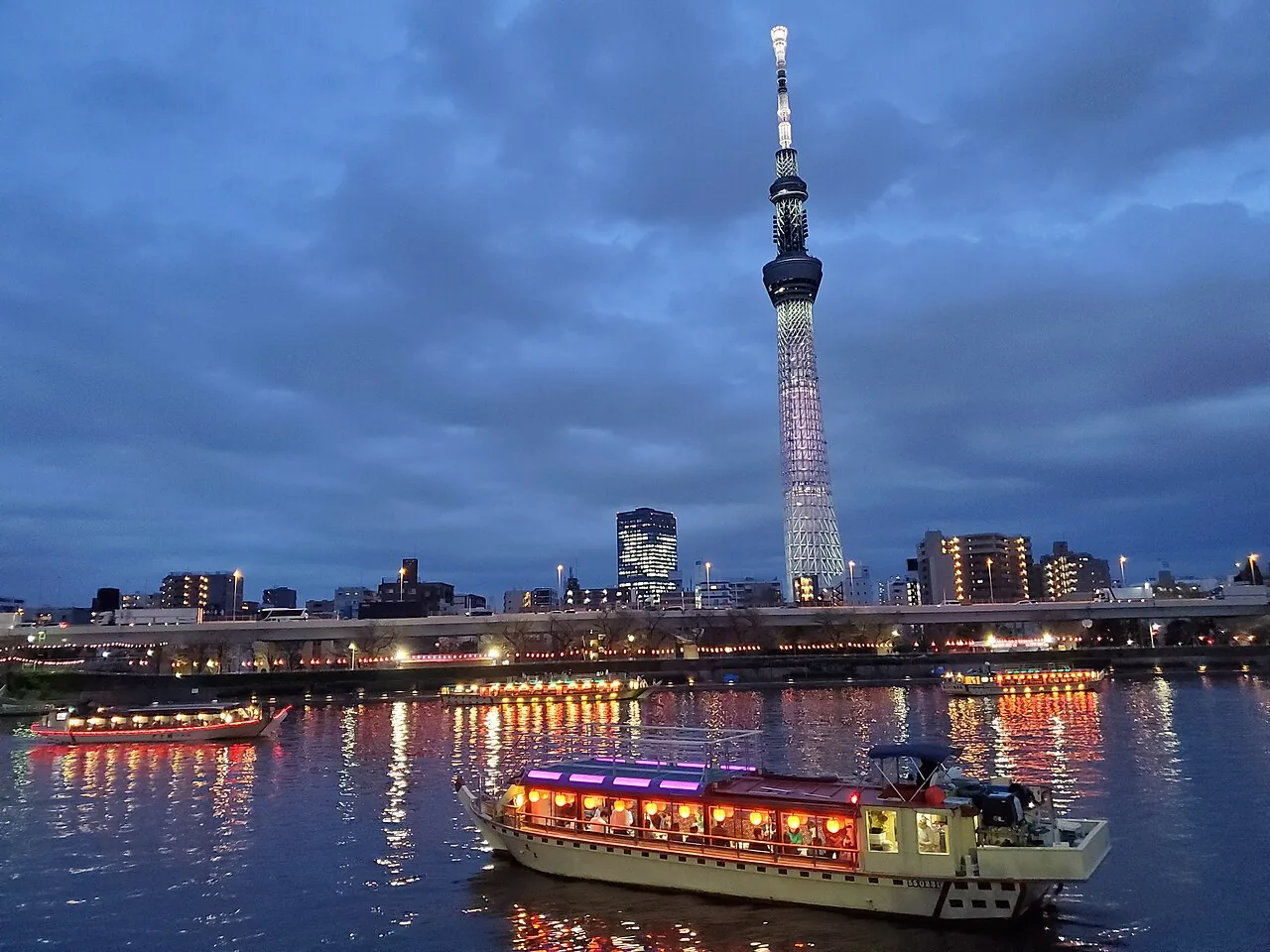
    A yakatabune boat on the Sumida River in Tokyo
    A yakatabune on the Sumida. Photo: Nurg / Wikimedia Commons, CC BY-SA 4.0.

    Fast facts

    • Price: ¥13,800 per adult booked direct (Amitatsu, 2.5 hours); about ¥11,800 through a booking site (1 h 40)
    • Included: Dinner, all-you-can-drink, service and tax
    • Pier: Azumabashi, Asakusa, for the direct booking
    • Booking: English web form, confirmed by email within 3 business days, minimum 2 people
    • Timing: Depart about an hour before sunset; arrive 20 minutes early. October to April for the clearest nights

    What the evening is

    Most yakatabune companies run two products. A chartered boat is the traditional one: a company or a family rents the whole boat for twenty or more people. A shared dinner cruise is the newer one for visitors: you book two or more seats on a scheduled sailing and share the boat with other groups. Everything below is about the shared cruise.

    The standard shared evening is about two and a half hours. Boarding is at a pier on the Sumida, most often Azumabashi pier in Asakusa, a minute from the Asahi building with the gold flame. The boat goes downriver past the bridges and the Skytree, out to the bay, and stops for a while off Odaiba with the Rainbow Bridge lit up, then returns. Dinner is served on board: tempura fried while you sail, sashimi, a seasonal course, and all-you-can-drink beer, sake and soft drinks are included in the standard price.

    Booking direct: about ¥13,800, 2.5 hours

    Amitatsu is a hundred-year-old operator with eight boats and an English booking page. Its “Odaiba Skytree course” on a shared boat is the reference product for this article:

    • Price: ¥13,800 per adult; children 4–12 ¥6,900; under 4 free without a seat or meal. The fee includes boarding, the meal, all-you-can-drink, service and tax.
    • Duration: about 2 hours 30 minutes. Departs and returns at Azumabashi pier, Asakusa (Harumi pier during cherry blossom season).
    • Minimum: two people. Vegetarian menu available if requested when booking.
    • How to book: a web form in English, answered by a person between 10:00 and 17:00; the booking is confirmed only when the confirmation email arrives, usually within three business days. Credit cards accepted.
    • The catch: it is not instant, sailings are on a schedule that changes by season, and you cannot choose which of the eight boats you get.

    Other established companies run similar shared cruises from Asakusa, Yanagibashi and Shinagawa at similar prices; the Tokyo Yakatabune Association lists its members. If you have a week’s notice and can wait for an email, direct is the fuller evening for the money.

    Booking through a site: about ¥11,800, 1 hour 40

    The booking sites sell a shorter version: a 100-minute cruise with dinner, drinks and usually a short performance on board, for around ¥11,800. That is about ¥2,000 less than booking direct, but for an hour less on the water, so per hour on the boat direct is still the better deal. What the booking site adds is instant confirmation, free cancellation to 24 hours before, and English support if something goes wrong. For a trip planned at short notice, or a group that wants to be back by nine, that is the right trade.

    When to go, and when not to

    • Best: a clear evening from October to April, when the air is dry and the bridge lights are sharp. Book a sailing that departs about an hour before sunset so you get the river in daylight, dusk on the bay, and the return in the dark.
    • Cherry blossom (late March to early April): the boats switch to a Sumida River route under the trees. Book weeks ahead; direct operators move their pier for the season.
    • Sumida River Fireworks (late July): the most famous night of the year and by far the most expensive; boats are chartered out months in advance. Do not expect a shared seat.
    • Skip: the rainy season in June and typhoon days in September; a yakatabune in horizontal rain is a tatami room with fogged windows.

    Small things that matter on board

    • You sit on the floor at low tables, usually with a well for your legs. Wear something you can sit cross-legged in.
    • Go up on the roof deck when the boat stops off Odaiba. That half hour is the reason to be there.
    • The all-you-can-drink is real and the boat is not big; pace yourself before the return leg.
    • Arrive at the pier 20 minutes early. Boats leave on time and do not come back for you.

    If you are staying east of the river, Azumabashi pier is fifteen minutes on foot from Daikokuyu, which is open until ten the next morning; a bath after the boat is the local way to end it. For the daytime version of Tokyo’s waterways, the old boat checkpoint on the Onagi River and the ¥100 rowing boats at Yokojukken are the same water, four centuries and ¥13,000 apart. Every other boat you can get on in Tokyo — including the scheduled water bus from Asakusa at ¥1,000, which is the cheapest way to see the same river — is in the water bus and cruises guide.

    Quick answers

    How much does a yakatabune cruise in Tokyo cost?

    A shared dinner cruise booked directly with an operator such as Amitatsu costs about ¥13,800 per adult for 2.5 hours, including a tempura and sashimi dinner and all-you-can-drink. Booking sites sell a shorter 100-minute version with dinner and drinks for around ¥11,800. Children 4–12 pay about half.

    Where do yakatabune boats depart in Tokyo?

    Most shared cruises for visitors depart from Azumabashi pier in Asakusa on the Sumida River, near Asakusa Station. During cherry blossom season some operators move to Harumi pier. Other companies sail from Yanagibashi and Shinagawa.

    Can I book a yakatabune for two people?

    Yes. Shared dinner cruises can be reserved from two people. Chartering a whole boat needs about 20 people on weekdays and 25 on weekends and holidays.

    What is the best season for a yakatabune cruise?

    Clear evenings from October to April give the sharpest views of the Rainbow Bridge and Skytree. Cherry blossom season in late March runs a special river route and sells out weeks ahead. The Sumida River Fireworks in late July are chartered out months in advance.

    Before the boat, or instead of it: the free riverside walk from the Skytree to Senso-ji covers the same water on foot, and ends at the pier the boats leave from.


    Practical notes

    • Direct: Amitatsu shared cruise, ¥13,800 adult, 2.5 h, Azumabashi pier (Asakusa). Book by English web form; confirmed by email within 3 business days. From 2 people.
    • Through a site: the Viator cruises above, ~¥11,800, 1 h 40, instant confirmation, free cancellation.
    • Included: dinner, all-you-can-drink, service, tax. Vegetarian on request when booking direct.
    • Timing: depart about an hour before sunset; arrive 20 minutes early; October–April for the clearest nights.

    LOCAL SIDE JAPAN checked Amitatsu’s shared-cruise price, duration, pier and booking terms on the operator’s English website, and booking-site prices on Viator, on September 14, 2026; Viator prices re-checked September 27, 2026. Prices change by season and exchange rate.

    Related: a yakatabune is the last entry on our list of things to do in Sumida City — the other nine are what to do with the daylight before the boat leaves.

    Written by Kizuku. I run the Sunamachi Ginza Sumo Stable, a sumo experience in Koto City, and I write about the east side of Tokyo I live and work in. More about this site →

  • Tattoo-Friendly Sento on Tokyo’s East Side: Three Baths That Say So in Writing

    Tattoo-Friendly Sento on Tokyo’s East Side: Three Baths That Say So in Writing

    This article contains affiliate links to booking sites. If you book through them, LOCAL SIDE JAPAN earns a small commission at no extra cost to you. Every bathhouse listed here can be visited on your own for ¥600; the tours are optional. How this site is made →

    TOKYO / SUMIDA & TAITO / SENTO

    Most guides to “tattoo-friendly onsen in Tokyo” send you to a hotel spa in Shinjuku or a resort bath by the bay. That is the wrong answer to the wrong question. The right question is: where can a person with tattoos take a proper Japanese bath, in a neighborhood, for the price of a coffee? The answer is a sento, the public bathhouse, and the east side of Tokyo has the best ones in the city, several of which have written “tattoos welcome” on their own websites.

    Since August 1, 2026, the fixed adult price at every sento in Tokyo is ¥600. Children are ¥200. Here is how it works, and three baths east of the river that will not look twice at your arms.

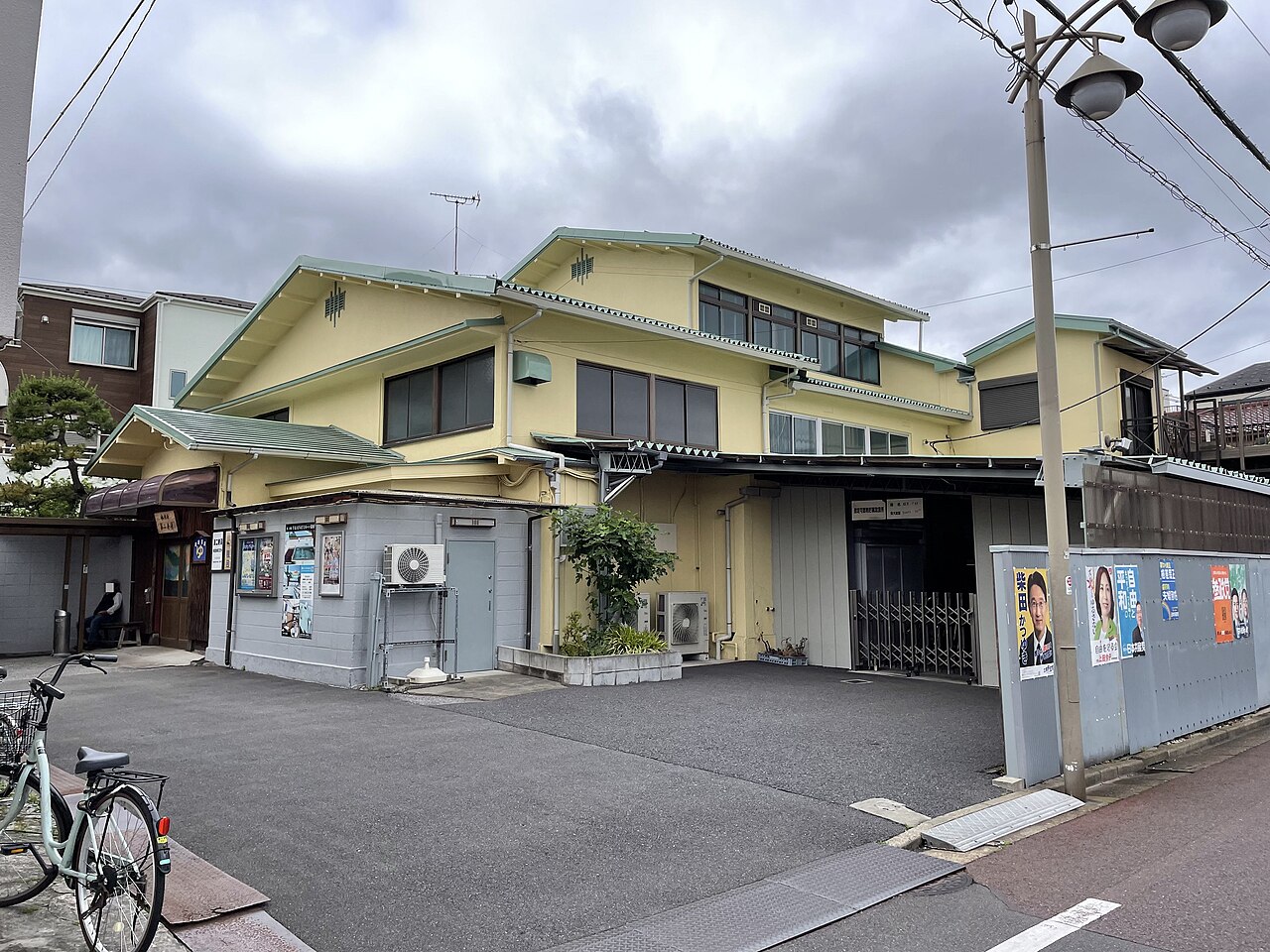
    The front of a neighborhood sento bathhouse in Edogawa, Tokyo
    A neighborhood sento on the east side. Photo: Higa4 / Wikimedia Commons, CC0.

    Sento, onsen, and why the tattoo rule is different

    An onsen is a bath fed by a natural hot spring; a sento is a bath fed by a boiler. The bathing is the same. The difference that matters to you is legal and cultural: sento are regulated as public hygiene facilities with a price fixed by the prefecture, and they grew up serving working neighborhoods where nobody had a bathtub at home. A tattoo in a sento in Sumida is a much smaller event than a tattoo in a resort onsen in Hakone. Many sento simply never had a rule. The ones below have gone further and said so in public.

    Three baths that say it on their own website

    Koganeyu (黄金湯), Kinshicho, Sumida

    A 1930s bathhouse rebuilt in 2020 by a couple who also run two other baths and a brewery, with a DJ booth and a beer tap at the front desk, a bathing hall behind, and one of the more serious saunas in east Tokyo behind that. Its FAQ answers the tattoo question in three words: you can bathe. Six minutes from the north exit of Kinshicho Station.

    • Hours: 6:00–9:00 and 11:00–24:30 every day. Closed the 2nd and 4th Monday. Wednesday is the swap day (men’s and women’s sides switch).
    • Price: ¥600 for 90 minutes. Sauna extra: women ¥350–400, men ¥550–600 for two hours (walk-in or web reservation; it fills on weekends). Towel set ¥200. Shampoo, soap and dryers free.
    • Pay: cash or PayPay for the bath; cards accepted at the bar.
    • Also: dormitory rooms upstairs if you want to sleep at a bathhouse, and their own craft beer after.

    Daikokuyu (大黒湯), Oshiage, Sumida

    Koganeyu’s older sister, founded 1949, six minutes from Oshiage Station and ten from the base of Skytree. A real hot-spring source (the water is mildly alkaline), a large rooftop outdoor bath from which you can see the tower, a painted Fuji on the wall, and the first sento in the 23 wards to run all night. If you land late and want a bath before a bed, this is the one.

    • Hours: weekdays 15:00 to 10:00 the next morning; Saturday from 14:00; Sunday and holidays from 13:00. Closed Tuesday (open if Tuesday is a holiday, then closed Wednesday).
    • Price: ¥600; sauna and late-night surcharges apply, check the board.
    • Tattoos: same owners, same policy as Koganeyu; widely and repeatedly confirmed by visitors with visible work.

    Kotobuki-yu (寿湯), Higashi-Ueno, Taito

    The old-school option. A temple-roofed miya-zukuri bathhouse two minutes from Inaricho Station on the Ginza Line, one stop from Ueno, with what it claims is the largest outdoor bath of any sento in Tokyo on the men’s side, an electric bath (a mild current through the water; try it once), and a different themed bath almost every day of the month. No design studio touched it. Tattooed regulars have been bathing here for years and the staff do not react.

    • Where: 5-4-17 Higashi-Ueno, Taito. Inaricho Station, 2 minutes.
    • Price: ¥600. Check the monthly holiday calendar on the door or the website before you go; the rest day moves.

    How to not embarrass yourself (it is easy)

    1. Shoes go in the locker at the entrance. Take the wooden key.
    2. Pay at the front desk (¥600, cash is safest). Say “sauna” if you want it. Buy or bring a small towel; you carry it in, you do not put it in the bath.
    3. Undress completely in the changing room. Everything in the locker. There is no swimwear in a sento, ever.
    4. Sit at a tap, wash your whole body with soap, rinse. Then get in. This is the one rule everyone will notice if you skip it.
    5. Hair up or out of the water. Voices low. No phones past the changing room, no photos anywhere inside.
    6. Wring your towel out and pat yourself down before walking back into the changing room, so you do not drip on the mats.
    7. Drink something cold on the way out. That is the entire point.

    If you want someone to walk you in

    You do not need a tour for any of the above. But the first time in a sento, with the shoe locker and the ticket machine and the etiquette, is the one that stops people going at all, and a guided first visit fixes that permanently. Two that are honest about being for tattooed guests:

    After one guided visit, you will never need another. Go to Koganeyu on your own the next night.

    Make it an evening

    Koganeyu and Daikokuyu are fifteen minutes’ walk apart, either side of the Edo Kiriko museum in Kinshicho. Cut a glass in the afternoon, bathe at six, drink the house beer at Koganeyu, and if you are still awake, Daikokuyu’s rooftop bath is open until ten the next morning. That is a Sumida day nobody sells as a package, and it costs about ¥6,000 including the glass.

    Tattoo-friendly baths near Asakusa

    Two more, for people staying in Asakusa who do not want to cross the river. Both are listed as tattoo-friendly on the Japanese bath directories; neither prints a policy on its own site, so if you are heavily inked, a polite question at the counter costs nothing.

    • Hinode-yu, Moto-Asakusa: a natural hot-spring sento on the ground floor of an apartment block, three minutes from Inaricho Station on the Ginza line and fifteen on foot from Senso-ji. Ancient-cypress tub, steam sauna, a ¥100 carbonated shower, and a small café at the front desk. 14:00 to 22:40, closed Wednesdays. ¥600.
    • Mikokuyu, Ishihara (Sumida): the best bath within walking distance of Asakusa, eight minutes over the Kuramae bridge. Five floors of black natural hot spring with a rooftop open-air bath that looks straight at the Skytree, a different medicinal bath each day, and a reputation for being easy for foreigners and for tattoos. 15:30 to 2:00, closed Mondays (Tuesday if Monday is a holiday). ¥600.

    Private baths, and bathing as a couple

    Every sento on this page is separated by sex at the changing-room door; there is no mixed bathing and no swimwear. If you want to bathe together, you need a private bath, and on the east side the honest answer is that there are very few. Mikokuyu has one, a “welfare-type family bath” with rails and a lift, ¥1,500 per person for 90 minutes, reservation required, and it is meant for people who need help bathing and their carers; do not book it as a date. Daikokuyu’s rooftop has a small open-air tub for one that is not bookable. Beyond that, a private bath in this part of Tokyo means a hotel room with one, or the private sauna rooms that have opened around Sumida and Ginza at ¥5,000 to ¥30,000 an hour, which allow tattoos because nobody else is there. For a couple with tattoos, the practical plan is: go to the same sento at the same time, meet in the lobby afterwards with a bottle of milk, and walk to Mikokuyu’s rooftop on a different night for the view. If you would rather someone else had the conversation at the counter, there is now a guided tattoo-friendly bathhouse and ramen evening that meets at Kinshicho and ends at Daikokuyu, listed in the ramen classes and tours comparison — about ¥9,000 for what you can do yourself for ¥1,500.

    Quick answers

    Are there tattoo-friendly bathhouses in Tokyo?

    Yes. On the east side, Koganeyu in Kinshicho states on its own website that guests with tattoos may bathe; its sister bath Daikokuyu in Oshiage has the same owners and policy; Kotobuki-yu in Higashi-Ueno has long admitted tattooed bathers. All are sento, the public bathhouses, and cost ¥600.

    How much does a sento in Tokyo cost?

    Since August 1, 2026 the fixed adult price at every sento in Tokyo is ¥600. Children aged 6 to 11 pay ¥200 and under-6s ¥100. Saunas are extra, typically ¥350 to ¥600.

    What are Koganeyu’s opening hours?

    Koganeyu (Taihei 4-14-6, Sumida City, six minutes from Kinshicho Station north exit) is open 6:00–9:00 and 11:00–24:30 every day, closed on the second and fourth Monday. Entry is ¥600 for 90 minutes; sauna is ¥350–600 extra.

    What is the etiquette at a Japanese sento?

    Shoes in the entrance locker, pay at the front desk, undress completely (no swimwear), wash thoroughly at a tap before entering any bath, keep your towel and hair out of the water, no phones or photos inside, and dry off before returning to the changing room.

    Further north, Takara-yu in Kita-Senju has the best bathhouse garden in Tokyo; it does not publish a tattoo policy, so it is not on this list, but it is worth knowing about.


    Practical notes

    • Price: ¥600 adults, ¥200 children (6–11), ¥100 under 6, fixed across Tokyo since August 1, 2026. Sauna is extra.
    • Bring: a small towel (or buy one for ¥200–300), coins, nothing else. Soap and shampoo are usually provided at the baths above; at older sento, bring your own.
    • Tattoos: Koganeyu states it in writing; Daikokuyu is the same owners; Kotobuki-yu is long established as tattoo-tolerant. Elsewhere, look for a sign at the door; no sign usually means no rule.
    • Do not: wear swimwear, get in without washing, put your towel in the water, take a phone into the bathing hall, or bathe drunk (Koganeyu will turn you away).

    LOCAL SIDE JAPAN checked prices, hours and tattoo policies against the bathhouses’ own websites (Koganeyu, Daikokuyu, Kotobuki-yu) and the Tokyo Metropolitan Government’s August 2026 price notice on September 14, 2026. Rest days and sauna surcharges change monthly; check the door.

    Written by Kizuku. I run the Sunamachi Ginza Sumo Stable, a sumo experience in Koto City, and I write about the east side of Tokyo I live and work in. More about this site →

    If the etiquette section above still feels like an exam, the long version, with the rules on the wall set against the rules people actually follow, is Sento Etiquette: The Written Rules, the Real Rules.

  • Edo Kiriko: What It Is, Where to Buy It in Tokyo, and the ¥4,400 Way to Cut Your Own

    Edo Kiriko: What It Is, Where to Buy It in Tokyo, and the ¥4,400 Way to Cut Your Own

    This article contains affiliate links to booking sites. If you book through them, LOCAL SIDE JAPAN earns a small commission at no extra cost to you. The cheapest way to try Edo Kiriko is described first, and it is not an affiliate link. How this site is made →

    TOKYO / SUMIDA CITY / KINSHICHO

    Edo Kiriko is cut glass: a clear or colored glass with a pattern ground into it on a spinning wheel, one line at a time, by someone who has been doing it for decades. It started in 1834 in a glass shop near Nihonbashi, survived the move east across the river when the city’s workshops did, and is still made almost entirely in Sumida and Koto, in small buildings that look like nothing from the street.

    You can spend ¥4,400 to try it, or ¥21,000. Both are 90 minutes, both end with a glass you cut yourself. Here is the difference, and where the workshops actually are.

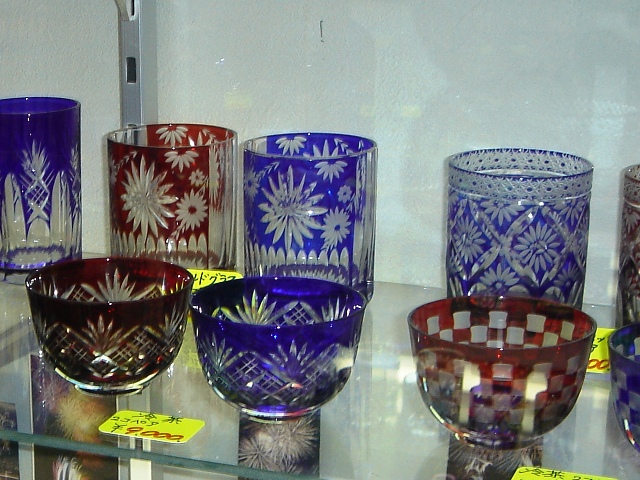
    Edo Kiriko cut glass with a traditional pattern
    Edo Kiriko: the pattern is cut, not painted. Photo: Wikimedia Commons, public domain.

    What you are actually looking at

    Pick up a piece and turn it. The pattern is not on the surface; it is cut into it, and the cuts catch light from inside the glass. The classic motifs have names: nanako (fish roe, a field of tiny squares), kiku (chrysanthemum), asa-no-ha (hemp leaf), yarai (bamboo fence). A colored piece is two layers, a thin skin of blue or red over clear glass, and every cut exposes the clear beneath, which is why the lines glow white.

    Real Edo Kiriko carries the mark of the Tokyo Cut Glass Industrial Cooperative, and the craft is nationally designated. A rocks glass from a good workshop is ¥10,000 to ¥30,000. The ¥1,500 “kiriko-style” tumblers in Asakusa souvenir shops are pressed in a mold; there is nothing wrong with them, but they are not this.

    What Edo Kiriko is, in five minutes

    Edo Kiriko is cut glass made in Tokyo: a clear glass blank with a thin skin of colored glass on the outside, usually ruby red or lapis blue, into which a craftsman cuts patterns on a spinning wheel until the clear glass shows through in lines. The tradition dates from 1834, when a glass wholesaler called Kagaya Kyubei in Edo began cutting glass with emery, and it survived because the city’s wholesalers kept buying it; it was named a Tokyo traditional craft in 1985 and a national one in 2002. The patterns are the vocabulary: nanako (fish roe, a field of small crosses), kiku-tsunagi (linked chrysanthemums), asa-no-ha (hemp leaf, the six-pointed star), yarai (bamboo fence), and a dozen more, mostly worked from a single grid the cutter draws on the glass by hand. The other famous cut glass, Satsuma Kiriko from Kagoshima, has a thicker colored layer that shades from color to clear; Edo Kiriko is thinner, sharper and cheaper, and it is the one made in the ward this site is written from.

    Where to buy Edo Kiriko in Tokyo, and what it costs

    • Prices, roughly: a small sake cup (guinomi) from about ¥5,000; a rocks or whisky glass, the thing most visitors want, ¥10,000 to ¥30,000 depending on the pattern density and whether a named cutter made it; a pair in a box ¥30,000 and up; exhibition pieces well over ¥100,000. Anything under ¥3,000 sold as “Edo Kiriko” is machine-pressed or imported; real pieces carry the Edo Kiriko Cooperative’s sticker and a maker’s name.
    • The Sumida Edo Kiriko Museum shop (Hirota Glass, Kinshicho), the same place as the workshop below: a full range from one maker at maker’s prices, with the cutters working in the back. Tax-free with a passport.
    • The Edo Kiriko Cooperative’s own shop in Kameido, a station east: work from many member workshops in one room, the widest choice of patterns and prices in the city, and staff who will tell you who cut what.
    • Tokyo Solamachi at the Skytree and the big department stores (Nihonbashi Mitsukoshi, Ginza) for a boxed gift in a hurry, at a mark-up, with English.
    • Carrying it home: the shops box it well; it goes in hand baggage, not the hold. A whisky glass weighs about 300 grams.

    The ¥4,400 version: go to the source

    The Sumida Edo Kiriko Museum (すみだ江戸切子館) is a working studio and shop run by Hirota Glass, a company that has been making glass in this part of Tokyo since 1899. It is seven minutes’ walk from the north exit of Kinshicho Station, on an ordinary street, and it is certified by Sumida City as one of the ward’s small “museums” of local industry.

    • Hours: 10:00 to 18:00. Closed Sunday and Monday.
    • Workshop: 90 minutes, three sessions a day (10:30, 13:00, 15:00), reservation required, small groups.
    • Price: ¥4,000 plus tax for adults (¥4,400), ¥1,100 for children from about age 10. You cut a pattern into a glass and take it home.
    • Language: Japanese first. The staff manage with gestures and short English, and cutting glass does not need much vocabulary; you watch, then you copy.

    Book by phone or through their website, in Japanese. If that is a barrier, the front desk of any hotel in Tokyo will make the call in two minutes. The shop upstairs is the best place on the east side to buy a real piece, because the people who cut it are downstairs.

    The ¥21,000 version: what the extra money buys

    The booking sites sell a 90-minute Edo Kiriko workshop in Sumida for around US$140 to ¥22,000 per person. I want to be clear about what that is: an English-speaking host, a group capped at four, a reservation you can make in thirty seconds in your own language, free cancellation to 24 hours before, and a studio where the artisans are working while you cut. The glass-cutting itself is the same activity.

    That is worth ¥17,000 to some people and not to others. If you do not read Japanese, are traveling with children, or have one afternoon and cannot risk a phone call going wrong, it is a reasonable purchase. If you are comfortable being the only foreigner in a room and following by watching, go direct.

    There is also a cheaper “sand-carved glass” class in Tokyo for around ¥8,000. Sandblasting through a stencil is a different technique, easier, and produces a frosted design rather than a cut one. It is fine for a rainy afternoon; it is not Edo Kiriko, and the listing should not call it that.

    Where the workshops are, if you want to see one

    Most Edo Kiriko is cut within two kilometers of Kinshicho and Kameido, in Sumida and Koto. Some workshops have a small shop at the front and will let you watch through a doorway; most do not take visitors and should not be knocked on. The cooperative’s website lists member studios and which ones sell direct. A polite rule: buy something if you go in, and do not photograph the cutters without asking.

    Sumida City runs a program of these tiny industry museums (the Edo Kiriko one is the best-known), and it is a good way to see the ward for what it is: a place that still makes things. From Kinshicho it is one stop to Ryogoku, and a twenty-minute walk north to Kyojima and the Kirakira Tachibana shopping street, which is the same idea in food.

    Related: Tattoo-friendly sento on the east side: Koganeyu and Daikokuyu are a short walk from here. Cutting your own glass is number two on our list of what to do in Sumida City.

    Quick answers

    What is Edo Kiriko?

    Edo Kiriko is Tokyo’s traditional cut glass: a pattern ground into clear or colored glass on a spinning wheel by hand. It started in 1834 near Nihonbashi and is now made almost entirely in Sumida and Koto wards. Real pieces carry the Tokyo Cut Glass Industrial Cooperative mark.

    Where can I try Edo Kiriko glass cutting in Tokyo?

    At the Sumida Edo Kiriko Museum (Sumida Edo Kiriko Kan), seven minutes from the north exit of Kinshicho Station, run by Hirota Glass. The 90-minute workshop costs ¥4,400 for adults, runs three times a day, and needs a reservation. Closed Sunday and Monday.

    How much does an Edo Kiriko workshop cost?

    ¥4,400 per adult booked directly with the Sumida Edo Kiriko Museum in Japanese, or about US$143 to ¥22,000 per person for an English-language workshop through GetYourGuide or Viator, which adds an English host, a group of four and free cancellation.

    How much does real Edo Kiriko glass cost?

    A hand-cut rocks glass from a good workshop is ¥10,000 to ¥30,000. Tumblers sold for around ¥1,500 in souvenir shops are pressed in a mold and are not cut glass.

    What is Edo Kiriko?

    Cut glass made in Tokyo since 1834: a clear glass blank with a thin colored outer layer, usually red or blue, into which patterns such as fish roe, hemp leaf and chrysanthemum are cut on a wheel so the clear glass shows through. It is a designated national traditional craft, made mainly in Sumida and Koto.

    How much does Edo Kiriko cost and where can I buy it?

    A sake cup from about ¥5,000, a whisky or rocks glass ¥10,000 to ¥30,000, boxed pairs from ¥30,000. Buy at the Sumida Edo Kiriko Museum shop in Kinshicho, the Edo Kiriko Cooperative shop in Kameido, or Solamachi and department stores at a mark-up. Real pieces carry the cooperative’s sticker.

    Two stops south on the Oedo line is Kiyosumi-Shirakawa, the coffee-roaster district with a ¥150 garden and a rebuilt Edo street; it pairs well with a morning workshop here.


    Practical notes

    • Direct: Sumida Edo Kiriko Museum, 7 min from Kinshicho Station north exit. 10:00–18:00, closed Sun and Mon. Workshop ¥4,400 adults, 90 min, three sessions a day, reservation required (Japanese).
    • Booked in English: the GetYourGuide or Viator workshop above, about US$143 / ¥22,000, max 4 people, free cancellation.
    • Buying: ¥10,000–30,000 for a real cut rocks glass; look for the cooperative’s mark. Glass goes in checked luggage, wrapped by the shop.
    • Kids: the direct workshop takes children from around age 10; the booked one gives younger children a lidded container instead of a glass.

    LOCAL SIDE JAPAN checked the museum’s hours, session times and workshop prices against Sumida City’s small-museum listings and the museum’s own information, and booking-site prices against GetYourGuide and Viator, on September 14, 2026. Booking-site prices move with the exchange rate.

    Written by Kizuku. I run the Sunamachi Ginza Sumo Stable, a sumo experience in Koto City, and I write about the east side of Tokyo I live and work in. More about this site →

    If the craft you want is kintsugi rather than glass, there is none on the east side yet; the city’s workshops, area by area, are in Kintsugi Workshops in Tokyo by Area.

  • A Sumo Seat in Tokyo Costs ¥3,500. Here Is How to Actually Get One.

    A Sumo Seat in Tokyo Costs ¥3,500. Here Is How to Actually Get One.

    This article contains affiliate links to booking sites. If you book through them, LOCAL SIDE JAPAN earns a small commission at no extra cost to you. The official ticket route is described first and costs nothing extra. How this site is made →

    TOKYO / SUMIDA CITY / RYOGOKU

    A chair seat at a Grand Sumo tournament in Tokyo costs ¥3,500 from the official seller. The same afternoon, bought as a guided package, costs ¥25,000 to ¥40,000. Both are legitimate. Most guides only tell you about the second one, because that is where the commission is.

    I run a sumo experience a few stations east of the Kokugikan, so I get this question every week. Here is the honest version: when the tournaments are, how to buy the cheap seat yourself, what a day inside actually looks like, and when it makes sense to pay someone to handle it.

    Inside Ryogoku Kokugikan during a Grand Sumo tournament, looking down at the ring from the upper seats
    The Kokugikan from the chair seats. Photo: Gregg Tavares / Wikimedia Commons, CC BY 2.0.

    When sumo is actually in Tokyo

    There are six Grand Sumo tournaments a year, each 15 days long. Only three are in Tokyo, at the Ryogoku Kokugikan in Sumida City. The other three are in Osaka, Nagoya and Fukuoka. If your trip does not overlap with a Tokyo tournament, skip to the “no tournament” section below; nothing you pay for will change the calendar.

    TournamentDatesVenueOfficial tickets on sale from
    September 2026Sep 13 – Sep 27, 2026Kokugikan, TokyoAug 8, 2026 (on sale now)
    November 2026Nov 8 – Nov 22, 2026FukuokaSep 19, 2026
    January 2027Jan 10 – Jan 24, 2027Kokugikan, TokyoDec 5, 2026
    March 2027Mar 14 – Mar 28, 2027OsakaFeb 6, 2027
    May 2027May 9 – May 23, 2027Kokugikan, TokyoApr 10, 2027
    July 2027Jul 11 – Jul 25, 2027NagoyaMay 15, 2027
    September 2027Sep 12 – Sep 26, 2027Kokugikan, TokyoAug 7, 2027
    Source: Nihon Sumo Kyokai official tournament schedule. Sale dates are for general advance sales.

    The pattern is simple: Tokyo in January, May and September. Tickets go on sale roughly five weeks before day one. Weekends and the final two days sell out first; a weekday in the first week is the easiest ticket in sumo.

    The official route: buy the ticket yourself

    The Sumo Association sells tickets in English through Ticket Pia at sumo.pia.jp/en. Credit card only, first come first served, and seat numbers inside your category are assigned by draw. Purchases cannot be changed or cancelled for any reason, which is the one rule that catches people out.

    Prices for the September 2026 Tokyo tournament, including tax:

    SeatWeekdayWeekend / holidayWhat it is
    Chair Seat C¥3,500¥4,000Upper tier, back rows. You see everything; the wrestlers are small.
    Chair Seat B¥5,000¥5,500Upper tier, middle rows. The sensible choice.
    Chair Seat A¥8,000¥8,500Upper tier, front rows.
    Chair Seat S¥9,000¥9,500Best of the chairs, closest to the ring.
    Box Seat C (4 people)¥34,000¥38,000Lower tier, floor cushions in a small square. Shoes off. Tight for four Western adults.
    Box Seat S (4 people)¥56,000¥60,000Same format, closest boxes.
    Ringside (tamari)¥20,000¥20,000Floor level. Not sold on the English site; Japanese-language sales only.
    Source: sumo.pia.jp English ticket page, September 2026 tournament. Box prices are per box, not per person.

    Two costs the price table does not show. There is a ¥2,000 service fee per ticket, and tickets bought on the English site are printed at a Seven-Eleven in Japan. You cannot print at home, and you cannot collect at the arena. Any 7-Eleven will do, and the multi-function copier has an English menu, but plan to do it the day before, not on the way to the match.

    So a real weekday visit for two people on Chair B comes to ¥14,000 including fees. That is the number to compare against everything below.

    What a tournament day looks like

    Your ticket is valid for the whole day, and the day is long. Doors open around 8:00. The lowest divisions wrestle in front of a nearly empty hall through the morning. The building fills from about 14:00, when the second-highest division, juryo, enters the ring in ceremonial aprons. The top division, makuuchi, does its own ring-entering ceremony just before 16:00, the yokozuna perform theirs separately, and then the bouts that matter run until the last one at 18:00.

    If you arrive at 14:00 you see four hours of the good part and skip four hours of the quiet part. If you arrive at 16:30 you have missed the ceremonies, which is a mistake; they are the most photogenic ten minutes of the day.

    Bring cash for food. There are chanko stalls and bento inside, and you are allowed to bring your own food and drink. The Kokugikan is a two-minute walk from JR Ryogoku Station (West Exit) and about five minutes from Ryogoku on the Toei Oedo Line.

    When a guided tournament package is worth it

    The booking sites sell “sumo tournament tours”: a guide meets you, walks you to the Kokugikan, gives you a seat that was bought in bulk, and explains what is happening. They cost roughly three to five times the raw ticket. That premium buys three things, and you should pay it only if you want at least two of them:

    • A seat when the official site is sold out. Operators hold allocations. For a weekend or the final days, this is often the only way in.
    • Free cancellation. The official ticket has none. Most packages can be cancelled up to 24 hours ahead.
    • Someone explaining the ritual. Sumo rewards knowing what you are looking at. A good guide turns the salt-throwing and the staring into a story; without one, the first hour can feel like a lot of standing around.

    The three I would point a friend to, in order of how the seat quality compares to the price:

    Check the seat category before you book. “Chair seat” is honest. “Premium” or “S seat” packages at ¥40,000 and up are paying for a ¥9,000 ticket plus a guide; decide whether the guide is worth ¥30,000 to you.

    No tournament during your trip? Two real options and one staged one

    Morning practice at a stable

    Wrestlers train most mornings when there is no tournament, and some stables admit small groups to sit at the edge of the practice ring. It is silent, repetitive, sweaty, and the closest most visitors will ever get to a real rikishi. You cannot walk in; access is arranged through operators with a relationship to the stable, and the rules are strict (no talking, no flash, no leaving mid-session).

    A hands-on session with former wrestlers

    This is the part where I declare an interest. I run the Sunamachi Ginza Sumo Stable in Koto City: former professional wrestlers, a real ring, you get in it, and chanko afterwards on a shopping street that tourists have not found yet. I am not going to review my own business here. It exists, it is on the east side, and it is the reason I know the rest of this article.

    A young guest gripping a wrestler’s mawashi on the dohyo at the Sunamachi Ginza Sumo Stable, with the stable banner behind
    A room-sized ring, next to the 11,000-seat Kokugikan above: a guest with a grip on the mawashi at the stable I run in Koto City. I am declaring the interest rather than reviewing it. Photo: LOCAL SIDE JAPAN.

    The sumo “shows”

    Shibuya, Shinjuku, Ginza and Asakusa all now have 90-minute sumo shows: retired wrestlers, a demonstration, an audience member pulled into the ring, a photo, sometimes a chanko bowl. They are staged entertainment, not sport, and the operators are upfront about that. If you have one evening and no tournament, they are fun. Just do not confuse them with the Kokugikan.

    Make a day of Ryogoku

    The Kokugikan sits in Ryogoku, on the Sumida side of the river, and the neighborhood is the sumo district: stables behind ordinary house fronts, chanko restaurants run by retired wrestlers, and the occasional rikishi in a yukata on a bicycle. Come early, eat chanko for lunch on the street behind the station, walk the riverbank, then go in at 14:00. From Ryogoku it is fifteen minutes by train to Sunamachi Ginza and the ¥100 boat park if you want the rest of the east side afterwards.

    If your dates miss a tournament, the two other kinds of sumo, morning practice at a stable and the retired-wrestler shows, are compared by area in Sumo in Tokyo: Morning Practice vs Sumo Show vs the Tournament. Three minutes from the same station is the Japanese Sword Museum, ¥1,000, which is where that guide to samurai and ninja experiences starts.

    Quick answers

    How much does a sumo ticket in Tokyo cost?

    From the official seller (sumo.pia.jp), a Chair Seat C at the Ryogoku Kokugikan is ¥3,500 on weekdays and ¥4,000 on weekends for the September 2026 tournament, plus a ¥2,000 service fee per ticket. Box seats for four start at ¥34,000. Guided packages on booking sites cost roughly ¥25,000 to ¥40,000 per person.

    When are the sumo tournaments in Tokyo in 2026 and 2027?

    Tokyo tournaments are held at the Ryogoku Kokugikan in January, May and September: September 13–27, 2026; January 10–24, 2027; May 9–23, 2027; September 12–26, 2027. Official tickets go on sale about five weeks before day one.

    What time should I arrive at a sumo tournament?

    Arrive around 14:00. Doors open at about 8:00, but the top two divisions enter the ring from about 14:15 and the final bouts end at 18:00. Arriving at 14:00 gives you the ceremonies and the best four hours.

    How do I collect official sumo tickets bought online?

    Tickets bought on the English site (sumo.pia.jp/en) are printed at a Seven-Eleven in Japan using the confirmation code. They cannot be printed at home or collected at the arena, and purchases cannot be changed or refunded.

    Tomioka Hachimangu, the shrine where Edo’s first professional sumo tournaments were held, is a free stop on the Kiyosumi-Shirakawa morning, across the river from the Kokugikan.


    Practical notes

    • Official tickets: sumo.pia.jp/en. Credit card only. No changes, no refunds. ¥2,000 fee per ticket. Print at any 7-Eleven in Japan.
    • Best value: Chair Seat B on a weekday in the first week, ¥5,000 plus fee.
    • Arrive: 14:00 for the juryo ring-entering ceremony. Bouts end at 18:00.
    • Access: JR Ryogoku Station (West Exit), 2 minutes. Toei Oedo Line Ryogoku, about 5 minutes.
    • Sold out or want a guide: the GetYourGuide, Viator and Klook packages above; expect ¥25,000 to ¥40,000 per person for chair seats with a guide.
    • Etiquette inside: no flash during bouts, stay seated during the final bouts, and do not throw your cushion, whatever the crowd around you does when a yokozuna loses.

    LOCAL SIDE JAPAN checked tournament dates against the Nihon Sumo Kyokai official schedule and ticket prices against the sumo.pia.jp English sales page on September 14, 2026. Prices are for the September 2026 tournament and may change for later tournaments. Package prices on booking sites vary by date and are quoted as a range.

    Related: the Kokugikan is in Sumida City, and a tournament day leaves half the day free. Things to do in Sumida around the sumo — the free Sumo Museum is in the same building.

    Related: if your trip misses January, May and September, the alternatives are not interchangeable. We compared all nine Tokyo sumo experiences on whether you actually get in the ring — at three of them it is decided by lottery — what you wear, how close you sit and what you eat.

    Written by Kizuku. I run the Sunamachi Ginza Sumo Stable, a sumo experience in Koto City, and I write about the east side of Tokyo I live and work in. More about this site →

  • Tokyo Built a 1.2-Kilometer Apartment Wall to Stop Fire.

    Tokyo Built a 1.2-Kilometer Apartment Wall to Stop Fire.

    This article may contain affiliate links to booking sites. If you book through them, LOCAL SIDE JAPAN earns a small commission at no extra cost to you. How this site is made →

    TOKYO / SUMIDA / DISASTER ARCHITECTURE

    Tokyo built a 1.2-kilometer wall to stop the city from burning.

    Then it put nearly 1,900 apartments inside it.

    Along a quiet road in northern Sumida, 18 connected residential blocks stretch beside the Sumida River. Families live here. Children go to school here. There are shops, a nursery and bicycles parked below the balconies.

    But look closer. Steel shutters hang between the buildings. Water cannons point toward the street. Unusually deep balconies form defensive ledges. Emergency gates can seal the openings.

    This is the Shirahige-Higashi apartment complex: a residential neighborhood designed to transform into a giant firewall when Tokyo burns.

    The long connected Shirahige-Higashi apartment blocks in Sumida Tokyo
    A section of the connected residential wall in Sumida. Photo: Kamemaru2000 / Wikimedia Commons, CC BY-SA 3.0.

    The apartments are supposed to become a wall

    From a distance, Shirahige-Higashi looks like an exceptionally long piece of 1980s public housing.

    That is accurate, but incomplete.

    The buildings stand about 40 meters high and continue for roughly 1.2 kilometers. They were positioned between an area once crowded with wooden houses and the open evacuation ground of Higashi-Shirahige Park.

    If a major earthquake starts fires in the surrounding streets, the complex is meant to shield people gathering in the park from flames, radiant heat and burning debris carried by the wind.

    Residents do not evacuate from the firewall.

    They live inside it.

    Why eastern Tokyo feared fire

    Tokyo’s disaster planning cannot be understood by thinking only about buildings collapsing.

    The city has repeatedly been destroyed by fire.

    After the 1923 Great Kanto Earthquake, tens of thousands of people fled to the open ground of the former Army Clothing Depot in what is now Sumida. They believed the empty site would protect them. Instead, fire approached from several directions. A fire whirl swept through the crowd, producing the earthquake’s deadliest single tragedy.

    Later, the 1945 firebombing again demonstrated how rapidly flames could move through Tokyo’s tightly packed wooden neighborhoods.

    The lesson was brutal: an open evacuation space is not safe if heat and fire can enter it.

    A Cold War-scale plan for an urban fire

    In 1969, the Tokyo Metropolitan Government developed a plan for six large disaster-prevention bases across the low-lying Koto Delta.

    The concept was larger than building a few evacuation parks. Each base would combine open refuge space with fire-resistant redevelopment around its edges.

    Shirahige-Higashi was considered one of the delta’s most vulnerable districts and became the model project. Planning was approved in 1972. Residents began moving into the completed apartment complex in 1982, and the adjacent metropolitan park opened in 1986.

    The result feels less like normal urban planning and more like a machine built at neighborhood scale.

    From above, the apartments form a continuous barrier protecting the park beside the river. Image made from National Land Image Information, Ministry of Land, Infrastructure, Transport and Tourism of Japan
    From above, the apartments form a continuous barrier protecting the park beside the river. Image made from National Land Image Information, Ministry of Land, Infrastructure, Transport and Tourism of Japan.

    How to turn homes into a fortress

    The buildings are separate structures so that each can move during an earthquake. Expansion joints connect them.

    That flexibility creates gaps—and fire loves gaps.

    So the designers installed large steel doors and shutters at the connections. In an emergency, the openings can close, transforming the row of buildings into a more continuous barrier.

    On the street-facing side, balconies have fire shutters intended to protect apartment openings. Deep concrete overhangs help block heat. Rotating water cannons were positioned near evacuation gates, while drenchers could spray water over parts of the structure.

    Some of these older systems have changed or been placed out of operation over the decades, but much of the defensive architecture remains visible from public paths.

    Do not enter private corridors looking for equipment. The complex is not an abandoned attraction or open-air museum. People live here.

    The strangest features are underground

    The visible wall is only part of the system.

    The ground below the complex contains water-storage spaces, emergency power equipment, stockpiles and passages used for disaster operations. JKK Tokyo has described underground routes and monitoring facilities that are normally closed to the public.

    The foundations were designed to reach stronger geological layers below the soft ground. Large basement water tanks also help the structures resist overturning.

    The original plan was for the approximately nine-hectare refuge area to accommodate around 80,000 people and support them with water, food and medical supplies for roughly one week.

    Imagine the logistics: a temporary city larger than many Japanese towns, protected behind the walls of another city where thousands of residents already live.

    The red floor is not decoration

    At one point the apartment wall steps downward like a giant staircase. This is sometimes called the disaster-prevention terrace.

    It creates an escape route from around the fifth-floor level toward the ground. Parts of the evacuation route were colored red so they could be recognized quickly.

    Elsewhere, broad gates pass through the residential wall. In daily life they connect the neighborhood to the park. During a fire, shutters can close behind evacuees.

    Once you understand the design, ordinary details begin looking suspicious. A bridge is also a shutter housing. A balcony is also a firebreak. A park bench may become a cooking stove. A manhole may conceal an emergency toilet.

    The entire landscape has a second job.

    Hiroshige woodblock print of the Sumida River landscape near present-day Tsutsumidori
    Hiroshige depicted the Sumida River landscape around present-day Tsutsumidori in the 1850s, long before the defensive apartments. LACMA / Wikimedia Commons, public domain.

    This is not a ruin

    That distinction matters.

    Shirahige-Higashi is fascinating because its unusual architecture is part of normal life, not because it has been abandoned.

    Laundry hangs behind structures intended to resist an urban fire. Delivery scooters pass beneath emergency shutters. The great concrete defense line contains homes, community organizations and decades of memories.

    Visitors should remain on public streets and park paths, avoid photographing residents at close range and never try to enter controlled areas. You do not need access to the basement or monitoring tower to understand the scale.

    Walk the length of the park. The repetition does the work.

    Does the system still work?

    The honest answer is more complicated than yes or no.

    The complex is more than forty years old. Some original equipment has aged, building standards have changed and residents have questioned how tens of thousands of outside evacuees would be supported by the community during a real catastrophe.

    But disaster preparedness is not frozen in 1982. Local associations continue drills, agencies renew facilities, and the park still contains modern emergency functions.

    The most important legacy may be the idea itself: housing, landscape and civil defense do not have to be separate projects.

    Shirahige-Higashi made an entire residential district perform as infrastructure.

    The small west entrance of Kanegafuchi Station in Sumida Tokyo
    Kanegafuchi is a small local station, far from the atmosphere of central Tokyo. Photo: Nesnad / Wikimedia Commons, CC BY-SA 3.0.

    A deeper Sumida walking route

    1. Kanegafuchi Station — leave the Tobu Skytree Line at a station most overseas visitors pass without noticing.
    2. Street-facing apartment wall — walk south along the eastern side and look for water cannons, shutter housings and connected blocks.
    3. Emergency gates — pass through only where normal public access is clearly allowed.
    4. Higashi-Shirahige Park — turn around and view the long residential barrier from the space it was built to defend.
    5. Sumida River — walk along the river side for the contrast between open water, trees and defensive concrete.
    6. Kyojima — continue by train or on foot toward one of eastern Tokyo’s surviving wooden neighborhoods.

    For the local streets that explain why fire prevention mattered so much here, read our guide to Kyojima and Kirakira Tachibana Shopping Street.

    For another piece of infrastructure buried inside a disaster-prevention park, see the Old Komatsugawa Lock.

    Before you go

    • Name: Shirahige-Higashi Apartments / 都営白鬚東アパート.
    • Area: Tsutsumidori 2-chome, Sumida City, Tokyo.
    • Park: Higashi-Shirahige Park, 2-2-1 Tsutsumidori.
    • Nearest station: Kanegafuchi Station on the Tobu Skytree Line.
    • Walking time: Around ten minutes from the station to the park.
    • Admission: Free.
    • Hours: The metropolitan park is always open, although individual facilities have separate hours.
    • Time needed: Allow 60–90 minutes to walk the complex and park without rushing.
    • Photography: Photograph architecture from public areas. Avoid identifiable residents, homes and private corridors.
    • Important: This is an occupied residential complex, not a tourism facility. Do not test, touch or obstruct emergency equipment.

    Tokyo’s strangest architecture often hides behind ordinary routines.

    At Shirahige-Higashi, people cook dinner inside a firewall. Children cross an evacuation zone to reach the playground. A kilometer of concrete waits quietly for a disaster everyone hopes will never arrive.

    It is not beautiful in the usual Tokyo-guide sense.

    It is something rarer: an entire neighborhood designed to become a machine at the exact moment the city begins to fail.

    Related: Tattoo-friendly sento on the east side: Koganeyu and Daikokuyu are a short walk from here.


    Researched using current information from JKK Tokyo, the Cabinet Office disaster-prevention archive, the original project designers’ Shirahige-Higashi report and the official park guide, checked September 12, 2026. This is a researched cultural guide, not a firsthand visit report. Equipment status and access conditions may change.

    Where this joins the rest of the east side

    Shirahige-Higashi is the northern end of the Sumida River walk, an hour on foot from the Skytree. The same fear of fire shaped the whole delta: the buried lock at Komatsugawa sits inside another disaster-prevention park. Afterwards, the tattoo-friendly Daikokuyu and Koganeyu baths are a short bus ride south. All of it is in the same ward: things to do in Sumida City, in the order we would do them.

    Quick answers

    What is the Shirahige-Higashi apartment complex?

    A 1.2-kilometer row of 18 connected public-housing blocks, about 40 meters high, along the Sumida River in northern Sumida City. Completed in 1982, it was designed to become a firewall protecting Higashi-Shirahige Park, where up to 80,000 people could shelter after an earthquake.

    Can you visit the Shirahige-Higashi firewall?

    Yes, from public paths and the park. The steel shutters, deep balconies and water cannons are visible from outside. People live there, so do not enter corridors or private areas. Nearest stations: Kanegafuchi (Tobu Skytree line) or Higashi-Mukojima.

    Why did Tokyo build an apartment firewall?

    Because of the 1923 Great Kanto Earthquake, when a fire whirl killed tens of thousands sheltering on open ground in what is now Sumida, and the 1945 firebombing. The 1969 plan created six disaster-prevention bases in the Koto delta; Shirahige-Higashi was the model project.

    Do the fire defenses still work?

    Much of the defensive architecture remains, including the shutters and gates. Some of the older water systems have been changed or taken out of operation over the decades; underground water storage, power and stockpiles are maintained but closed to the public.

    Written by Kizuku. I run the Sunamachi Ginza Sumo Stable, a sumo experience in Koto City, and I write about the east side of Tokyo I live and work in. More about this site →

  • fcFA: The Football Shop That Could Hijack Your Tokyo Skytree Plans

    fcFA: The Football Shop That Could Hijack Your Tokyo Skytree Plans

    This article may contain affiliate links to booking sites. If you book through them, LOCAL SIDE JAPAN earns a small commission at no extra cost to you. How this site is made →

    TOKYO / OSHIAGE / LOCAL SHOPS

    The plan is simple: see Tokyo Skytree, take a few photos, find lunch.

    Then someone in your group discovers a football shop nearby. Suddenly, lunch has entered stoppage time.

    That shop is fcFA, a specialist in international football shirts, clothing and fan merchandise in Oshiage. For anyone who can identify a season by a shirt sponsor, it deserves a place on the itinerary.

    The entrance of the fcFA Uniform Store in Oshiage, Tokyo
    The fcFA Uniform Store in Oshiage. Photo courtesy of fcFA.

    Fast facts

    • Address: Vera Heights Oshiage 1F, 1-48-2 Oshiage, Sumida City, Tokyo
    • Hours: 11:00–18:00. Check the shop’s announcements for closing days before a special trip
    • Nearest: Oshiage Station, exits B3 or A1, about 3 minutes on foot — next to Tokyo Skytree

    Three shops. One very optimistic browsing estimate.

    fcFA’s official store guide describes three nearby stores, with a road between them:

    • Uniform Store: Club and national-team shirts, training wear and selected vintage jerseys.
    • Original Store: Fan merchandise, including scarves, keyrings, mugs and other accessories. Japan national-team shirts and goods are also part of the selection.
    • RE-TAKE Store: T-shirts and hoodies from the British football-inspired clothing brand.

    Our suggestion: allow 30–60 minutes. If you collect shirts, negotiate that estimate with your travel companions before entering.

    Inside the Uniform Store. Photo courtesy of fcFA
    Inside the Uniform Store. Photo courtesy of fcFA.

    Why browse football shirts in Japan?

    Because your interests travel with you. You can spend the morning looking at Tokyo’s skyline and the afternoon enjoying the same unreasonable attachment to a club badge that you brought from home.

    A specialist shop gives a neighborhood visit a personal purpose. For one traveler, that might be pottery or records. For another, it is a shirt that immediately brings back a particular match.

    There is a practical reason to look in person, too: fcFA’s FAQ says the physical shop carries items that are not listed online. Stock changes, so treat the visit as a browse rather than a promise that one particular shirt will be waiting.

    A souvenir you might actually wear

    Start with Japan national-team merchandise if you want a football connection to the trip. Or browse by color, design and what you would enjoy wearing at home.

    Buying a shirt does not require a presentation on the club’s midfield problems. Traveling with someone who supports that club may result in one anyway.

    Football club souvenirs and accessories inside the fcFA Original Store
    Club goods inside the Original Store. Photo courtesy of fcFA.
    Football-inspired clothing displayed inside the fcFA RE-TAKE Store
    Football-inspired clothing in the RE-TAKE Store. Photo courtesy of fcFA.

    Can you watch a Japanese football match while you are here?

    Yes, and this is the part most people in a football shop have not thought about. Tokyo Metropolis has three J1 clubs — FC Tokyo and Tokyo Verdy, who share Ajinomoto Stadium in Chofu, and Machida Zelvia out at Machida GION Stadium — and a ticket costs less than the shirt you are holding.

    One thing has just changed and most guidebooks still have it wrong. The J.League moved to a European-style autumn-to-spring calendar in August 2026, after thirty-three years of running February to December. The 2026–27 J1 season runs 7 August 2026 to 6 June 2027, so if you are in Tokyo any time from late summer through to early summer, there is football on. Autumn and spring are the comfortable months for it; midwinter in an open stadium is its own decision.

    The catch is the buying. Japanese clubs sell through their own Japanese-language ticket sites, seats go on general sale roughly two to four weeks before kick-off, and the stadiums are cashless. If you are reading this on your phone in Oshiage with four days left in Japan, that is a lot of friction for one afternoon.

    The way round it is a match with a local fan, ticket included: about US$82, four hours, an English-speaking guide who meets you in Shibuya and takes you out to Ajinomoto Stadium, and Klook lists it at 5.0 from 26 reviews with over 200 booked. You are paying roughly double the face value of the seat for someone who knows which train, which gate, which end the singing is at and what to order. Worth it for one game in a country where you cannot read the ticket site; not worth it if you have been to a J-League match before.

    Note that Ajinomoto Stadium is in Chofu, forty minutes west of Shinjuku, and holds about 48,000, so this is a half-day and not something to bolt onto a Skytree morning. Check the fixture list first — the stadium hosts both FC Tokyo and Tokyo Verdy, so the club you see depends on the date — and plan the day around the kick-off, not the other way round. Klook was also selling FC Tokyo tickets on their own without a guide; as of October 9, 2026 that listing shows as currently unavailable, so the guided one is the option that actually exists.

    Plan your visit

    • Address: Vera Heights Oshiage 1F, 1-48-2 Oshiage, Sumida City, Tokyo.
    • Access: About three minutes on foot from Oshiage Station exits B3 or A1, according to the store guide.
    • Listed hours: 11:00–18:00. Check the shop’s latest announcements for opening days and temporary changes.
    • Specific item in mind? Ask about current stock and sizes before making a special trip.

    Official store guide and access map

    Keep Skytree on the itinerary. Just leave enough room underneath it for your own interests — and if you have not bought the tower ticket yet, the official prices, and the ¥500 nobody mentions, are worth five minutes before you queue.

    Related: Edo Kiriko: the glass Sumida still cuts by hand, and the ¥4,400 way to try it.


    Researched using fcFA’s official store guide and FAQ, checked September 11, 2026. This article is a researched introduction, not a firsthand shopping report. Product availability and opening arrangements may change.

    Where this joins the rest of the east side

    fcFA is at the start of the Sumida River walk from the Skytree to Senso-ji. Ten minutes east is Kyojima’s Kirakira Tachibana shopping street, and the Edo Kiriko glass workshop is two stops away. For the whole ward in one page, things to do in Sumida City beyond the Skytree.

    Quick answers

    Where is fcFA?

    Vera Heights Oshiage 1F, 1-48-2 Oshiage, Sumida City, about three minutes on foot from Oshiage Station exits B3 or A1, next to Tokyo Skytree. Three stores: Uniform, Original and RE-TAKE.

    What does fcFA sell?

    Club and national-team football shirts, training wear, selected vintage jerseys, Japan national-team goods, scarves and accessories, and RE-TAKE football-inspired clothing. The physical shops carry items not listed online.

    What are fcFA’s opening hours?

    Listed hours are 11:00 to 18:00; check the shop’s latest announcements for closing days before making a special trip.

    Written by Kizuku. I run the Sunamachi Ginza Sumo Stable, a sumo experience in Koto City, and I write about the east side of Tokyo I live and work in. More about this site →

  • Kyojima, Tokyo: A Slow Walk Through Kirakira Tachibana Shopping Street

    Kyojima, Tokyo: A Slow Walk Through Kirakira Tachibana Shopping Street

    This article contains affiliate links to booking sites. If you book through them, LOCAL SIDE JAPAN earns a small commission at no extra cost to you. The place itself is free and is described first. How this site is made →

    TOKYO / KYOJIMA / LOCAL WALKS

    You have photographed Tokyo from above. Now give it a couple of hours at street level.

    East of Tokyo Skytree, Kyojima offers a smaller-scale way to explore the city: a neighborhood shopping street, something good to take away, and time to follow your curiosity.

    Make Kirakira Tachibana Shopping Street your starting point. Its full Japanese name is Shitamachi Ninjo Kirakira Tachibana Shotengai. Save that on your map before you go. Remembering it after one reading deserves its own travel award.

    Kirakira Tachibana Shopping Street, November 2022
    Kirakira Tachibana Shopping Street, November 2022. Photo: 経済特区 / Wikimedia Commons / CC0.

    Why put Kyojima on your itinerary?

    Kirakira Tachibana is a community shopping street in Sumida City. The local tourism association describes it as roughly 470 meters long, with a streetscape that retains a Showa-era feel.

    That compact size is part of its appeal. You can browse without turning the afternoon into a transport puzzle. The question becomes simple: what catches your attention?

    A neighborhood shopping street is also a useful way into everyday Japanese food. GO TOKYO notes that many of the businesses here are food-related. Leave some appetite available and let the open shops shape your visit.

    A relaxed two-hour walk

    The following is our suggested pace, rather than a guided tour or a fixed schedule. Add more time if you want a longer meal or extra wandering.

    1. Start at Keisei Hikifune Station

    The shopping street’s official website lists a walk of about five minutes from Keisei Hikifune Station. Tobu Hikifune Station is a separate station, with a listed walk of about seven minutes.

    Search your map for 下町人情キラキラ橘商店街. Starting with the shopping street gives your walk an easy destination before you explore further.

    2. Browse once before deciding what to eat

    Give yourself around 30–45 minutes to look along the street. Check displays and menus, and see which businesses are open that day.

    The shopping street’s own website mentions bento and prepared-food shops. Think of lunch as something you can choose as you go. A takeaway box can be a perfectly good travel plan.

    For a simple order, try “Kore o hitotsu kudasai” — “One of these, please.” If you have dietary restrictions, check the ingredients before ordering.

    The storefront and bread counter at Hatoya bakery in Kyojima.
    Hatoya bakery’s storefront, November 2022. Displayed prices are historical. Photo: 経済特区 / Wikimedia Commons / CC0.
    Filled bread rolls on display at Hatoya bakery in Kyojima.
    Bread at Hatoya bakery, November 2022. Products and prices may have changed. Photo: 経済特区 / Wikimedia Commons / CC0.

    3. Take a proper break

    Oyasumidokoro Tachibana, on the ground floor of the shopping street office, provides tables and chairs. According to the official website, visitors can eat food bought in the shopping street there; alcohol is not allowed.

    The listed hours are 10:00–17:00, with Sunday closures except on event days. Check the current information before relying on it for your lunch stop.

    4. Leave time for the surrounding neighborhood

    After your break, allow another 30–45 minutes for nearby public streets, or return to a shop you noticed earlier. Keep the map handy so you can find your way back to the station.

    Look at the changing scale of the streets and buildings. Walk slowly enough to notice a detail you would normally pass. An afternoon does not need a queue to count as a good one.

    The entrance sign, clock and pergola at Kyowa Idobata Square in Kyojima.
    Kyowa Idobata Square in Kyojima, November 2022. Photo: 経済特区 / Wikimedia Commons / CC0.
    A small neighborhood corner in Kyojima with a blue elephant-shaped feature and a hand pump.
    A small neighborhood corner in Kyojima, November 2022. Photo: 経済特区 / Wikimedia Commons / CC0.

    Before you go

    • Area: Kyojima, Sumida City, Tokyo.
    • Map destination: Kirakira Tachibana Shopping Street, around Kyojima 3-chome.
    • Suggested time: Around two hours, allowing for browsing and a food stop.
    • Opening hours: Check individual businesses. Plan around any particular shop you want to visit.
    • Bring: Comfortable shoes and some cash as a backup.

    Keep entrances clear, stay on public paths, and ask before photographing people or inside shops. If you are planning a commercial shoot, contact the shopping street association beforehand about its filming rules.

    Make room for an ordinary afternoon

    Kyojima fits a trip with a little breathing space: browse, choose lunch, sit down, and see what makes you stop on the way back.

    Leave a gap in the itinerary. Give a neighborhood the chance to fill it.

    Read next: A Tokyo Neighborhood That Still Feels Like Tokyo

    Related: Edo Kiriko: the glass Sumida still cuts by hand, and the ¥4,400 way to try it.

    Related: Tattoo-friendly sento on the east side: Koganeyu and Daikokuyu are a short walk from here.


    Planning information checked on September 11, 2026. This is a researched walking guide, not a firsthand visit report. Sources: Kirakira Tachibana Shopping Street official website, GO TOKYO, and Sumida Tourism Association. Hours and services may change.

    Something to make while you are here: Kyojima is fifteen minutes from the Sumida Edo Kiriko Museum, where you can cut a pattern into your own glass for ¥4,400 booked directly, or with an English-speaking guide for about ¥22,000 on Viator. Which is worth it is in the Edo Kiriko guide; the short answer is book direct unless you need the English.

    Where this joins the rest of the east side

    Kyojima sits between three of the east side’s best afternoons: the Edo Kiriko workshop and the tattoo-friendly baths to the south, the Shirahige-Higashi firewall to the north, and the river walk back to Asakusa. This street is number seven on our list of things to do in Sumida City.

    Quick answers

    Where is Kirakira Tachibana Shopping Street?

    In Kyojima 3-chome, Sumida City, about five minutes from Keisei Hikifune Station or seven from Tobu Hikifune, east of Tokyo Skytree. Its full name is Shitamachi Ninjo Kirakira Tachibana Shotengai.

    What is Kirakira Tachibana known for?

    A 470-meter shopping street that keeps a Showa-era feel, with many food shops: bento and prepared-food counters, the Hatoya bakery, greengrocers. It is a working neighborhood street, not a tourist market.

    Is there somewhere to sit and eat?

    Yes. Oyasumidokoro Tachibana, on the ground floor of the shopping street office, has tables where you can eat food bought on the street, 10:00 to 17:00, closed Sundays except event days. No alcohol.

    How long should I spend in Kyojima?

    About two hours: 30 to 45 minutes browsing the street, a break, then 30 to 45 minutes in the surrounding lanes of Kyojima, one of Tokyo’s last dense wooden neighborhoods.

    Written by Kizuku. I run the Sunamachi Ginza Sumo Stable, a sumo experience in Koto City, and I write about the east side of Tokyo I live and work in. More about this site →