This article may contain affiliate links to booking sites. If you book through them, LOCAL SIDE JAPAN earns a small commission at no extra cost to you. How this site is made →
TOKYO / OJI / FOX LEGENDS
Tokyo has a fox town.
It has a shrine reached by creatures in disguise, a tiny free “mountain railway,” one of the city’s last streetcars and a river park hidden below the station.
It is called Oji. Most visitors pass through without getting off. That is their mistake—and your quieter afternoon.
On this page
- A Tokyo neighborhood with a fox problem
- Start beside the station, below street level
- Follow the foxes to Oji Inari Shrine
- A waterfall garden with very little publicity
- Ride Tokyo’s tiny free mountain railway
- End the walk with a streetcar
- A simple Oji walking route
- Before you go
- Where this joins the rest of the east side
- Quick answers
A Tokyo neighborhood with a fox problem
Not a real fox problem. A legendary one.
An old story says that foxes from across the Kanto region gathered beneath a large hackberry tree on New Year’s Eve. There, they dressed themselves before visiting Oji Inari Shrine for the first prayer of the year.
Utagawa Hiroshige turned the scene into a famous woodblock print: foxes under a dark tree, surrounded by small flames. The lights were said to be kitsunebi—fox fire.
The legend is still part of the neighborhood. On New Year’s Eve, people wearing fox masks and traditional clothing carry lanterns from Shozoku Inari Shrine to Oji Inari Shrine. For the rest of the year, the streets are much calmer. The foxes, presumably, are working remotely.
Start beside the station, below street level
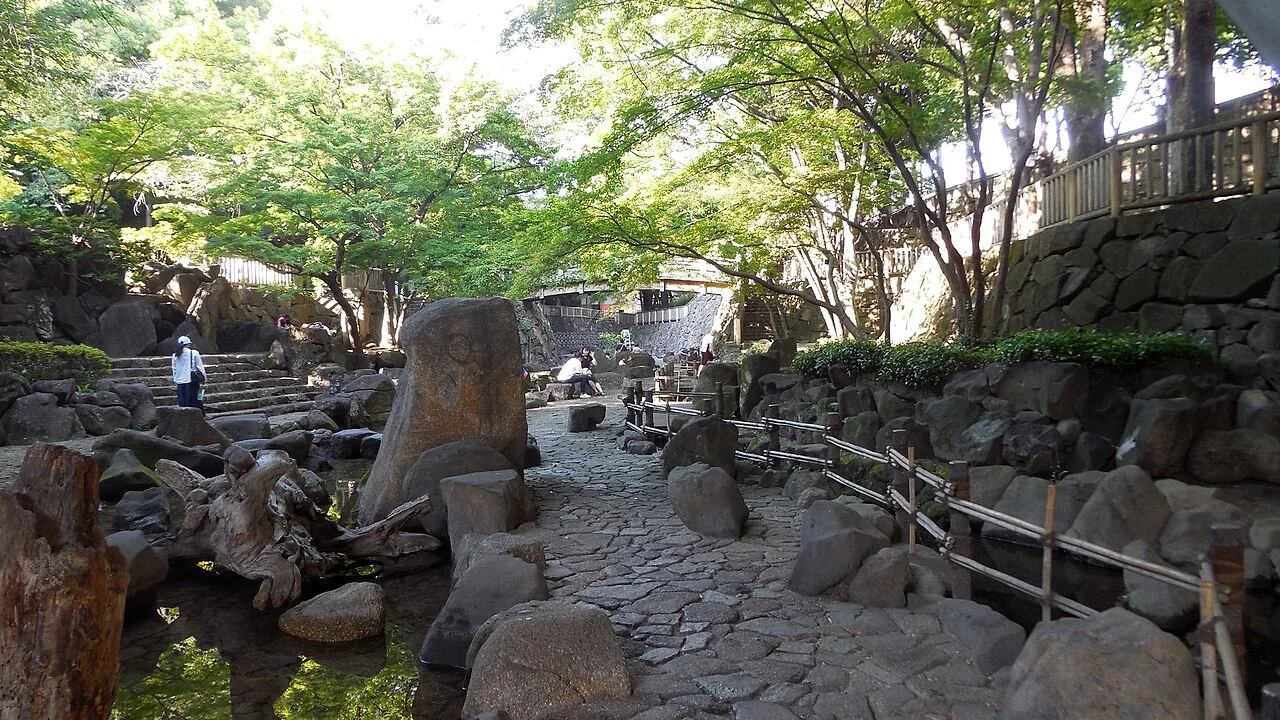
Leave Oji Station and look for Otonashi Shinsui Park. It sits in the old course of the Shakujii River, tucked below the roads and railway tracks.
Wooden bridges, stone banks and a waterwheel give it the atmosphere of a miniature riverside village. Trains pass close by, but down here the city seems to lower its voice.
In spring, cherry blossoms frame the water. In summer, the shade makes it a useful escape from Tokyo’s impression of a reasonable temperature.
Follow the foxes to Oji Inari Shrine
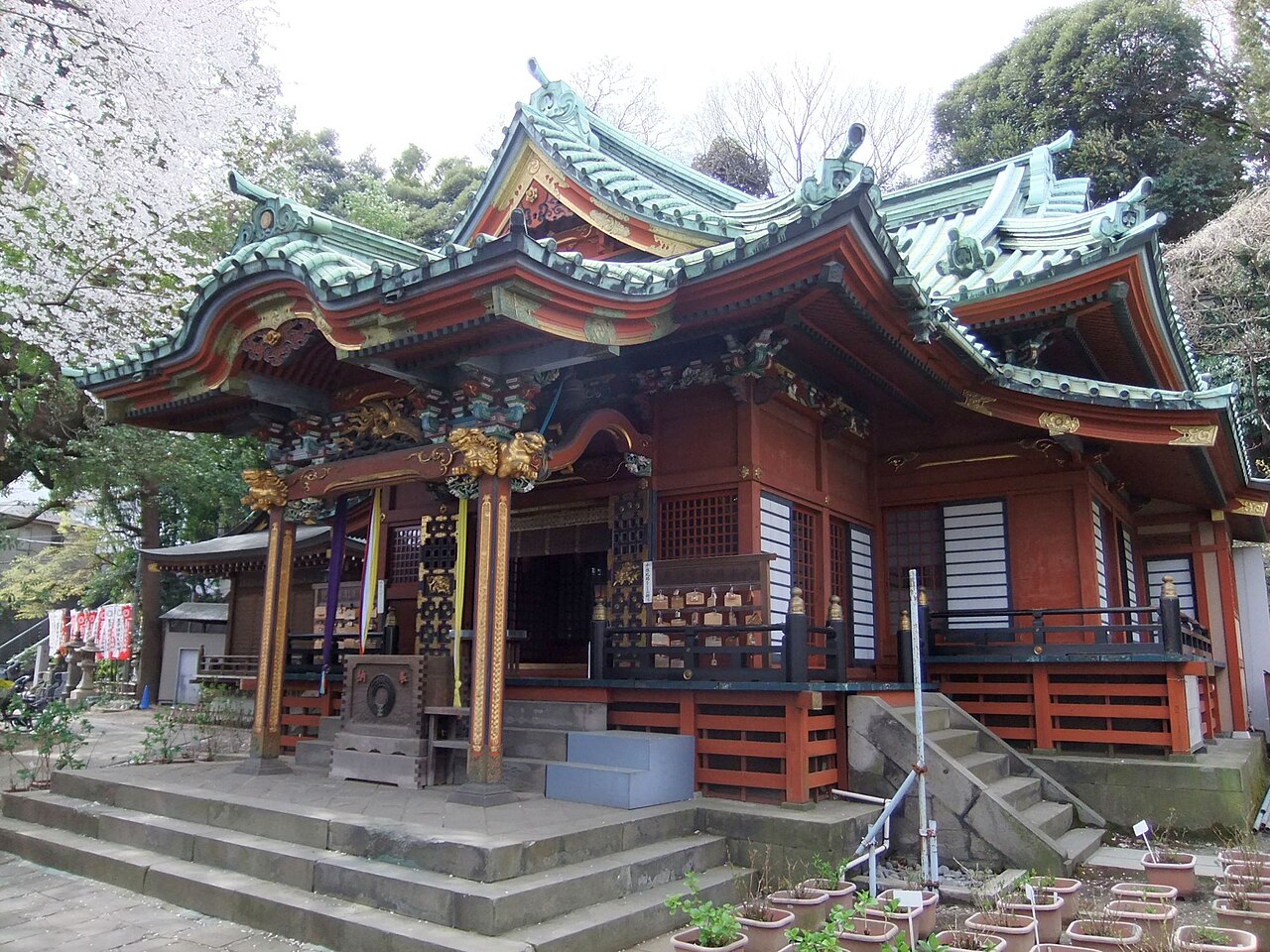
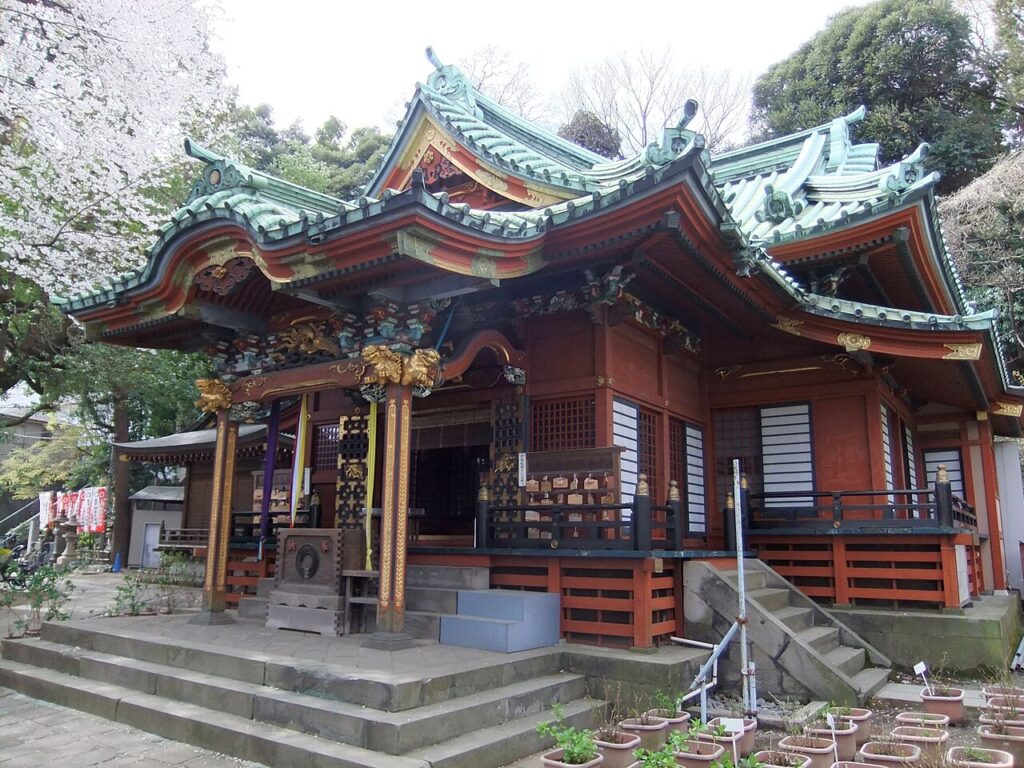
From the station, Oji Inari Shrine is roughly an eight-minute walk. Its vermilion buildings sit above a residential street, away from Tokyo’s usual sightseeing conveyor belt.
The shrine has deep roots and was historically regarded as an important center of Inari worship in the Kanto region. Inari is associated with rice, prosperity and business; foxes are considered the deity’s messengers, not the deity itself.
That distinction may not help when you are standing among fox statues, fox plaques and fox imagery. The neighborhood has committed to the theme.
Visit quietly and remember that this is an active place of worship, not a film set. Opening arrangements can change, especially around events, so check the latest information before making a special trip.
A waterfall garden with very little publicity
A short walk away is Nanushinotaki Park, a landscape garden built around a natural slope and waterfalls.
It feels oddly detached from the surrounding city: stone paths, dense trees, ponds and the sound of falling water. You may encounter local walkers, someone reading on a bench and almost nobody attempting to sell you a “samurai experience.”
The park has gates and operating hours, and parts of the water features may occasionally be suspended for maintenance. Check Kita City’s current notice before visiting.
Ride Tokyo’s tiny free mountain railway
Back near Oji Station, cross to Asukayama Park. The hill has been a public leisure spot since the time of the eighth Tokugawa shogun, Yoshimune, who had cherry trees planted here for ordinary Edo residents to enjoy.
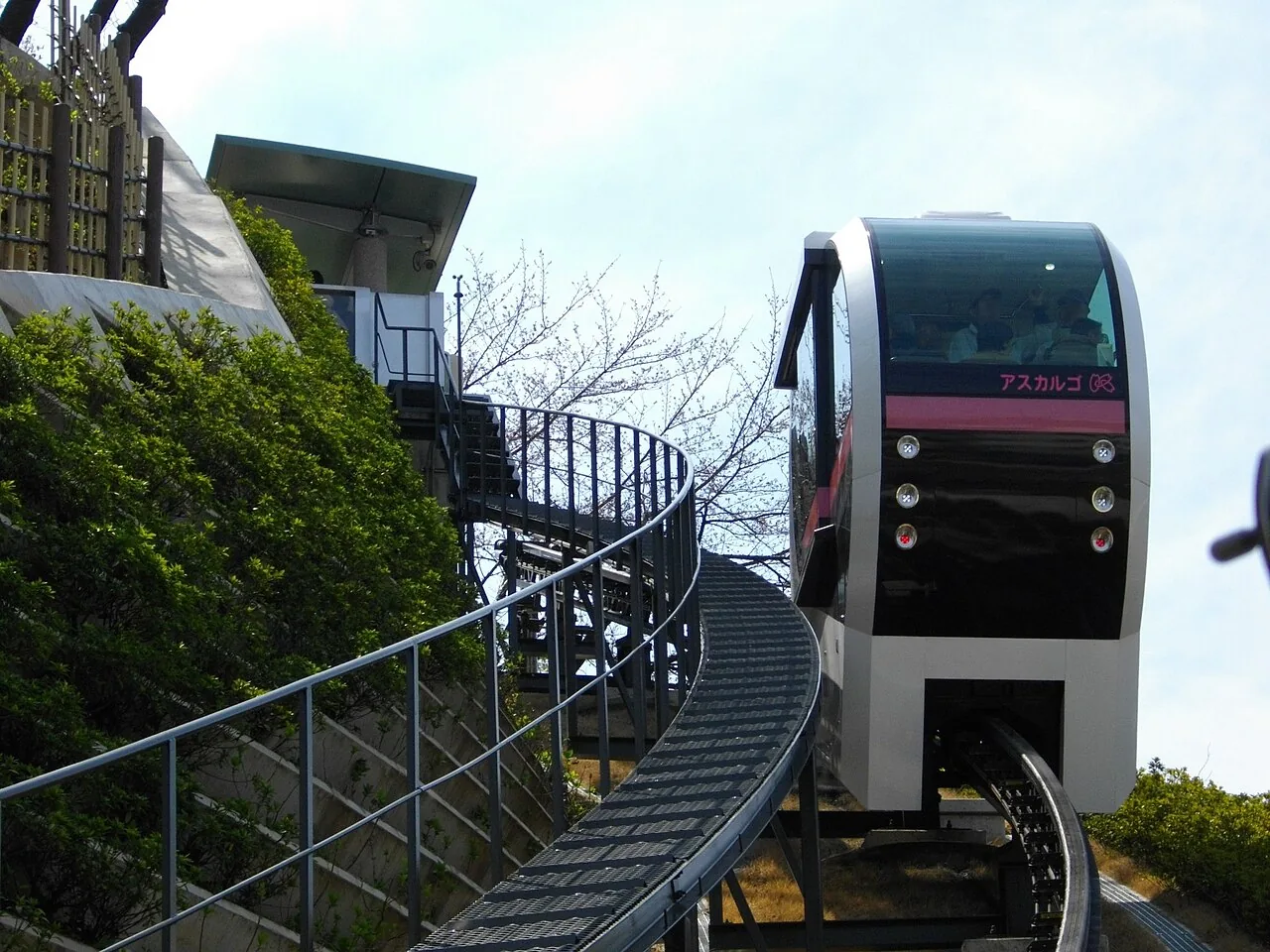
You can walk up. Or you can take the Asuka Park Rail, affectionately called the Ascargot.
The free, driverless car travels only 48 meters, climbs about 18 meters and takes roughly two minutes. It looks like a snail and moves with the confidence of one.
Is it necessary? No. Is it delightful? Completely.
End the walk with a streetcar
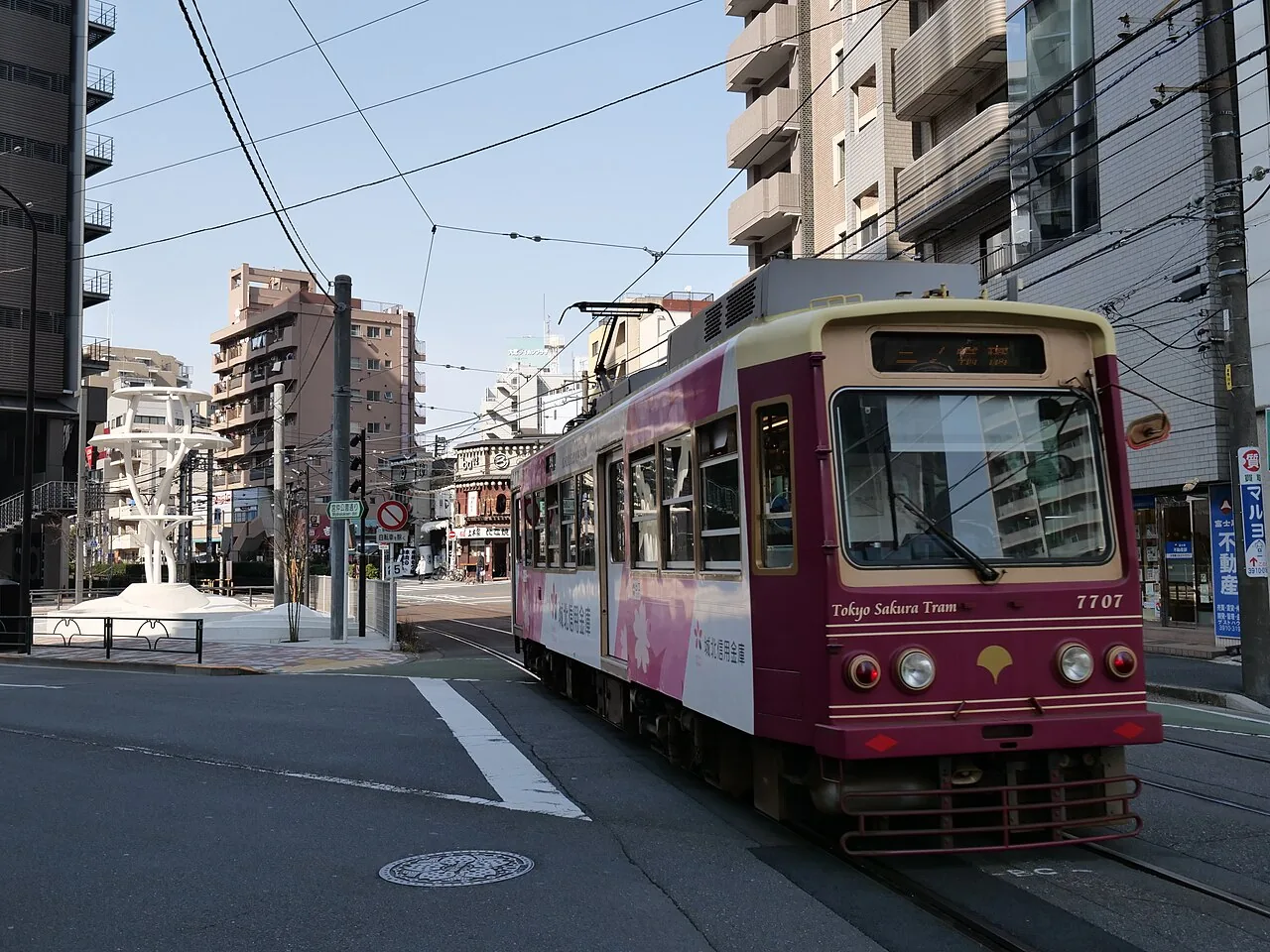
Tokyo once had an enormous tram network. Most of it disappeared as cars and subways took over, but the Tokyo Sakura Tram—also known as the Toden Arakawa Line—survived.
At Oji, the little tram emerges into regular traffic and runs beside Asukayama Park. Board at Oji-ekimae or Asukayama and continue the day toward old-school neighborhoods such as Kajiwara, Arakawa or Minowa.
It is public transport, not a theme-park ride. That is exactly why it belongs in this story.
A simple Oji walking route
- Oji Station — start from the JR or Tokyo Metro station.
- Otonashi Shinsui Park — 15–25 minutes.
- Oji Shrine — a quick, quiet stop beside the park.
- Oji Inari Shrine — follow the neighborhood’s fox story.
- Nanushinotaki Park — allow 20–30 minutes when open.
- Asukayama Park and the Ascargot — return toward the station.
- Tokyo Sakura Tram — ride onward instead of retracing your steps.
Allow around three hours at an easy pace, longer if you visit one of Asukayama Park’s museums or stop for lunch.
Before you go
- Best for: local history, unusual transport, shrines and slow neighborhood walks.
- Nearest station: Oji Station on the JR Keihin-Tohoku Line and Tokyo Metro Namboku Line.
- Cost: The parks, shrine grounds and Ascargot are generally free; tram fare and museum admission are separate.
- Best time: Weekday mornings or late afternoons. Cherry-blossom season is beautiful but no longer qualifies as quiet.
- Important: Check current opening times, closures and event restrictions on official websites.
Oji is not hidden because it is difficult to reach. It is hidden because Tokyo gives visitors so many louder instructions.
Ignore them for an afternoon. Follow the foxes instead.
Researched using current information from GO TOKYO, GO TOKYO’s Oji Inari Shrine guide, Tokyo Metropolitan Bureau of Transportation and Kita City, checked September 11, 2026. This is a researched neighborhood guide, not a firsthand visit report. Conditions may change.
Where this joins the rest of the east side
Oji is one stop from Akabane Hachiman and its Shinkansen tunnel and one from JR Itabashi, where Kondo Isami’s grave is beside the station. The Toden streetcar from Oji runs east to Minowa, for Jokanji and the edge of Yoshiwara.
Quick answers
What is there to do in Oji, Tokyo?
Oji Inari Shrine (the fox shrine of Hiroshige’s print), Otonashi Shinsui Park in the old riverbed beside the station, Nanushinotaki waterfall garden, Asukayama Park with its free ‘Ascargot’ hillside railway, and the Toden Arakawa streetcar. All free.
How do I get to Oji?
JR Keihin-Tohoku line or Namboku subway line to Oji Station, about 15 minutes from Tokyo Station or Ueno. The Toden Arakawa tram also stops at Oji-ekimae.
What is the Asukayama monorail?
The Asuka Park Rail, nicknamed Ascargot, a free driverless car that climbs 18 meters over 48 meters of track in about two minutes from beside Oji Station to the top of Asukayama Park.
When is the Oji fox parade?
On New Year’s Eve, when people in fox masks carry lanterns from Shozoku Inari Shrine to Oji Inari Shrine, re-enacting the legend of the foxes gathering under the hackberry tree.