This article may contain affiliate links to booking sites. If you book through them, LOCAL SIDE JAPAN earns a small commission at no extra cost to you. How this site is made →
HIDDEN HISTORY · ITABASHI, TOKYO
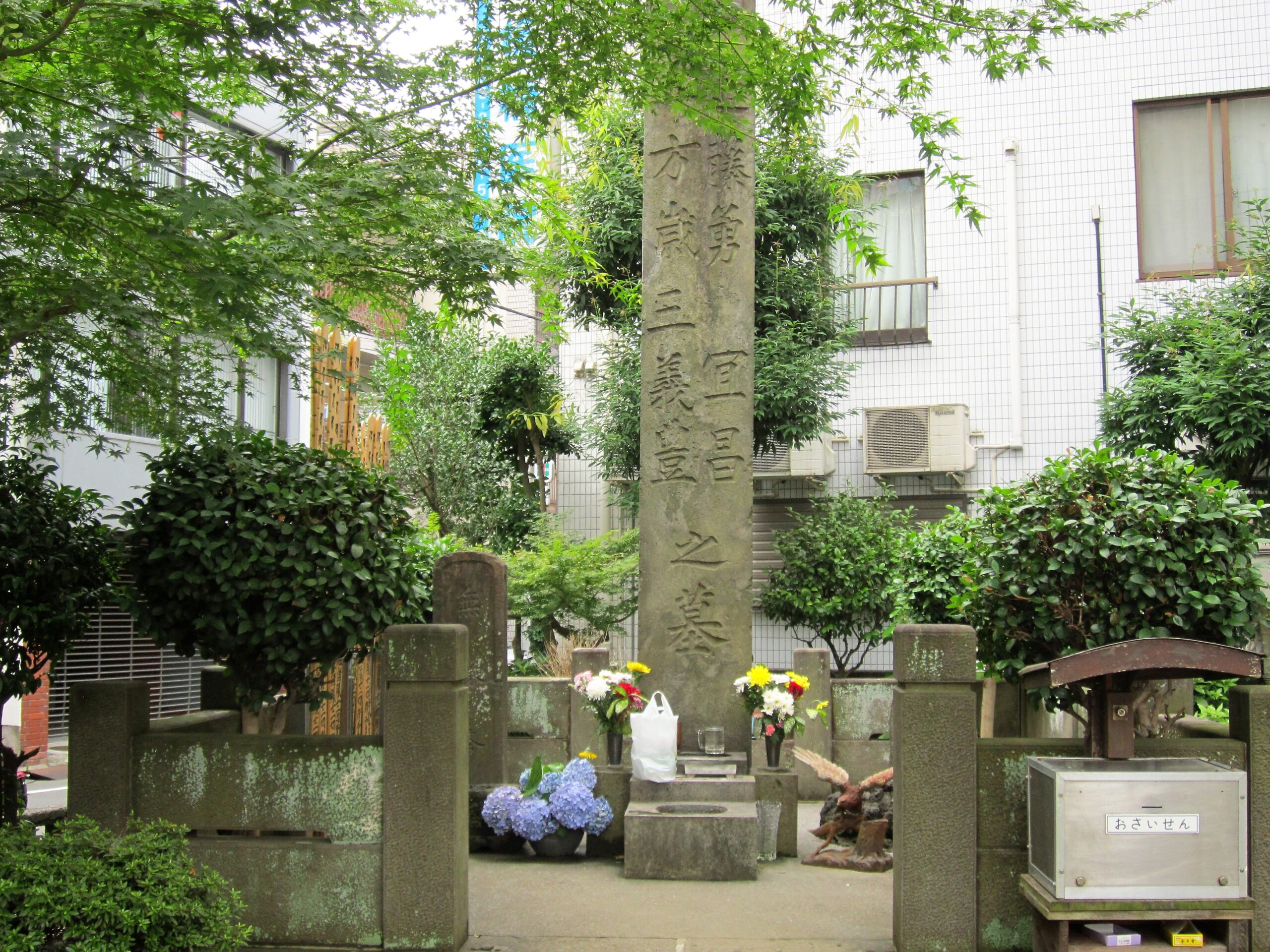
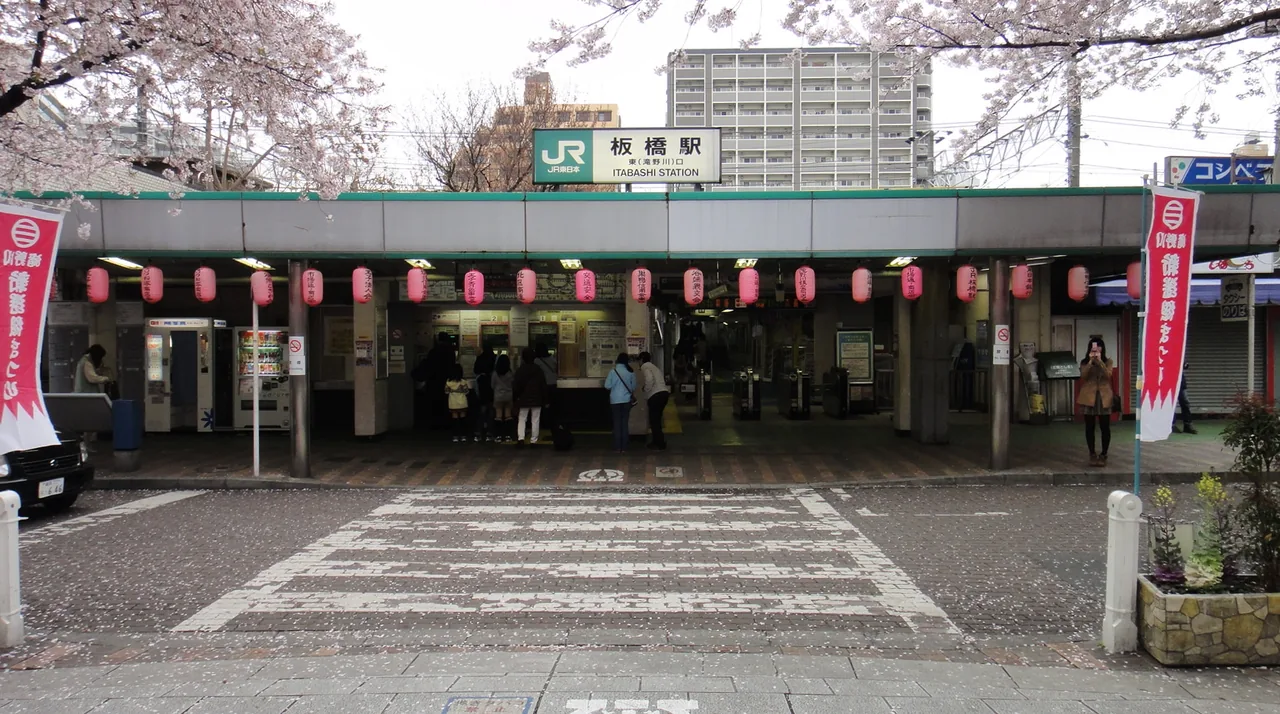
Leave JR Itabashi Station by the east exit and you are immediately surrounded by the practical Tokyo of ticket gates, bicycles and apartment buildings. Yet only a few steps away stands a small cemetery for Kondō Isami and the Shinsengumi. Somewhere within this ordinary station landscape, the commander of Japan’s most famous samurai police force spent his final hours.
On this page
- The station exit that opens onto the end of the samurai age
- There is no preserved execution ground
- A grave built by the comrade who survived
- Who was Kondō Isami?
- The strange afterlife of “the god of fever”
- How to visit without turning it into a costume set
- Where can you actually hold a sword?
- Before you go
- Where this joins the rest of the east side
- Quick answers
Fast facts
- Admission: Free
- Where: The detached cemetery of Jutokuji, beside the east (Takinogawa) exit of JR Itabashi Station. Technically in Kita City
- Nearest: JR Itabashi Station (Saikyō line), a few steps from the east exit
- Note: The cemetery is close to, not on, the exact location of the execution ground
The station exit that opens onto the end of the samurai age
Itabashi is not where most visitors go looking for the Shinsengumi. The group is usually associated with Kyoto: pale-blue haori coats, the Ikedaya Incident and sword fights in the final years of the Tokugawa shogunate. But the story of its commander ends here, on what was then the northern approach to Edo.
In 1868, the old political order was collapsing into the Boshin War. After defeat at Toba–Fushimi, Kondō and surviving allies continued resisting the new imperial government. He reorganised his men as the Kōyō Chinbutai and later established a position at Nagareyama, northeast of Tokyo. There he was captured—or surrendered, depending on how the episode is framed—and taken to the new government army’s headquarters at Itabashi-juku.
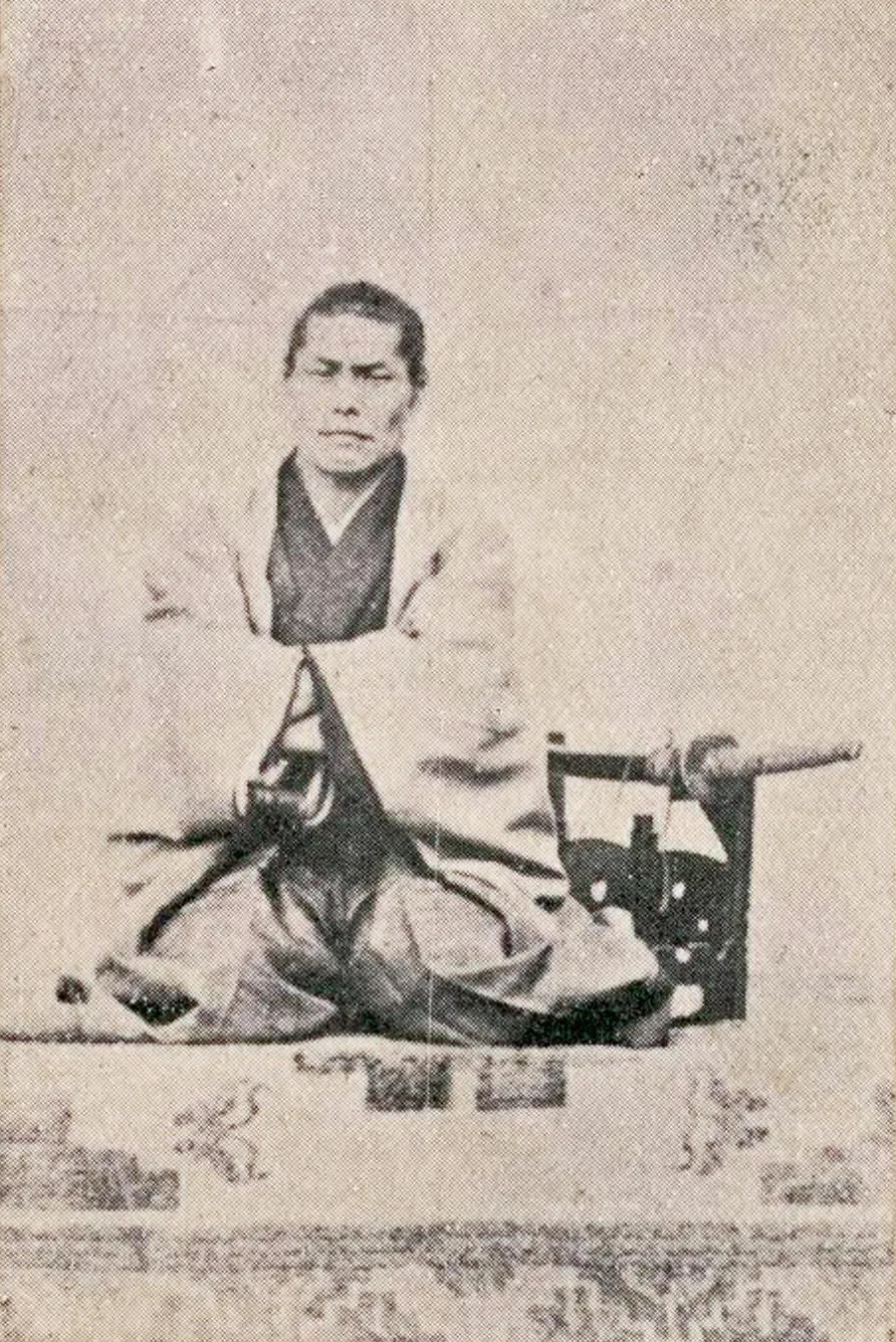
Kondō had used the name Ōkubo Yamato, but former opponents identified him. On the 25th day of the fourth month of Keiō 4—May 17, 1868 in the modern calendar—he was executed near the old Hirawo milestone. He was 33 by Western age counting, although Japanese sources traditionally describe him as 35 by the historical kazoedoshi system.
There is no preserved execution ground
Visitors expecting a fenced historical site will not find one. Roads, railway facilities and later construction transformed the ground. A stone marker identifies the former Itabashi execution site, but the surrounding city gives no visual warning about what happened here.
This distinction matters: the cemetery beside the station is close to the execution site, not a perfectly preserved patch of the scaffold itself. Even the old place-name can confuse modern travellers. The memorial stands in today’s Kita City, although it is beside Itabashi Station and historically connected with Itabashi-juku.
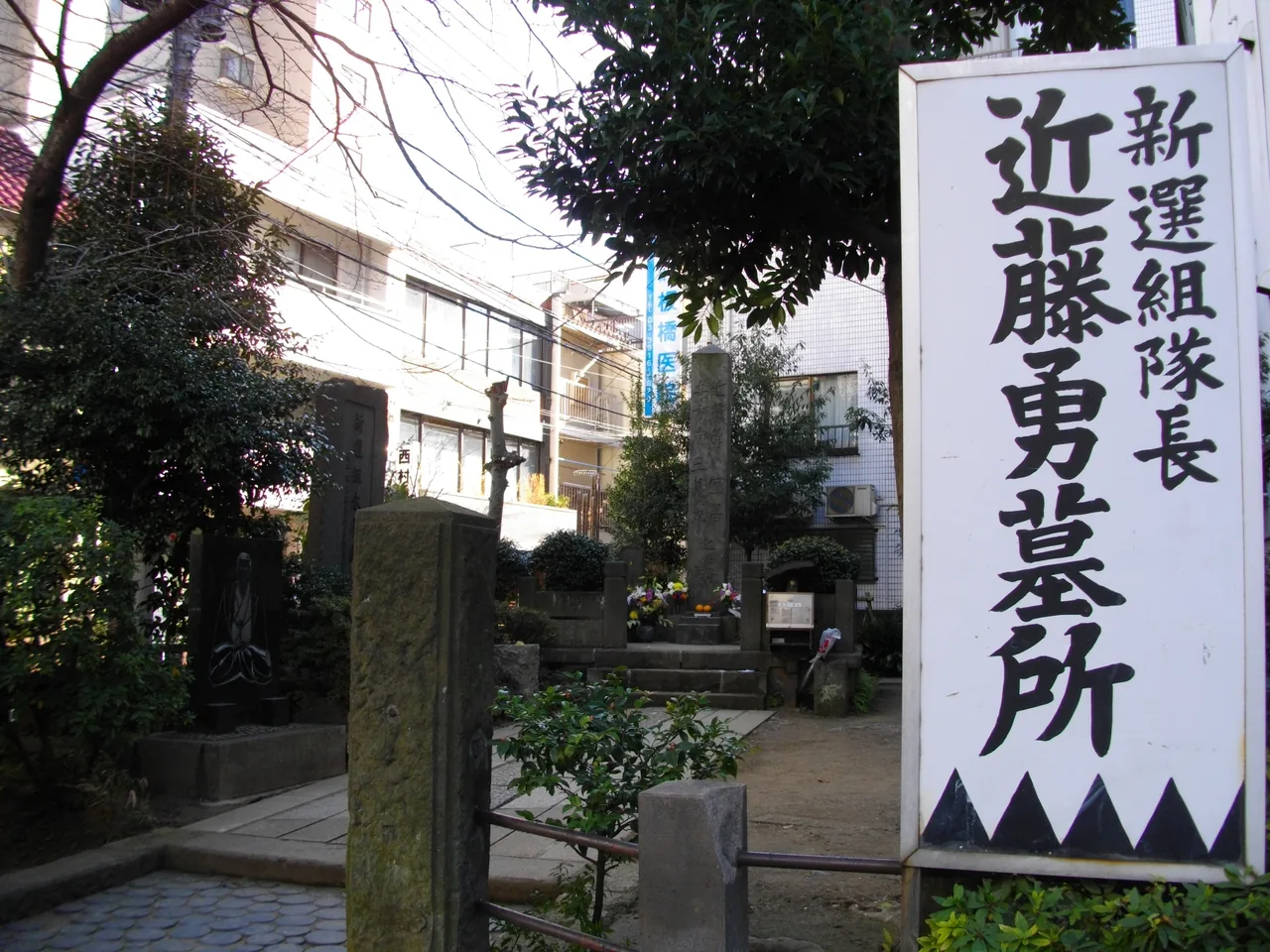
The lack of scenery is precisely what makes the place powerful. A visitor can arrive without ceremony, cross from the station and suddenly face the violent transfer of power that created modern Japan. The distance between “history” and “Tuesday morning commute” is only a few metres.
A grave built by the comrade who survived
The present memorial was not waiting here when Kondō died. It was erected in 1876, eight years after the execution, through the efforts of former Shinsengumi member Nagakura Shinpachi, with support from Matsumoto Ryōjun, a doctor who had served the shogunate.
The monument commemorates Kondō, vice-commander Hijikata Toshizō and other members of the Shinsengumi. The names of 110 people connected with the force are carved on its sides. That makes it more than the grave of one famous swordsman: it is among the earliest memorials created specifically for the Shinsengumi.
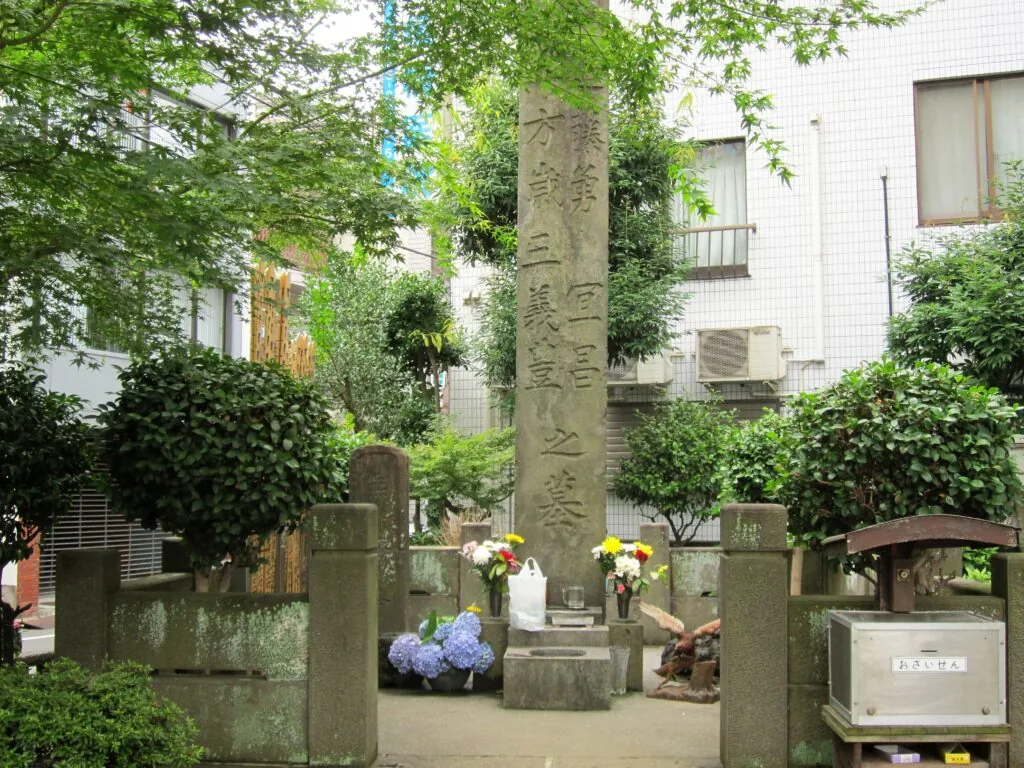
Calling it simply “Kondō’s grave” also hides a complicated story. Kita City’s official account says his head was displayed at Sanjō riverbank in Kyoto and his torso was buried in an unmarked mound at Takinogawa. Other locations in Japan maintain their own Kondō burial traditions. The Itabashi site is therefore best understood as both a grave and a collective memorial—a place where survivors and later admirers gave the defeated a name again.
Who was Kondō Isami?
Kondō was not born into the elite rank suggested by later samurai legend. Born Miyagawa Katsugorō in 1834 to a farming family in Tama, west of Edo, he entered the Tennen Rishin-ryū school of swordsmanship, was adopted into its Kondō line and eventually led the Shieikan dojo.
In 1863, he travelled to Kyoto with the group that became the Shinsengumi. Officially charged with maintaining order, its members defended the Tokugawa side in an increasingly fractured capital. To supporters they were disciplined loyalists. To enemies they were a feared political police force. Popular culture turned them into romantic heroes, but their real history includes factional killings, rigid internal rules and lethal street violence.
Itabashi strips away the costume-drama glamour. Kondō did not fall during a cinematic sword duel. He was a prisoner of a new government, executed in public as the shogunate he served disappeared. Within months, Edo itself would be renamed Tokyo.
The strange afterlife of “the god of fever”
Local tradition gives the site an unexpected second life. According to an account preserved by Kita City, a woman opened a shop without knowing that it stood on the former execution ground. When she developed recurring fever or chills—called okori—a local elder advised her to pray at Kondō’s grave. She recovered, the story says, and Kondō gained a folk reputation as an okori no kamisama, a deity who could relieve the illness.
This is folklore, not medical advice and not a verified supernatural event. But it shows how communities metabolise difficult places. An executed enemy of the state became a memorialised commander, then a neighbourhood guardian. Tokyo did not preserve the scaffold; it preserved a relationship with the dead.
How to visit without turning it into a costume set
- Exit JR Itabashi Station on the east, or Takinogawa, side. The cemetery is almost immediately visible.
- Read the historical signs before photographing. They clarify the relationship between the memorial, the station and the former execution site.
- Look around the entire monument. The inscriptions for other Shinsengumi members are essential to understanding it as a collective memorial.
- Continue toward old Itabashi-juku. A walk along the former Nakasendō road helps restore the geography that modern railways have obscured.
Keep voices low and do not lean equipment against graves. The location may be famous among Shinsengumi fans, but it remains the detached cemetery of Jutokuji and an active place of remembrance.
For another Tokyo site where railway lines sit against the memory of state execution, read our guide to the Kozukappara execution ground in Minamisenju. The two places reveal opposite ends of Edo—and how modern Tokyo absorbed both into ordinary neighbourhoods.
Where can you actually hold a sword?
Somewhere else. This is a working cemetery with a stone in it, and twenty minutes here is the whole visit. If part of what brought you to Kondō Isami is the sword itself, it is worth knowing what the city actually sells under that heading, because the gap between the options is wide.
The Shinsengumi and samurai attractions around Asakusa and Shinjuku are costume and photography: you are given hakama, a blunt alloy replica and a photographer. Nothing is wrong with that, but the listings do not always say that the blade is not sharp and there is no tatami-mat cutting, which is the one thing most people picture. If that is what you were expecting, you will be disappointed at the door.
The nearer thing to what Kondō did for a living is a dojo. A two-hour kendo session in a real dojo in Arakawa City, armour and shinai provided, ends in a mock tournament and runs about ¥18,000; an hour of Mugai-ryū iaido in Kuramae — drawing the sword, which is the discipline people mean when they picture a samurai — is about ¥23,000 with a named school and an English-speaking instructor. Both are east-side, both are an order of experience away from posing. The four things Tokyo sells as a samurai experience, and what each one is →
Do the dojo on a different day from this one. Walking out of a cemetery and into a costume hour in the same afternoon is the thing the section above is asking you not to do.
Before you go
- Official name: Grave of Kondō Isami and Shinsengumi members
- Location: Detached cemetery of Jutokuji, 7-8-10 Takinogawa, Kita-ku, Tokyo
- Nearest station: JR Itabashi Station, East/Takinogawa Exit
- Walking time: About one minute from the station exit
- Suggested visit: 20–30 minutes for the memorial; 60–90 minutes if combined with old Itabashi-juku
- Best time: Daylight hours
- Annual remembrance: A memorial service is generally held around April 25, with a local Shinsengumi festival held in spring; confirm the year’s dates before travelling
- Etiquette: Treat the grounds as a cemetery, not a film location. Do not enter closed sections or photograph mourners without permission.
Where this joins the rest of the east side
The end of the shogunate is scattered across the north of the east side: Yoshida Shoin and other Ansei Purge victims lie at Ekoin beside the Kozukappara execution ground in Minamisenju. Two stops north of Itabashi, Akabane Hachiman has a Shinkansen under it; one stop south, Oji has the foxes.
Quick answers
Where is Kondo Isami’s grave?
Beside the east exit of JR Itabashi Station (Saikyo line), in the detached cemetery of Jutokuji. The memorial is technically in Kita City, a few steps from the station. It is free and open.
When and why was Kondo Isami executed?
On May 17, 1868, during the Boshin War, after he was captured at Nagareyama and identified by former opponents at the new government’s Itabashi headquarters. He was 33. His head was displayed in Kyoto; the Itabashi memorial is both a grave and a collective monument.
Who built the Kondo Isami memorial?
Former Shinsengumi member Nagakura Shinpachi, with the doctor Matsumoto Ryojun, erected it in 1876. It commemorates Kondo, Hijikata Toshizo and 110 people connected with the Shinsengumi, and is among the earliest memorials to the group.
Is the Itabashi execution ground preserved?
No. A stone marker identifies the former site, but roads and railway works transformed the ground. The cemetery beside the station is close to, not on, the scaffold’s exact location.
LOCAL SIDE JAPAN checked location and historical information against official materials from Itabashi City, Kita City and the Tokyo Metropolitan Government on September 12, 2026. Historical accounts differ over the location and contents of Kondō Isami’s burials; the article distinguishes the locally documented memorial from broader burial traditions.