This article may contain affiliate links to booking sites. If you book through them, LOCAL SIDE JAPAN earns a small commission at no extra cost to you. How this site is made →
Tokyo is famous for neon lights, giant crossings and neighborhoods that never seem to sleep.
But some of the best parts of the city are much quieter.
Walk a few stations away from the places everyone already knows, and Tokyo begins to feel completely different.
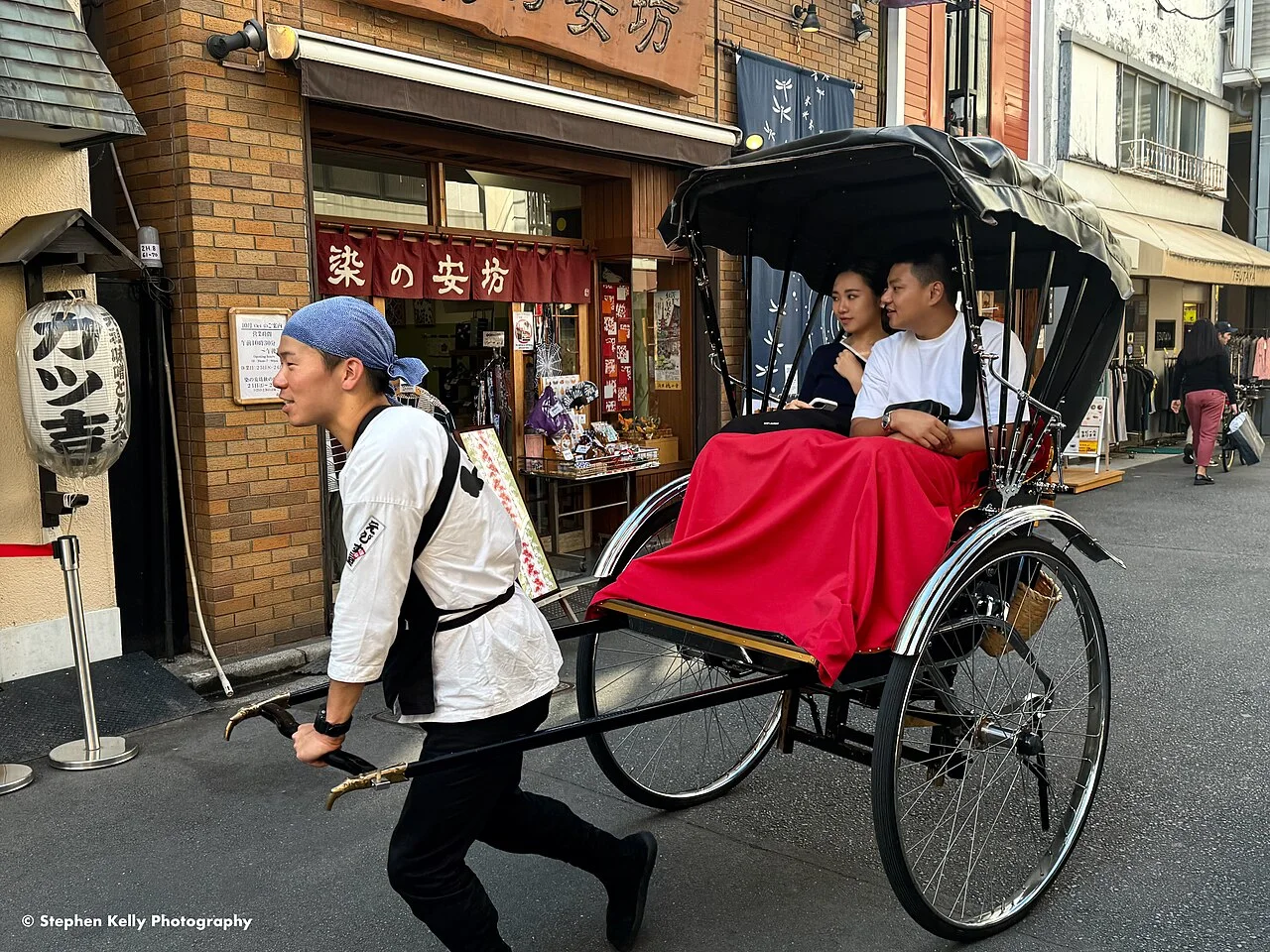
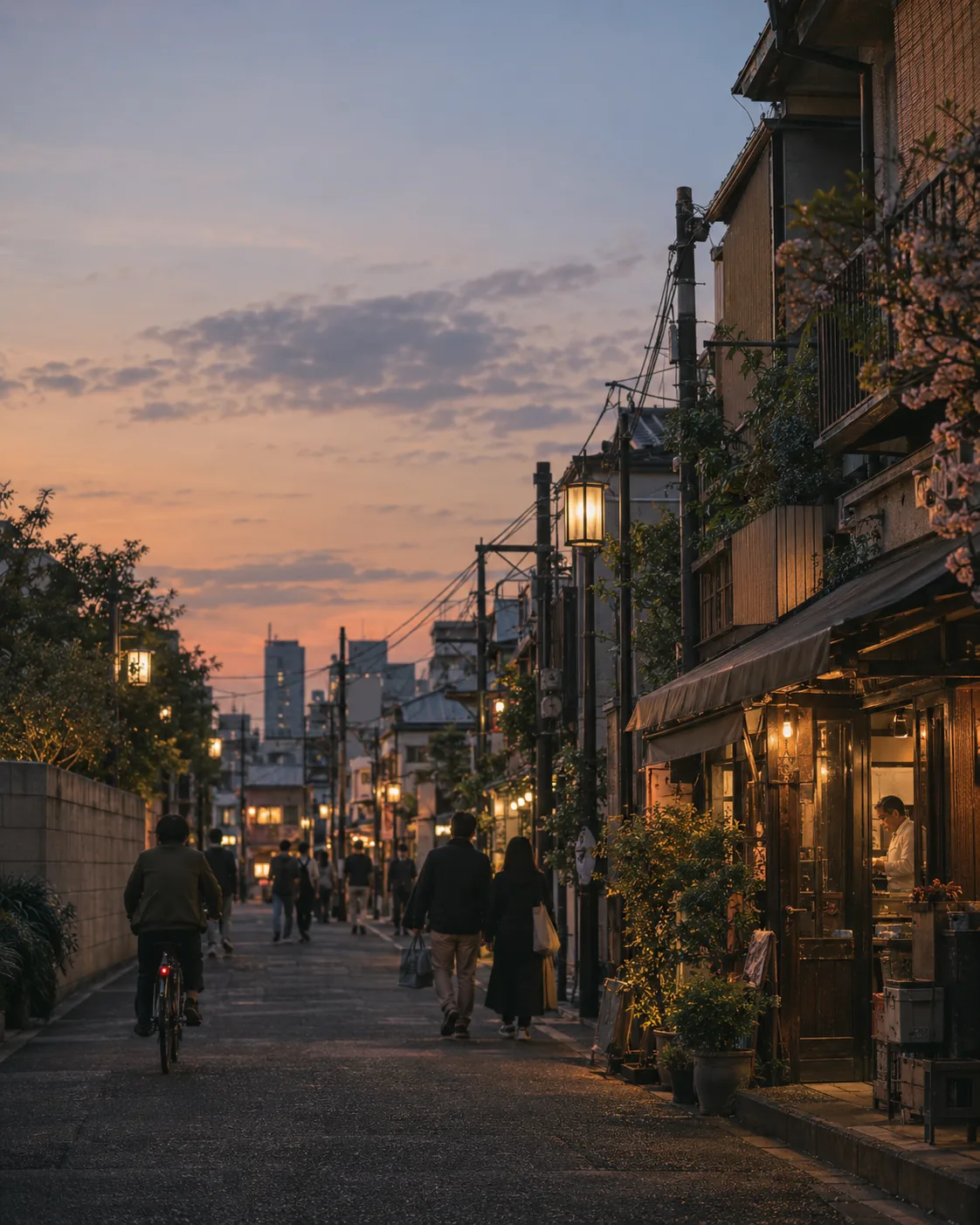
Small shopping streets. Family-run stores. Old signs. People buying dinner on their way home.
This is the Tokyo we love most.
The Tokyo between the tourist attractions
Most first-time visitors build their Tokyo trip around names they already know: Shibuya, Shinjuku, Asakusa, Harajuku.
There is nothing wrong with those places. They are famous for a reason.
But Tokyo is a city of neighborhoods.
And once you start exploring those neighborhoods, the city becomes much more interesting.
You begin to notice the small things.
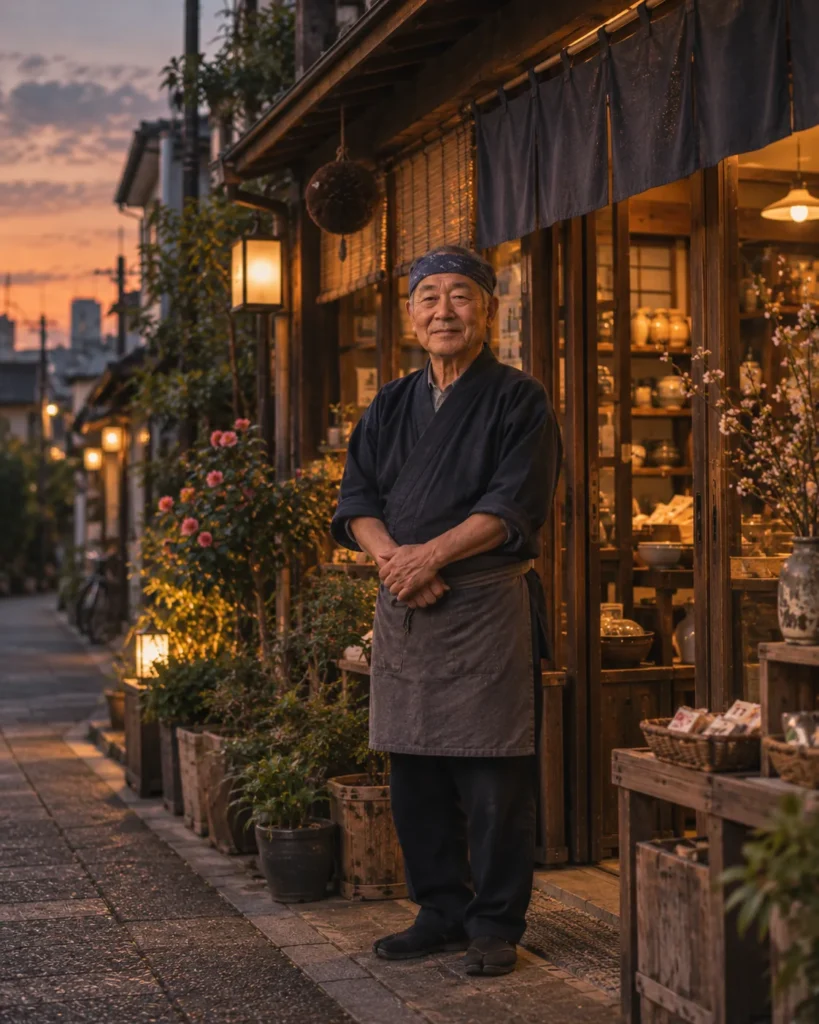
A tofu shop that has been making the same thing for decades.
A tiny yakitori stand filling the street with smoke.
A bicycle parked outside a family home.
A shopkeeper chatting with the same customers they have known for years.
Why local shopping streets matter
Japan’s neighborhood shopping streets are known as shotengai.
They are not designed for tourists.
They exist because people actually live there.
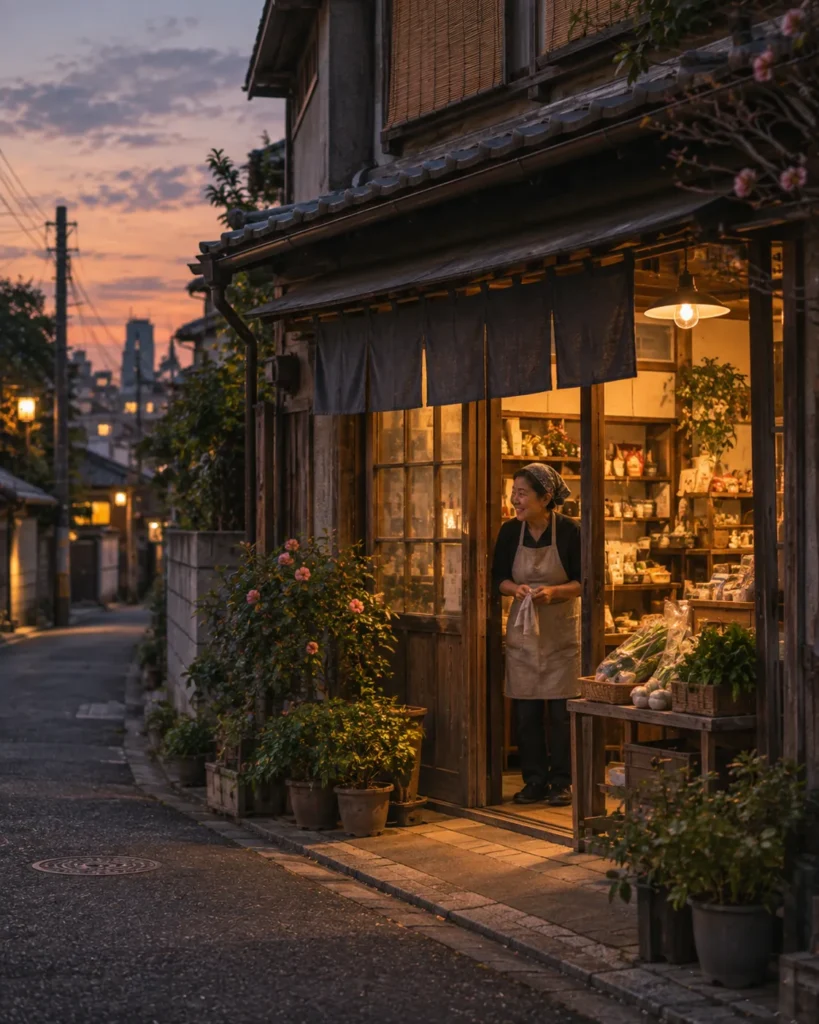
You might find a butcher, a fish shop, a bakery, a tea store, a small restaurant and a place selling something so specific that you have no idea how it has survived for 50 years.
That is exactly why we like them.
A good shotengai is not an attraction.
It is a piece of everyday life that visitors are temporarily allowed to step into.
Don’t arrive with a checklist
The best way to explore a local neighborhood is to stop trying to optimize every minute.
Walk slowly.
Turn down a street because it looks interesting.
Buy something even if you are not completely sure what it is.
Sit somewhere that does not appear in every travel guide.
The goal is not to collect landmarks.
The goal is to notice the place.
A small reminder: you are visiting someone’s neighborhood
Local does not mean secret, and it definitely does not mean private property is suddenly a tourist attraction.
Be curious, but be respectful.
・Ask before photographing people up close.
・Avoid blocking narrow streets or shop entrances.
・Support small businesses when you can.
・Do not treat ordinary residents like part of the scenery.
The best local travel experiences happen when visitors and residents can both enjoy the same place.
This is the side of Tokyo we want to show you
LOCAL SIDE JAPAN is not about pretending famous places are bad.
It is about showing that Japan has much more to offer beyond them.
Sometimes the place you remember most will not be a temple, a tower or a famous crossing.
It might just be a quiet street, a tiny shop and a conversation you did not expect to have.
Come for Japan. Leave with a story.
The sumo stable on one of these streets
I run this one. Treat what follows as an interest declared, not a neutral recommendation — everything else on this site is chosen without one.
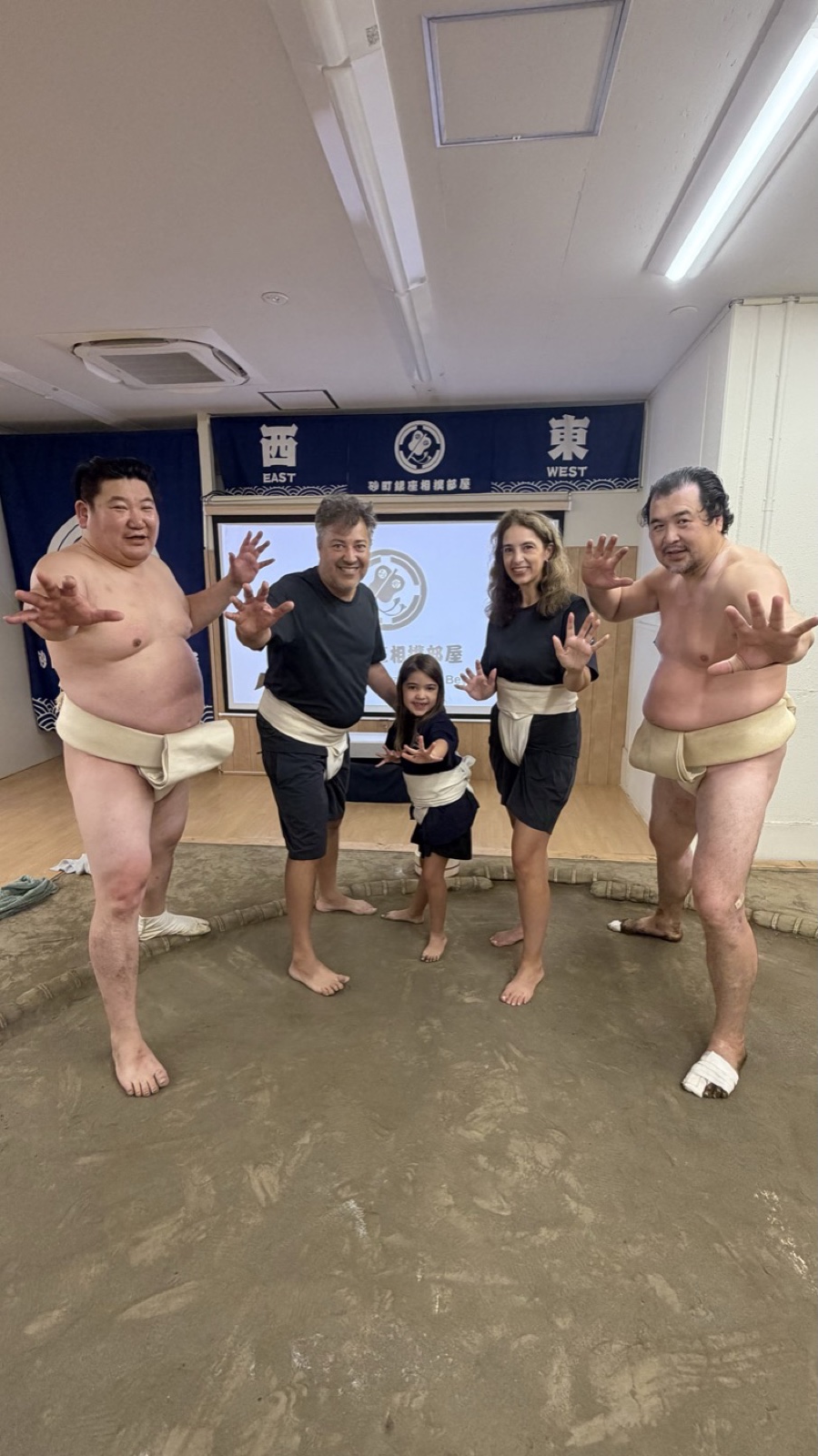
The shopping street this article is really about is Sunamachi Ginza in Koto City, and the reason I know it well is that I work on it. The Sunamachi Ginza Sumo Stable is a 90-minute session with former professional wrestlers: you watch bouts from the edge of a real ring, then step into it yourself if you want to. It is on a working shopping street rather than in a tourist district, which is the whole argument of this article, so it would be odd to leave it out — and equally odd to pretend I found it.
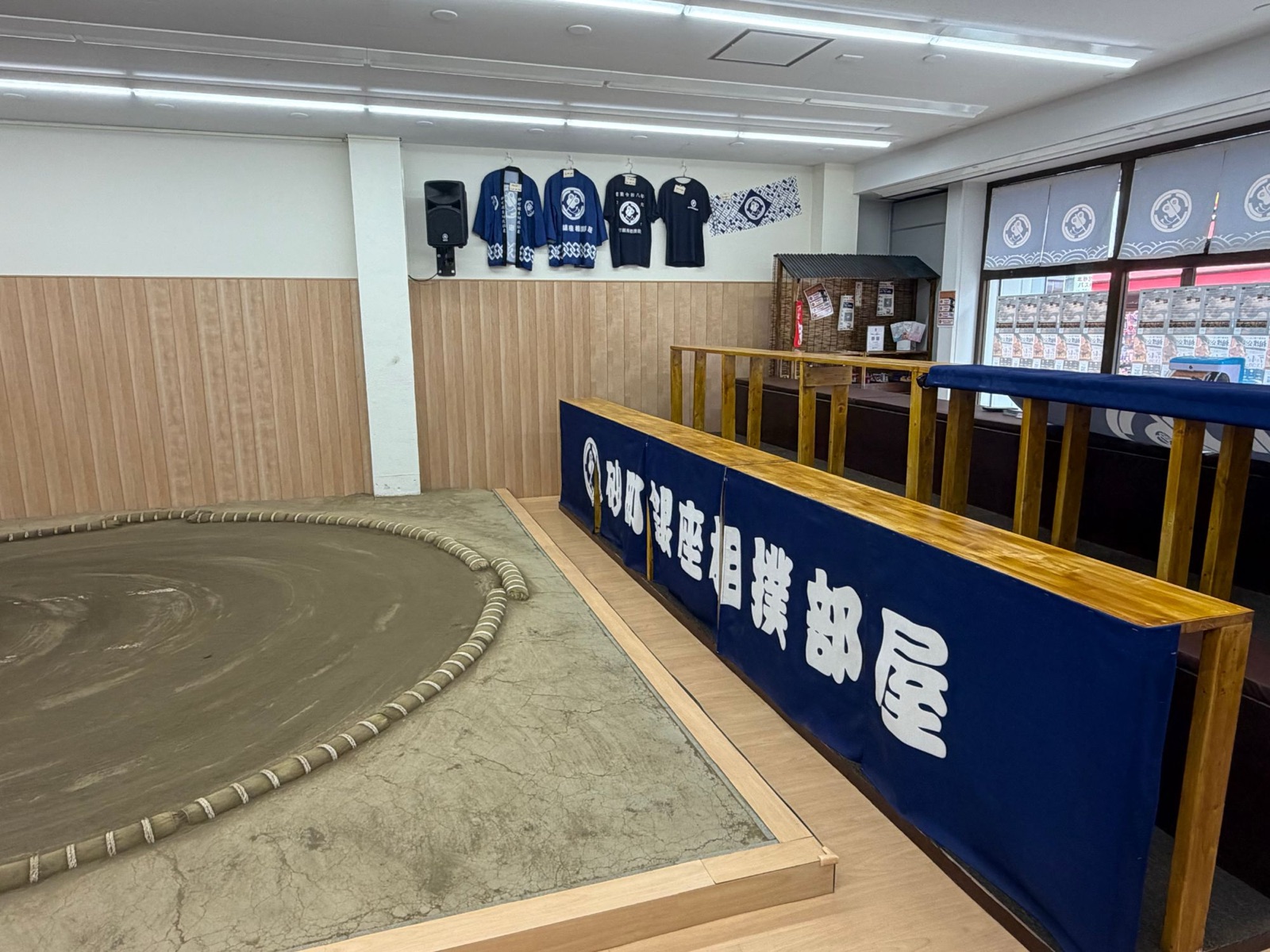
¥11,000 adults · ¥7,700 children 4–12 · under 4 free · 11:00 and 15:30 · 90 minutes · closed Wednesdays and Thursdays · 3-38-16 Kitasuna, Koto City.
If a hands-on session is not what you want, the other three ways to see sumo — the grand tournament at the Kokugikan, a real stable’s morning practice, and the commercial shows — are compared with prices in Sumo in Tokyo: morning practice vs sumo show vs the tournament, and tournament tickets are explained in how to actually get a ¥3,500 seat. And if you are weighing up the nine individual places rather than the three kinds, we compared all of them on the four things the listings leave out: whether everyone gets in the ring or it is decided by lottery, whether you wear a real mawashi or an inflatable suit, how close you sit, and what you eat.
Where this joins the rest of the east side
Start with the streets themselves: Kirakira Tachibana in Kyojima, Sunamachi Ginza, Yanaka on a weekday, Shibamata, and Kita-Senju’s standing bars. Sunamachi Ginza has no food tour and does not need one — the reasoning is in food tours by area, where ¥2,000 of croquettes here is set against ¥15,000 for the same number of bites at Tsukiji. Every ward is on the map on the homepage, and the things worth booking are on the Experiences page.
Quick answers
What is a shotengai?
A neighborhood shopping street: butchers, fishmongers, bakeries, tofu shops and small restaurants that exist because people live nearby, not for tourists. Tokyo’s east side has dozens; Sunamachi Ginza, Kirakira Tachibana and Shibamata’s approach street are three to start with.
Which Tokyo neighborhoods still feel local?
On the east side: Kyojima and Mukojima in Sumida, Sunamachi and Kiyosumi-Shirakawa in Koto, Yanaka and Minowa in Taito and Arakawa, Kita-Senju in Adachi, Shibamata in Katsushika, and Oji and Akabane in Kita.
How should visitors behave in a local shopping street?
Ask before photographing people, keep entrances and narrow streets clear, buy something, and remember residents are not scenery. The best experiences happen when visitors and locals can both enjoy the same place.
Related: How to actually get a sumo ticket in Tokyo (and what it really costs).