This article contains affiliate links to booking sites. If you book through them, LOCAL SIDE JAPAN earns a small commission at no extra cost to you. The place itself is free and is described first. How this site is made →
TOKYO / NISHIARAI / LOCAL TEMPLES
Tokyo has built entire railway lines for commuters, suburbs, airports and shopping districts.
It also has one that travels a single kilometer to a temple.
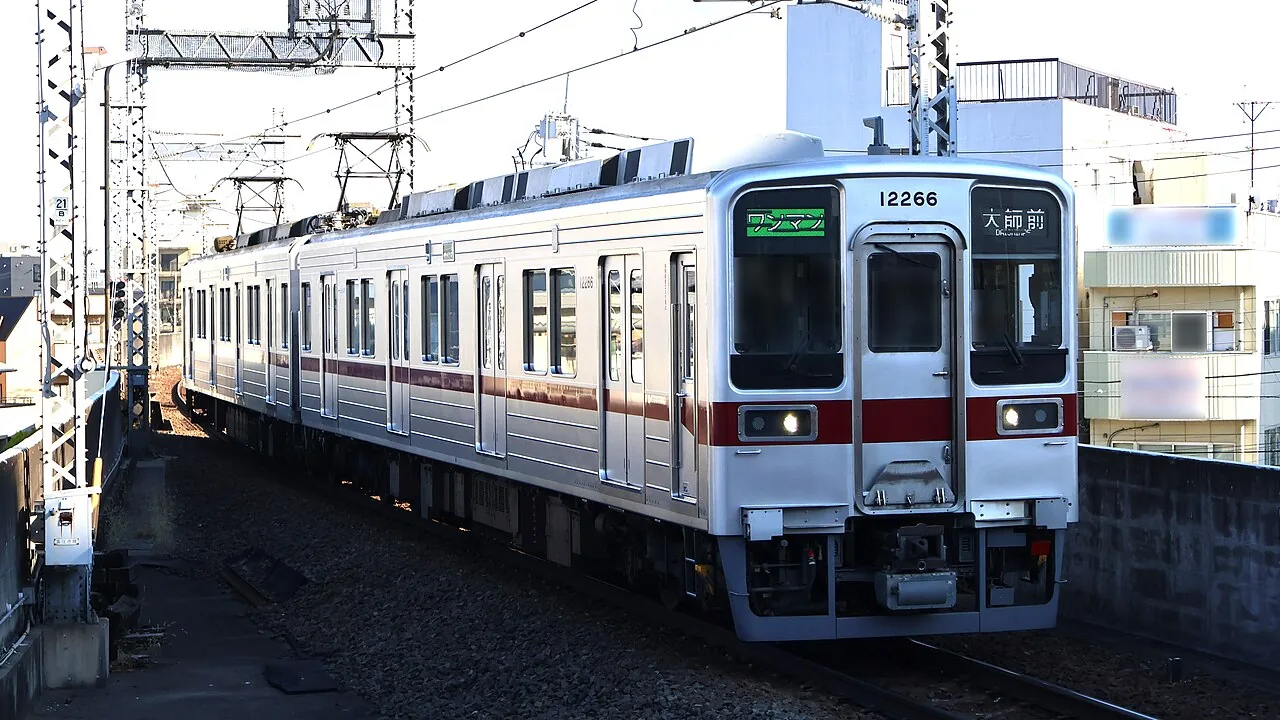
The Tobu Daishi Line connects only two stations: Nishiarai and Daishimae. The ride is so short that sitting down can feel unnecessarily ambitious.
At the end is Nishiarai Daishi, a major Buddhist temple surrounded by an old-fashioned neighborhood that receives far fewer international visitors than Tokyo’s famous temple districts.
On this page
- A railway line that knows exactly what it is for
- The station opens into a different rhythm
- A temple founded to fight an epidemic
- The statue slowly disappearing under salt
- The main hall without the international tour groups
- Eat the local temple snack
- A simple half-day route
- Before you go
- Where this joins the rest of the east side
- Quick answers
Fast facts
- Admission: Entry to the general grounds is usually free; individual prayers or activities may have fees
- Address: 1-15-1 Nishi-Arai, Adachi City, Tokyo
- Nearest: Daishimae Station, the terminus of the two-station Tobu Daishi line from Nishiarai
- Time needed: About 2 to 3 hours for the temple and the approach
A railway line that knows exactly what it is for
Start at Nishiarai Station and follow the signs for the Daishi Line. According to Tobu Railway, the entire route is one kilometer long. There are no difficult decisions: the next station is also the last station.
The two-car train runs back and forth between Nishiarai and Daishimae. It feels less like crossing Tokyo and more like being personally delivered to the temple.
The line is a surviving fragment of a much larger railway idea. Daishimae Station originally opened as part of a proposed connection between Tobu’s eastern and western networks. The grand connection never arrived. The tiny temple train stayed.
Tokyo is full of infrastructure designed for millions of people. This one feels designed for you and six local grandmothers.
The station opens into a different rhythm
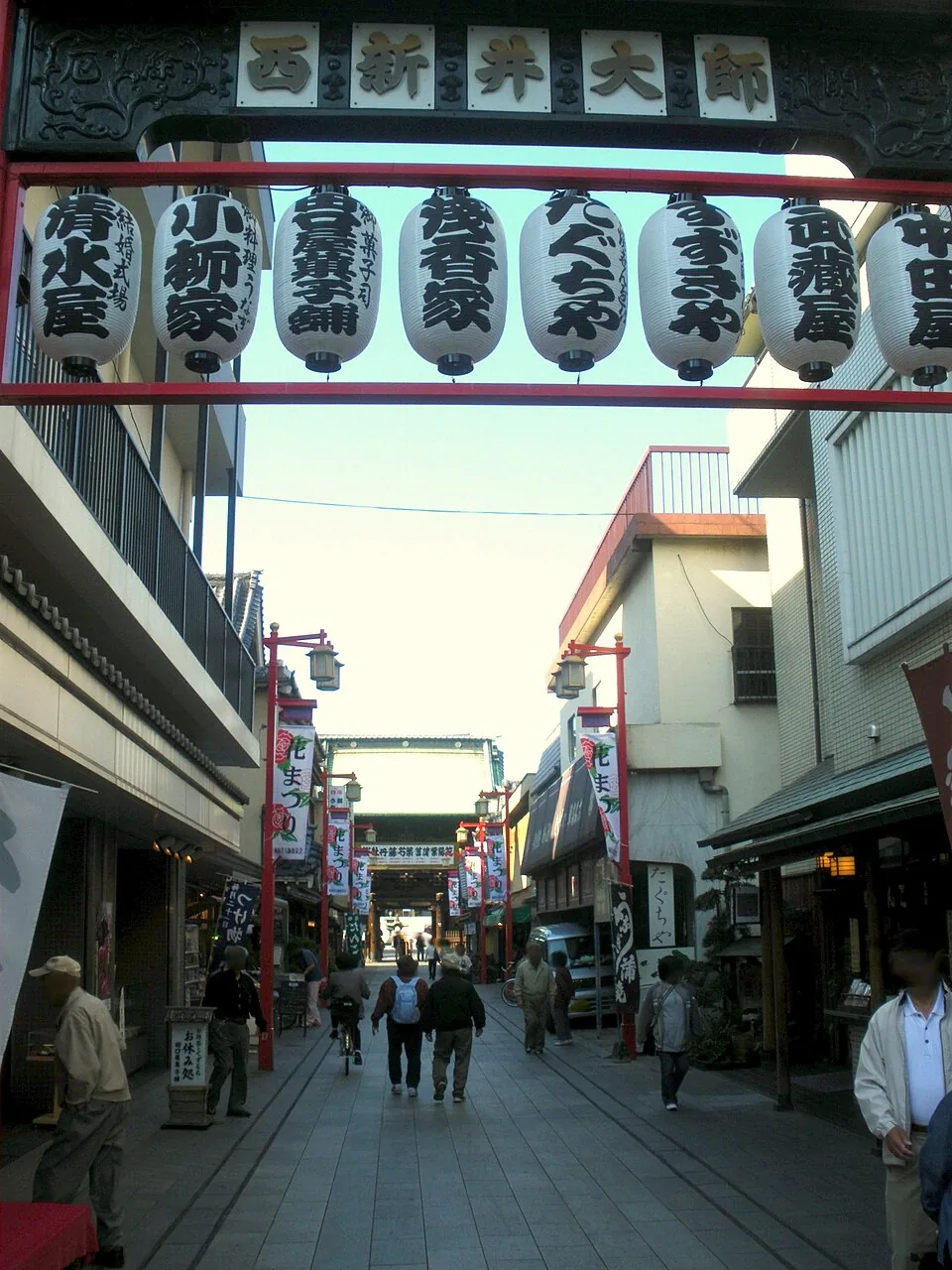
Daishimae Station does not release you into neon, giant screens or a scramble crossing. You emerge beside a neighborhood of low buildings, small shops and signs pointing toward the temple.
The walk to Nishiarai Daishi takes only a few minutes. Along the way, look for shops selling kusa dango—chewy rice dumplings colored and lightly flavored with Japanese mugwort. They are served with sweet red-bean paste and have long been associated with temple visits here.
This is not a carefully manufactured “old Tokyo” district. The shops close when they close. The street may be quiet. A bicycle may be parked exactly where your photograph would have looked perfect.
That is the point.
A temple founded to fight an epidemic
Nishiarai Daishi’s official history dates its foundation to 826. According to temple tradition, the Buddhist monk Kukai—also known as Kobo Daishi—encountered villagers suffering during an epidemic.
He carved sacred images and performed prayers for 21 days. Water then appeared from a dry well west of the hall, and the villagers recovered. The “new well” on the west side is said to have given the area its name: Nishi-arai.
In 2026, the temple marked 1,200 years since its founding. The grounds remain active rather than frozen as a historical exhibit. People come for prayer, memorial services, seasonal flowers and family ceremonies.
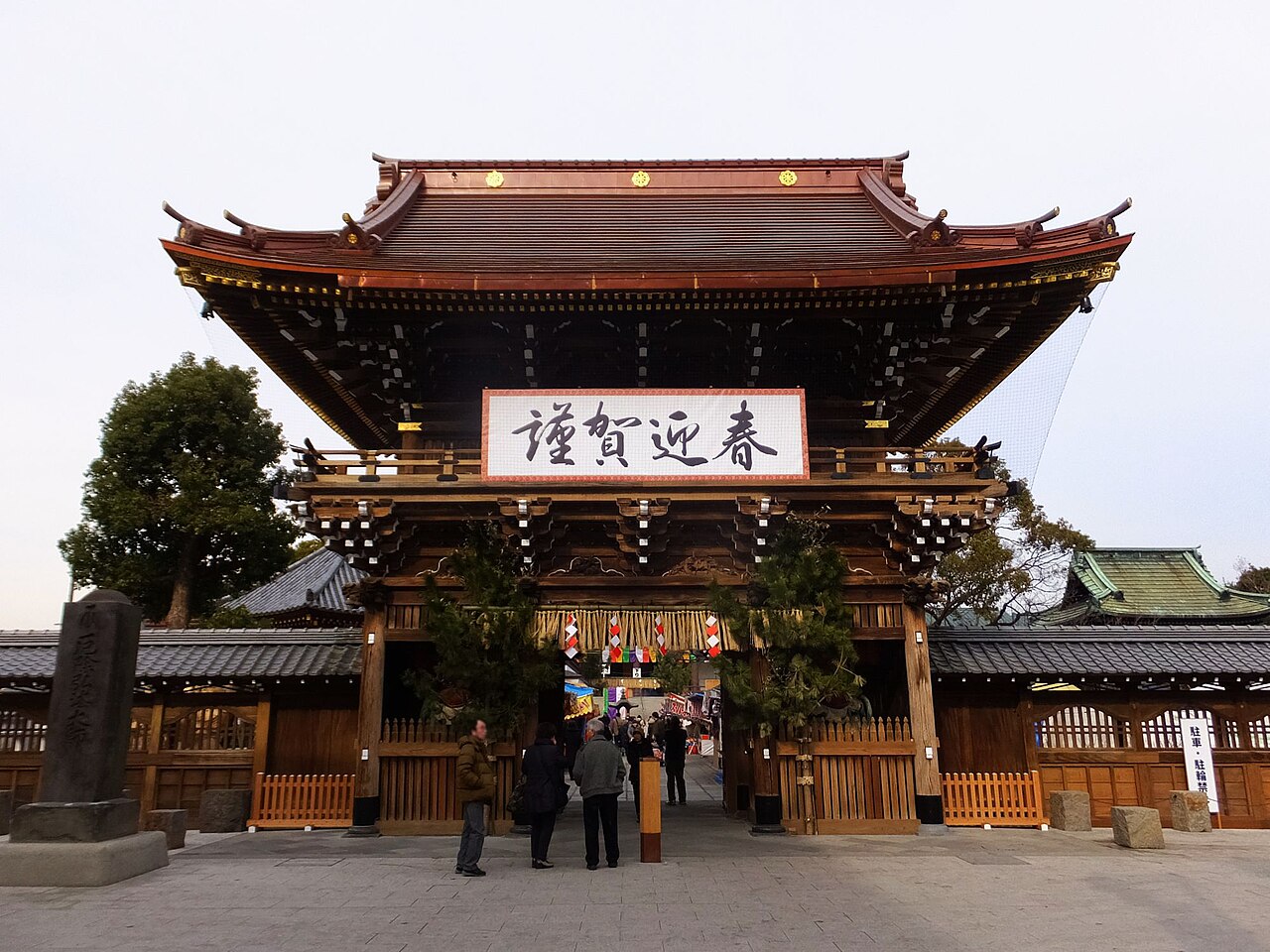
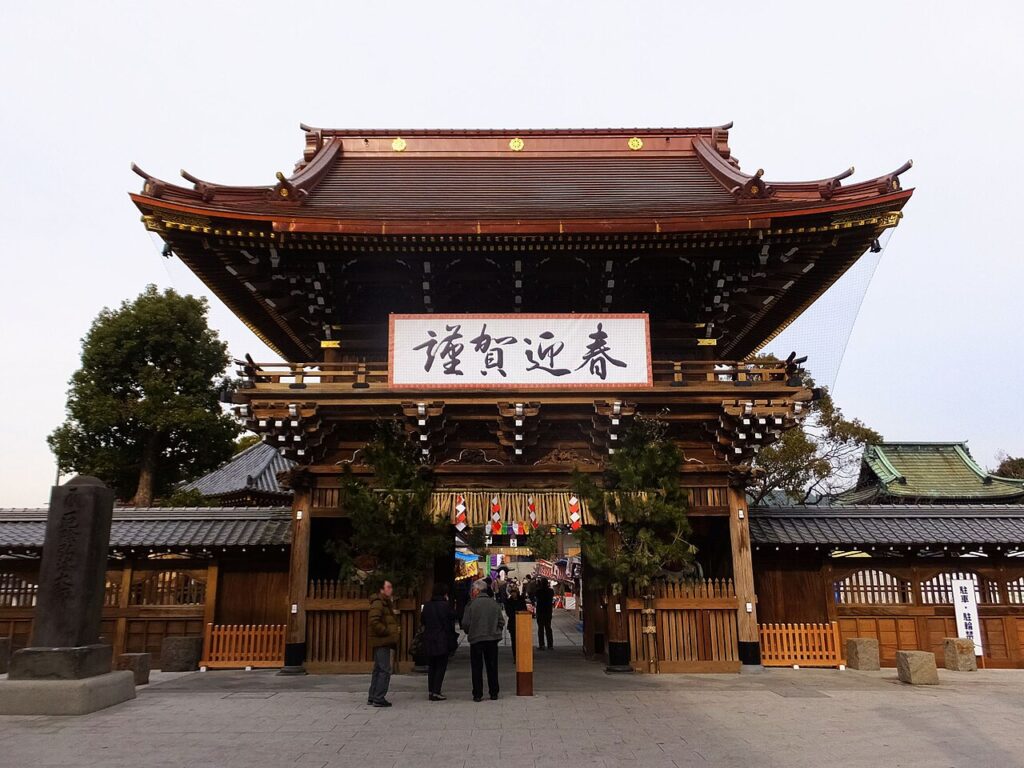
Enter through the large wooden Sanmon gate, slow down and remember that you are visiting a place of worship.
The statue slowly disappearing under salt
Just inside the gate is one of the temple’s strangest sights: the Shio Jizo, or Salt Jizo.
The statue can look less like a carved figure and more like a small geological event. It is covered in salt left by worshippers.
A local custom says the Jizo may help with warts and other skin troubles. Traditionally, a visitor takes some salt, rubs it on the affected area and, if the prayer is answered, returns twice as much salt.
This is a living folk practice, not a challenge to see how much seasoning one statue can survive. Observe respectfully, follow posted instructions and do not remove anything unless the temple currently permits it.
The main hall without the international tour groups
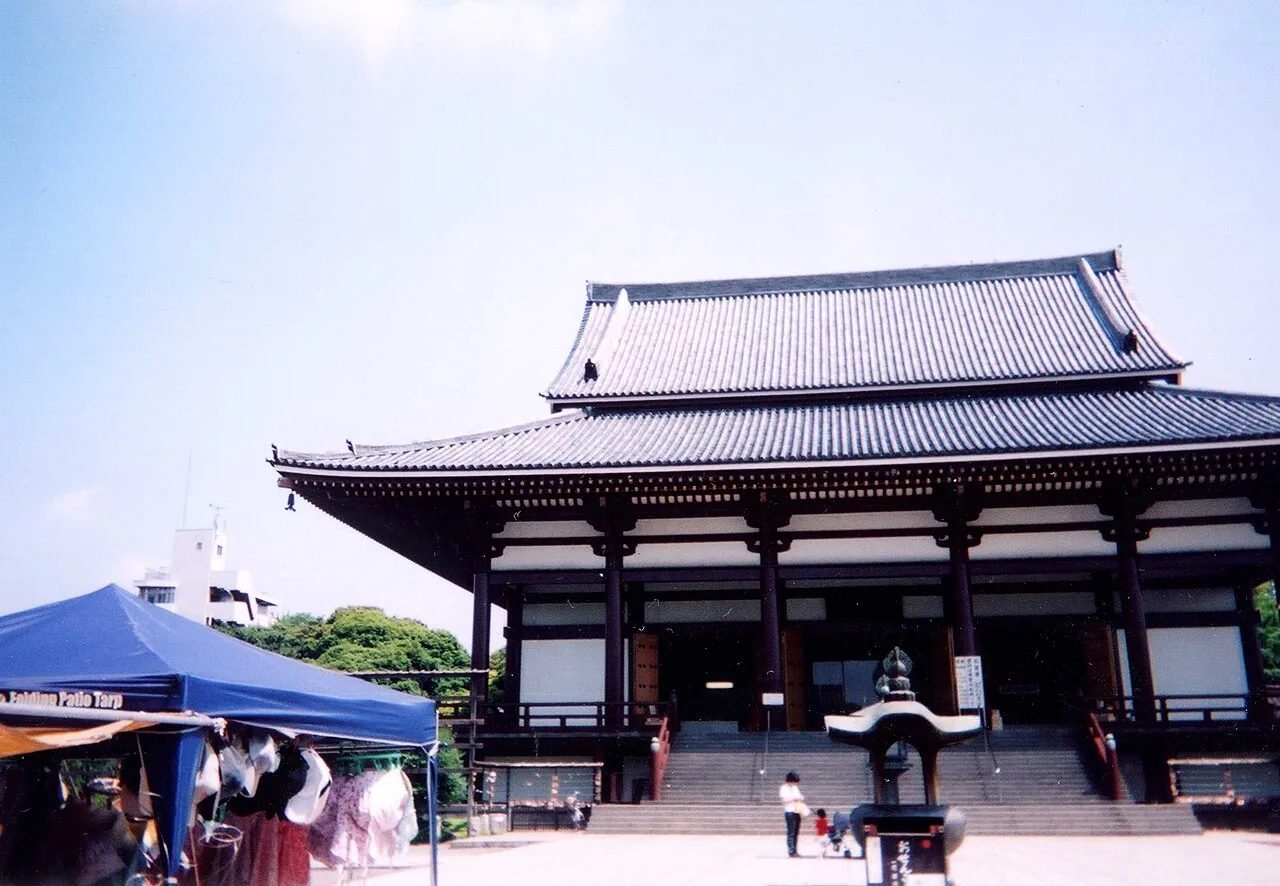
The main hall is large enough to make you wonder why Nishiarai Daishi appears on so few first-time Tokyo itineraries.
On ordinary weekdays, the spacious grounds can feel remarkably calm. Incense drifts across the courtyard. Local visitors stop briefly, bow, pray and continue with their day.
Come during New Year or a major festival and the atmosphere changes completely. The temple is also known for seasonal events, including a summer wind-chime festival and a February ceremony in which used daruma dolls are ritually burned.
If quiet is the goal, choose a normal weekday and avoid major event dates.
Eat the local temple snack
After visiting the grounds, return to the approach and order kusa dango.
The flavor of mugwort is grassy and slightly herbal. The red-bean paste brings the sweetness. It is not a dessert designed by a global brand’s Tokyo marketing department. It is the kind of food that makes sense because people have eaten it in this place for generations.
Different shops have different schedules and may sell out, so treat the choice as part of the walk rather than arriving for one guaranteed item.
A simple half-day route
- Nishiarai Station — transfer to the Tobu Daishi Line.
- Ride to Daishimae — enjoy all one kilometer of it.
- Temple approach — browse the local shops on the way in.
- Sanmon gate and Shio Jizo — enter quietly and look for the salt-covered statue.
- Main hall and temple grounds — allow 45–60 minutes.
- Kusa dango — finish with the neighborhood’s traditional sweet.
Allow two to three hours. The area works well as a slow morning before continuing to Kita-Senju, or as an afternoon escape from central Tokyo.
Before you go
- Location: 1-15-1 Nishi-Arai, Adachi City, Tokyo.
- Nearest station: Daishimae Station on the Tobu Daishi Line.
- Temple admission: Entry to the general grounds is usually free; individual prayers or activities may have fees.
- Best time: A non-festival weekday morning for the quietest experience.
- Photography: Follow signs and never photograph private ceremonies without permission.
- Current information: Check the temple and railway websites before visiting, as opening arrangements and transport facilities can change.
Nishiarai Daishi is not a secret. Local people have known it for twelve centuries.
It is only a secret to the version of Tokyo that tourists are usually shown.
The train to Nishiarai leaves from the line that starts at Kita-Senju, and Kita-Senju itself, the old post town with the standing-bar alleys, is the natural other half of the day.
Researched using current information from the official Nishiarai Daishi website, Tobu Railway, GO TOKYO and Adachi City, checked September 11, 2026. This is a researched neighborhood guide, not a firsthand visit report. Conditions may change.
The one tour nearby: there is no guided visit to Nishiarai Daishi, and it needs none. If you want a guide for the afternoon, the Tobu line starts at Kita-Senju, where a local roaster runs a three-hour specialty coffee walk (Viator, about ¥13,000, everything included, 5.0 from a handful of reviews); the temple in the morning and the coffee in the afternoon make a whole day out of Adachi. Kita-Senju, the post town →
If you want to do something in Adachi rather than only look at it: the ward has the only cooking class on the east side — udon in a house behind a temple in Senju, two stops away on the same line. Tokyo cooking classes by area →
Where this joins the rest of the east side
The Daishi line starts one stop up from Kita-Senju, the post town with the standing bars, which makes the natural second half of the day. The other temple-and-shrine oddities of the north are Akabane Hachiman and the Tokyo Daibutsu. If Shibamata’s Taishakuten is on your list, it is a direct bus from Kameari.
Quick answers
How do I get to Nishiarai Daishi?
Take the Tobu Skytree line to Nishiarai Station, change to the Tobu Daishi line, a one-kilometer, two-station shuttle, and get off at Daishimae, the terminus. The temple is a few minutes’ walk. Entry to the grounds is free.
What is the Salt Jizo at Nishiarai Daishi?
A Jizo statue inside the gate that worshippers cover in salt, a folk remedy for warts and skin troubles: rub salt on the affected spot, and if the prayer is answered return twice as much.
How old is Nishiarai Daishi?
Temple tradition dates it to 826, when the monk Kukai (Kobo Daishi) prayed for villagers during an epidemic and a new well appeared, giving the area its name. The temple marked 1,200 years in 2026.
What should I eat at Nishiarai Daishi?
Kusa dango, chewy rice dumplings flavored with mugwort and served with sweet bean paste, sold at shops on the approach from Daishimae Station.