Kizuku

  • Tokyo’s Two-Stop Train to a Temple Nobody Talks About

    Tokyo’s Two-Stop Train to a Temple Nobody Talks About

    This article contains affiliate links to booking sites. If you book through them, LOCAL SIDE JAPAN earns a small commission at no extra cost to you. The place itself is free and is described first. How this site is made →

    TOKYO / NISHIARAI / LOCAL TEMPLES

    Tokyo has built entire railway lines for commuters, suburbs, airports and shopping districts.

    It also has one that travels a single kilometer to a temple.

    The Tobu Daishi Line connects only two stations: Nishiarai and Daishimae. The ride is so short that sitting down can feel unnecessarily ambitious.

    At the end is Nishiarai Daishi, a major Buddhist temple surrounded by an old-fashioned neighborhood that receives far fewer international visitors than Tokyo’s famous temple districts.
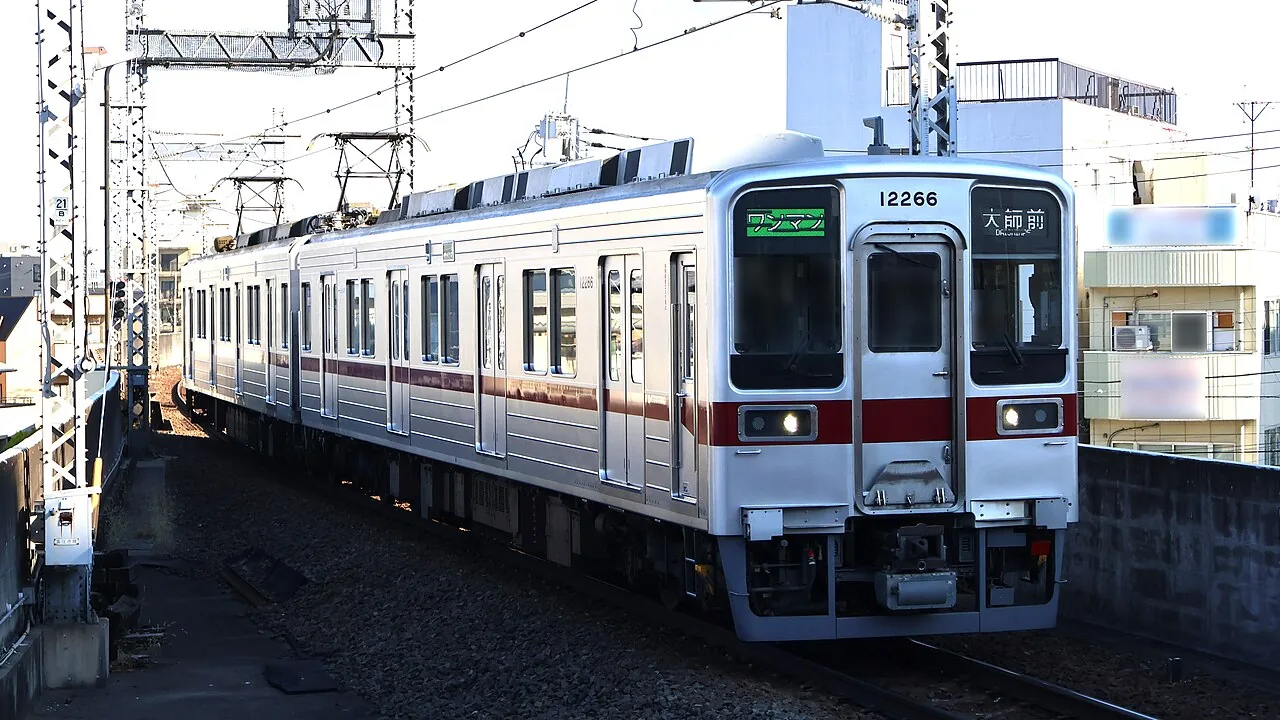
    A two-car Tobu Daishi Line train approaching Daishimae Station in Tokyo
    Tobu-railway-11266F-20260102-123355.jpg, photographed by LERK, Wikimedia Commons, CC BY-SA 4.0.

    Fast facts

    • Admission: Entry to the general grounds is usually free; individual prayers or activities may have fees
    • Address: 1-15-1 Nishi-Arai, Adachi City, Tokyo
    • Nearest: Daishimae Station, the terminus of the two-station Tobu Daishi line from Nishiarai
    • Time needed: About 2 to 3 hours for the temple and the approach

    A railway line that knows exactly what it is for

    Start at Nishiarai Station and follow the signs for the Daishi Line. According to Tobu Railway, the entire route is one kilometer long. There are no difficult decisions: the next station is also the last station.

    The two-car train runs back and forth between Nishiarai and Daishimae. It feels less like crossing Tokyo and more like being personally delivered to the temple.

    The line is a surviving fragment of a much larger railway idea. Daishimae Station originally opened as part of a proposed connection between Tobu’s eastern and western networks. The grand connection never arrived. The tiny temple train stayed.

    Tokyo is full of infrastructure designed for millions of people. This one feels designed for you and six local grandmothers.

    The station opens into a different rhythm

    Daishimae Station does not release you into neon, giant screens or a scramble crossing. You emerge beside a neighborhood of low buildings, small shops and signs pointing toward the temple.

    The walk to Nishiarai Daishi takes only a few minutes. Along the way, look for shops selling kusa dango—chewy rice dumplings colored and lightly flavored with Japanese mugwort. They are served with sweet red-bean paste and have long been associated with temple visits here.

    This is not a carefully manufactured “old Tokyo” district. The shops close when they close. The street may be quiet. A bicycle may be parked exactly where your photograph would have looked perfect.

    That is the point.
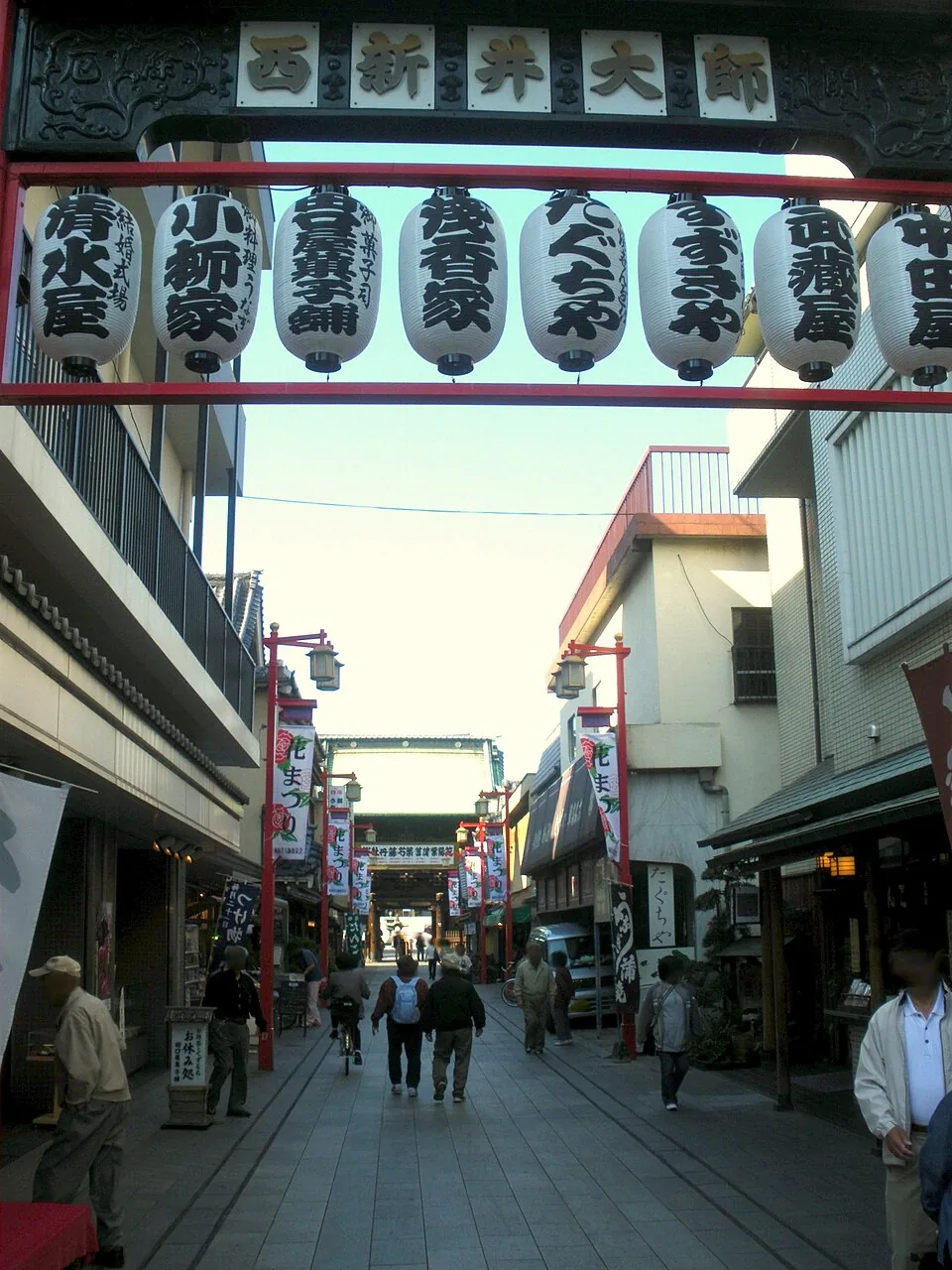
    The traditional approach leading to Nishiarai Daishi temple in Adachi, Tokyo
    The approach to Nishiarai Daishi. Photo: Kentin / Wikimedia Commons, CC BY-SA 3.0.

    A temple founded to fight an epidemic

    Nishiarai Daishi’s official history dates its foundation to 826. According to temple tradition, the Buddhist monk Kukai—also known as Kobo Daishi—encountered villagers suffering during an epidemic.

    He carved sacred images and performed prayers for 21 days. Water then appeared from a dry well west of the hall, and the villagers recovered. The “new well” on the west side is said to have given the area its name: Nishi-arai.

    In 2026, the temple marked 1,200 years since its founding. The grounds remain active rather than frozen as a historical exhibit. People come for prayer, memorial services, seasonal flowers and family ceremonies.

    Enter through the large wooden Sanmon gate, slow down and remember that you are visiting a place of worship.
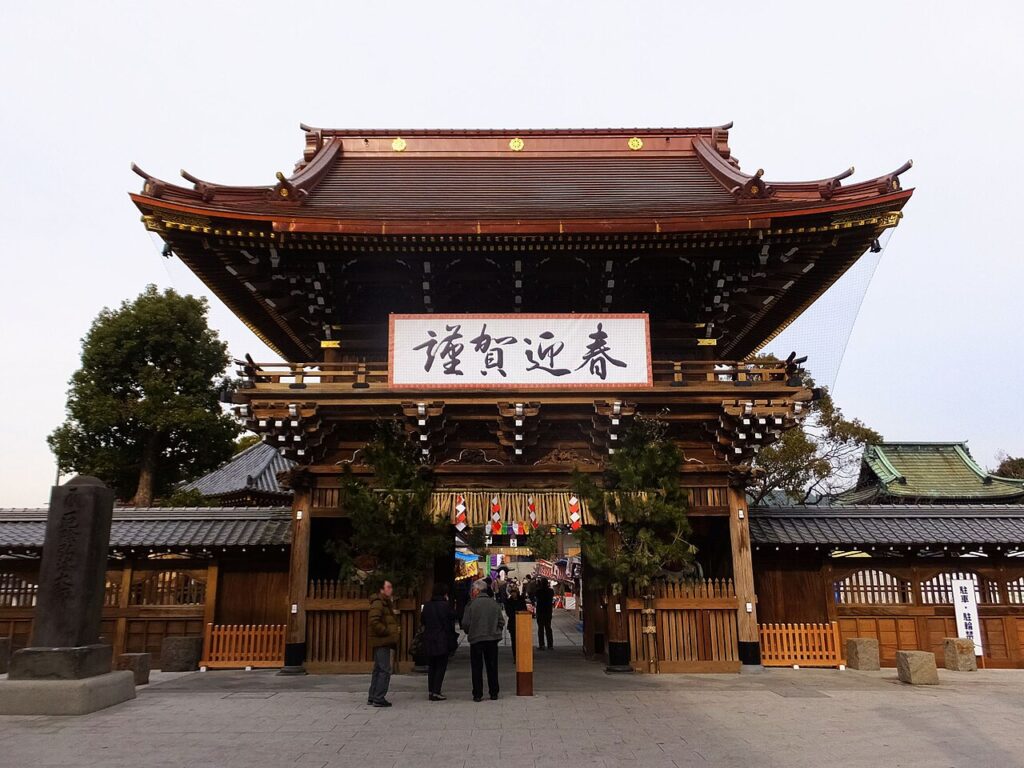
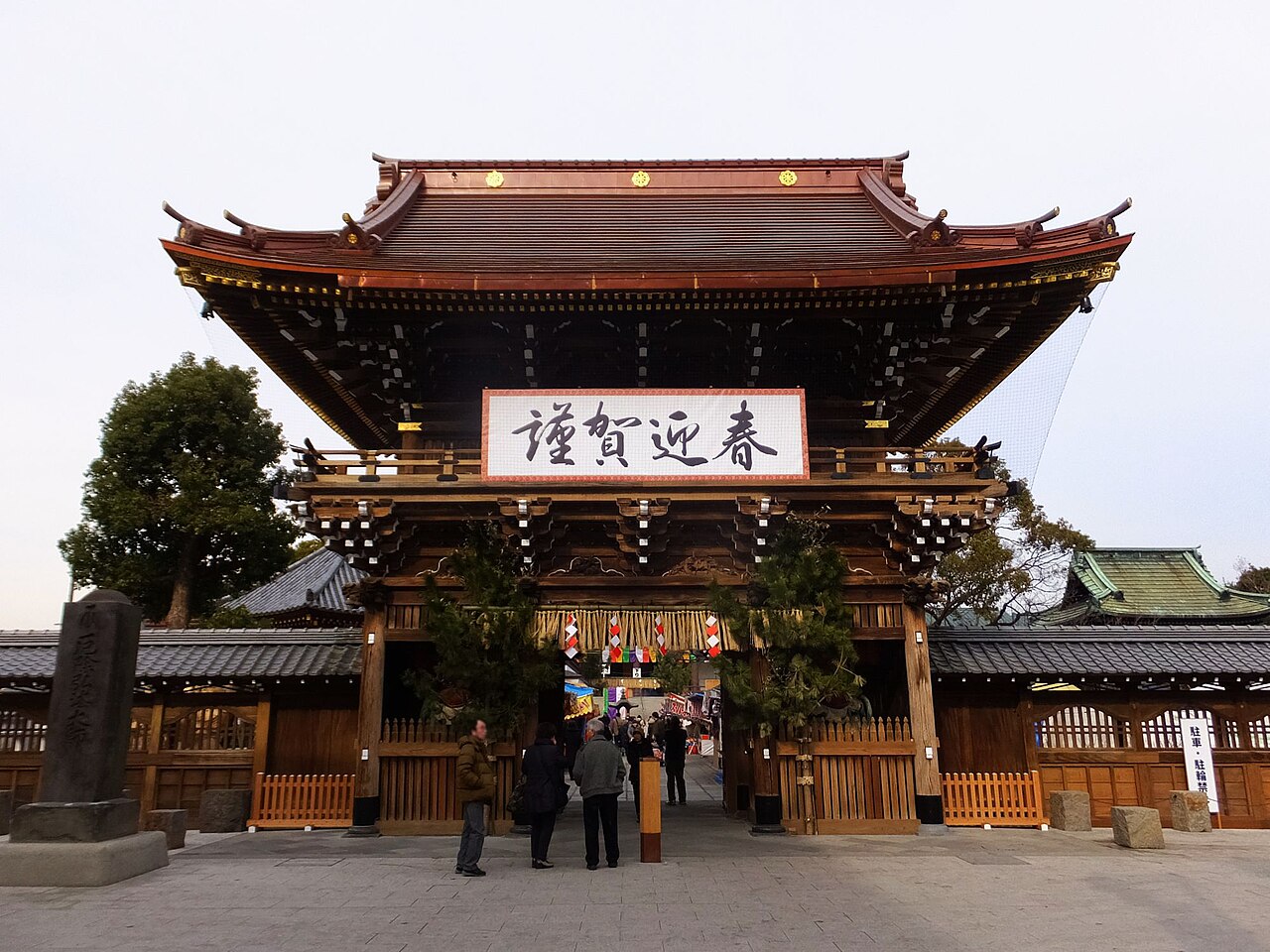
    The Sanmon gate
    The Sanmon gate. Photo: Tak1701d / Wikimedia Commons, CC BY-SA 3.0.

    The statue slowly disappearing under salt

    Just inside the gate is one of the temple’s strangest sights: the Shio Jizo, or Salt Jizo.

    The statue can look less like a carved figure and more like a small geological event. It is covered in salt left by worshippers.

    A local custom says the Jizo may help with warts and other skin troubles. Traditionally, a visitor takes some salt, rubs it on the affected area and, if the prayer is answered, returns twice as much salt.

    This is a living folk practice, not a challenge to see how much seasoning one statue can survive. Observe respectfully, follow posted instructions and do not remove anything unless the temple currently permits it.

    The main hall without the international tour groups

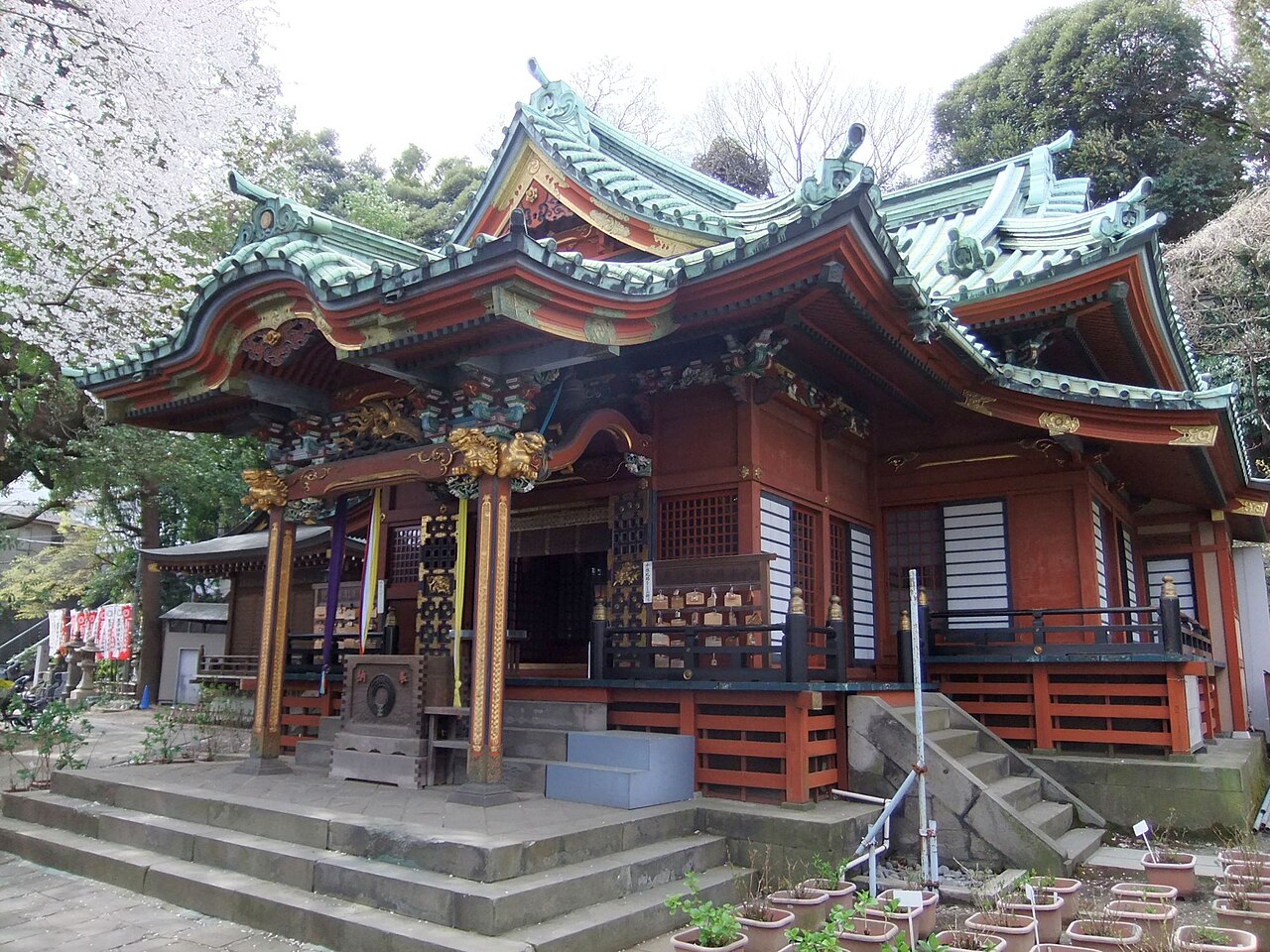
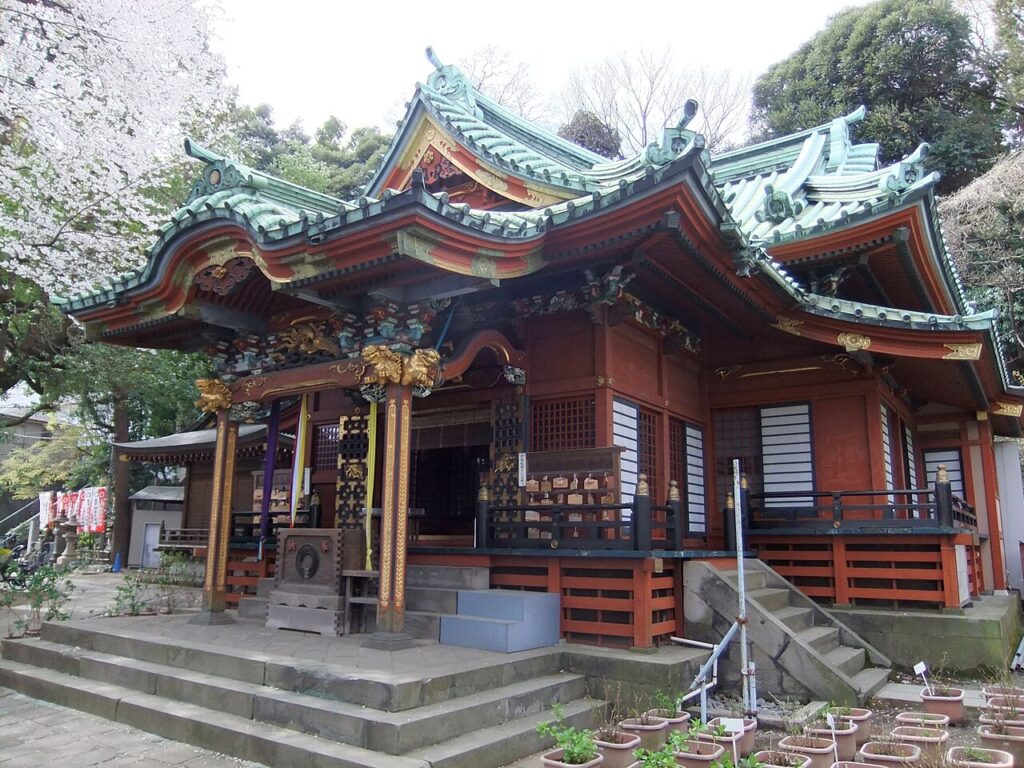
    The main hall is large enough to make you wonder why Nishiarai Daishi appears on so few first-time Tokyo itineraries.

    On ordinary weekdays, the spacious grounds can feel remarkably calm. Incense drifts across the courtyard. Local visitors stop briefly, bow, pray and continue with their day.

    Come during New Year or a major festival and the atmosphere changes completely. The temple is also known for seasonal events, including a summer wind-chime festival and a February ceremony in which used daruma dolls are ritually burned.

    If quiet is the goal, choose a normal weekday and avoid major event dates.
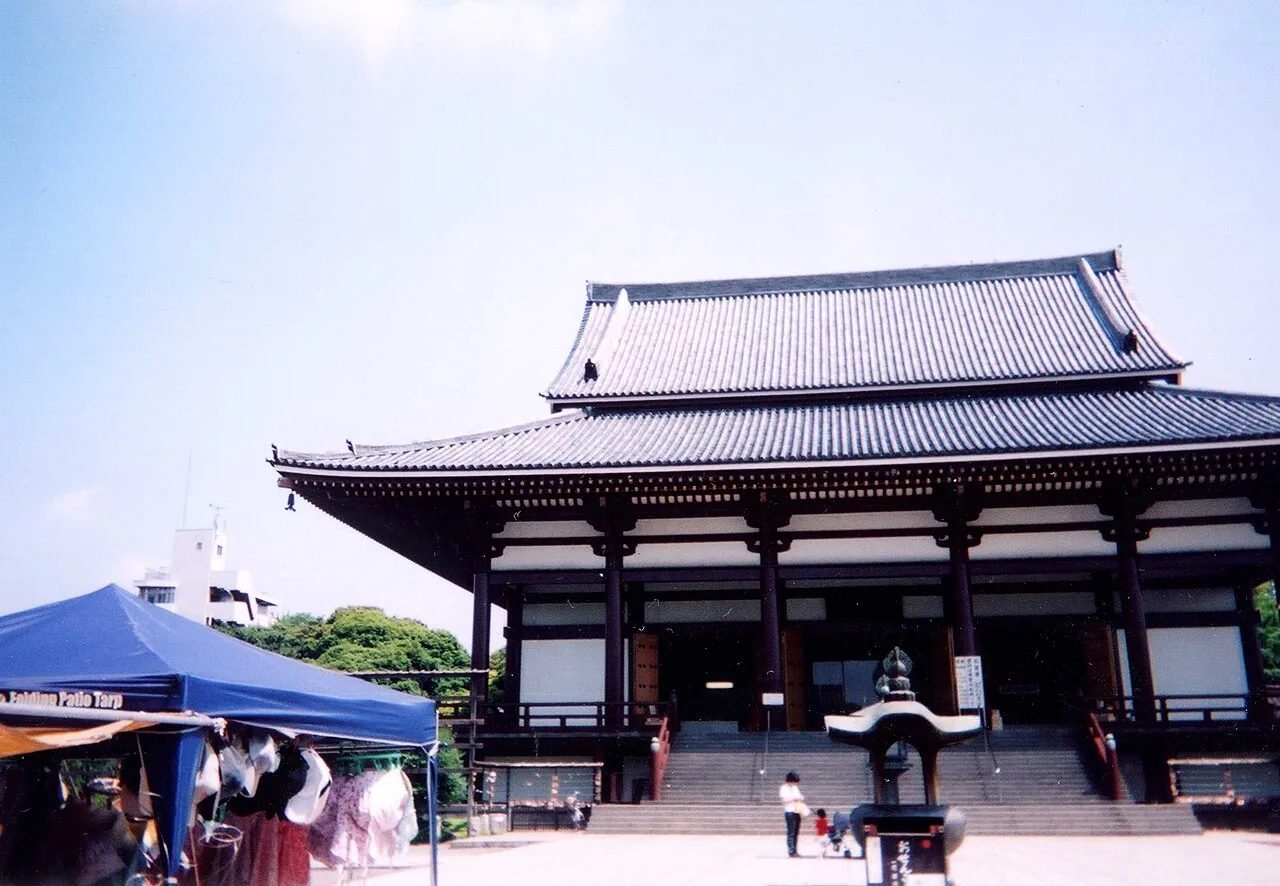
    The main hall and open courtyard of Nishiarai Daishi temple in Tokyo
    The main hall of Nishiarai Daishi. Photo: Kentin / Wikimedia Commons, CC BY-SA 2.1 Japan.

    Eat the local temple snack

    After visiting the grounds, return to the approach and order kusa dango.

    The flavor of mugwort is grassy and slightly herbal. The red-bean paste brings the sweetness. It is not a dessert designed by a global brand’s Tokyo marketing department. It is the kind of food that makes sense because people have eaten it in this place for generations.

    Different shops have different schedules and may sell out, so treat the choice as part of the walk rather than arriving for one guaranteed item.

    A simple half-day route

    1. Nishiarai Station — transfer to the Tobu Daishi Line.
    2. Ride to Daishimae — enjoy all one kilometer of it.
    3. Temple approach — browse the local shops on the way in.
    4. Sanmon gate and Shio Jizo — enter quietly and look for the salt-covered statue.
    5. Main hall and temple grounds — allow 45–60 minutes.
    6. Kusa dango — finish with the neighborhood’s traditional sweet.

    Allow two to three hours. The area works well as a slow morning before continuing to Kita-Senju, or as an afternoon escape from central Tokyo.

    Before you go

    • Location: 1-15-1 Nishi-Arai, Adachi City, Tokyo.
    • Nearest station: Daishimae Station on the Tobu Daishi Line.
    • Temple admission: Entry to the general grounds is usually free; individual prayers or activities may have fees.
    • Best time: A non-festival weekday morning for the quietest experience.
    • Photography: Follow signs and never photograph private ceremonies without permission.
    • Current information: Check the temple and railway websites before visiting, as opening arrangements and transport facilities can change.

    Nishiarai Daishi is not a secret. Local people have known it for twelve centuries.

    It is only a secret to the version of Tokyo that tourists are usually shown.

    The train to Nishiarai leaves from the line that starts at Kita-Senju, and Kita-Senju itself, the old post town with the standing-bar alleys, is the natural other half of the day.


    Researched using current information from the official Nishiarai Daishi website, Tobu Railway, GO TOKYO and Adachi City, checked September 11, 2026. This is a researched neighborhood guide, not a firsthand visit report. Conditions may change.

    The one tour nearby: there is no guided visit to Nishiarai Daishi, and it needs none. If you want a guide for the afternoon, the Tobu line starts at Kita-Senju, where a local roaster runs a three-hour specialty coffee walk (Viator, about ¥13,000, everything included, 5.0 from a handful of reviews); the temple in the morning and the coffee in the afternoon make a whole day out of Adachi. Kita-Senju, the post town →

    If you want to do something in Adachi rather than only look at it: the ward has the only cooking class on the east side — udon in a house behind a temple in Senju, two stops away on the same line. Tokyo cooking classes by area →

    Where this joins the rest of the east side

    The Daishi line starts one stop up from Kita-Senju, the post town with the standing bars, which makes the natural second half of the day. The other temple-and-shrine oddities of the north are Akabane Hachiman and the Tokyo Daibutsu. If Shibamata’s Taishakuten is on your list, it is a direct bus from Kameari.

    Quick answers

    How do I get to Nishiarai Daishi?

    Take the Tobu Skytree line to Nishiarai Station, change to the Tobu Daishi line, a one-kilometer, two-station shuttle, and get off at Daishimae, the terminus. The temple is a few minutes’ walk. Entry to the grounds is free.

    What is the Salt Jizo at Nishiarai Daishi?

    A Jizo statue inside the gate that worshippers cover in salt, a folk remedy for warts and skin troubles: rub salt on the affected spot, and if the prayer is answered return twice as much.

    How old is Nishiarai Daishi?

    Temple tradition dates it to 826, when the monk Kukai (Kobo Daishi) prayed for villagers during an epidemic and a new well appeared, giving the area its name. The temple marked 1,200 years in 2026.

    What should I eat at Nishiarai Daishi?

    Kusa dango, chewy rice dumplings flavored with mugwort and served with sweet bean paste, sold at shops on the approach from Daishimae Station.
    Written by Kizuku. I run the Sunamachi Ginza Sumo Stable, a sumo experience in Koto City, and I write about the east side of Tokyo I live and work in. More about this site →

  • Tokyo’s Fox Town: A Strange Little Day in Oji

    Tokyo’s Fox Town: A Strange Little Day in Oji

    This article may contain affiliate links to booking sites. If you book through them, LOCAL SIDE JAPAN earns a small commission at no extra cost to you. How this site is made →

    TOKYO / OJI / FOX LEGENDS

    Tokyo has a fox town.

    It has a shrine reached by creatures in disguise, a tiny free “mountain railway,” one of the city’s last streetcars and a river park hidden below the station.

    It is called Oji. Most visitors pass through without getting off. That is their mistake—and your quieter afternoon.

    Oji Inari Shrine
    Oji Inari Shrine. Photo: Tak1701d / Wikimedia Commons, CC BY-SA 3.0.

    A Tokyo neighborhood with a fox problem

    Not a real fox problem. A legendary one.

    An old story says that foxes from across the Kanto region gathered beneath a large hackberry tree on New Year’s Eve. There, they dressed themselves before visiting Oji Inari Shrine for the first prayer of the year.

    Utagawa Hiroshige turned the scene into a famous woodblock print: foxes under a dark tree, surrounded by small flames. The lights were said to be kitsunebi—fox fire.

    The legend is still part of the neighborhood. On New Year’s Eve, people wearing fox masks and traditional clothing carry lanterns from Shozoku Inari Shrine to Oji Inari Shrine. For the rest of the year, the streets are much calmer. The foxes, presumably, are working remotely.

    Start beside the station, below street level

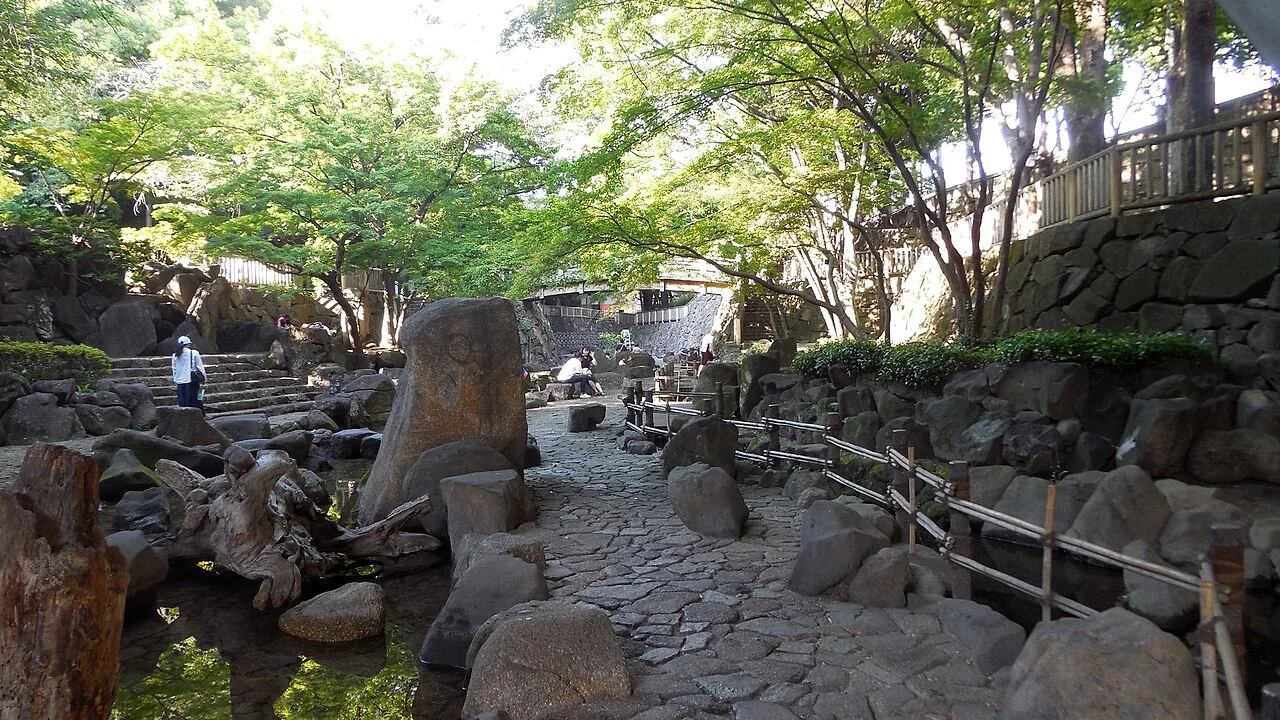
    Leave Oji Station and look for Otonashi Shinsui Park. It sits in the old course of the Shakujii River, tucked below the roads and railway tracks.

    Wooden bridges, stone banks and a waterwheel give it the atmosphere of a miniature riverside village. Trains pass close by, but down here the city seems to lower its voice.

    In spring, cherry blossoms frame the water. In summer, the shade makes it a useful escape from Tokyo’s impression of a reasonable temperature.

    A wooden bridge and stone-lined stream in Otonashi Shinsui Park, Oji
    Otonashi Shinsui Park, just beside Oji Station. Photo: Souka Kinmei / Wikimedia Commons, CC0.

    Follow the foxes to Oji Inari Shrine

    From the station, Oji Inari Shrine is roughly an eight-minute walk. Its vermilion buildings sit above a residential street, away from Tokyo’s usual sightseeing conveyor belt.

    The shrine has deep roots and was historically regarded as an important center of Inari worship in the Kanto region. Inari is associated with rice, prosperity and business; foxes are considered the deity’s messengers, not the deity itself.

    That distinction may not help when you are standing among fox statues, fox plaques and fox imagery. The neighborhood has committed to the theme.

    Visit quietly and remember that this is an active place of worship, not a film set. Opening arrangements can change, especially around events, so check the latest information before making a special trip.

    A waterfall garden with very little publicity

    A short walk away is Nanushinotaki Park, a landscape garden built around a natural slope and waterfalls.

    It feels oddly detached from the surrounding city: stone paths, dense trees, ponds and the sound of falling water. You may encounter local walkers, someone reading on a bench and almost nobody attempting to sell you a “samurai experience.”

    The park has gates and operating hours, and parts of the water features may occasionally be suspended for maintenance. Check Kita City’s current notice before visiting.

    Ride Tokyo’s tiny free mountain railway

    Back near Oji Station, cross to Asukayama Park. The hill has been a public leisure spot since the time of the eighth Tokugawa shogun, Yoshimune, who had cherry trees planted here for ordinary Edo residents to enjoy.

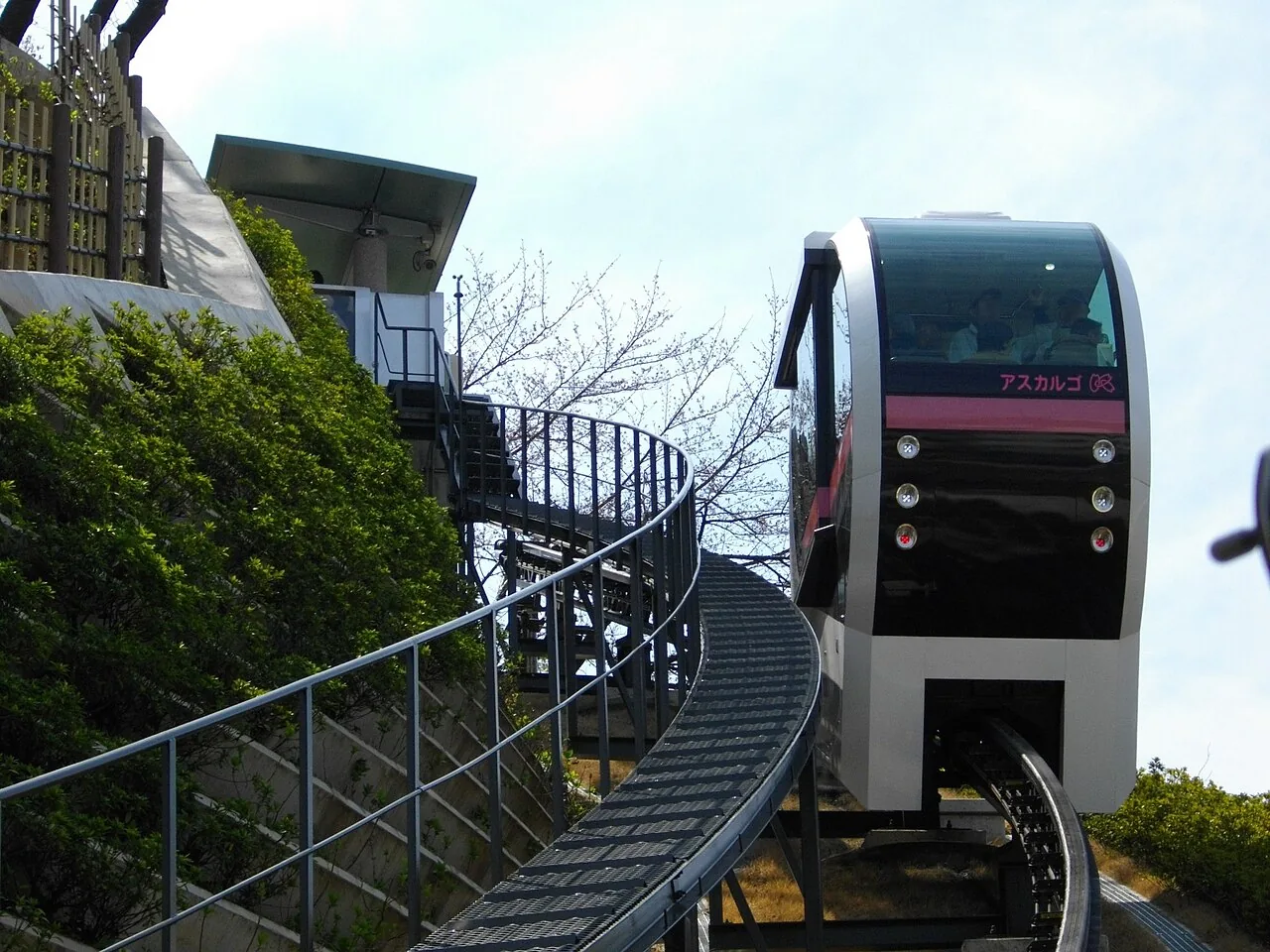
    You can walk up. Or you can take the Asuka Park Rail, affectionately called the Ascargot.

    The free, driverless car travels only 48 meters, climbs about 18 meters and takes roughly two minutes. It looks like a snail and moves with the confidence of one.

    Is it necessary? No. Is it delightful? Completely.

    The Ascargot monorail climbing the slope at Asukayama Park in Oji
    The two-minute Ascargot ride to Asukayama Park. Photo: Abasaa / Wikimedia Commons, public domain.

    End the walk with a streetcar

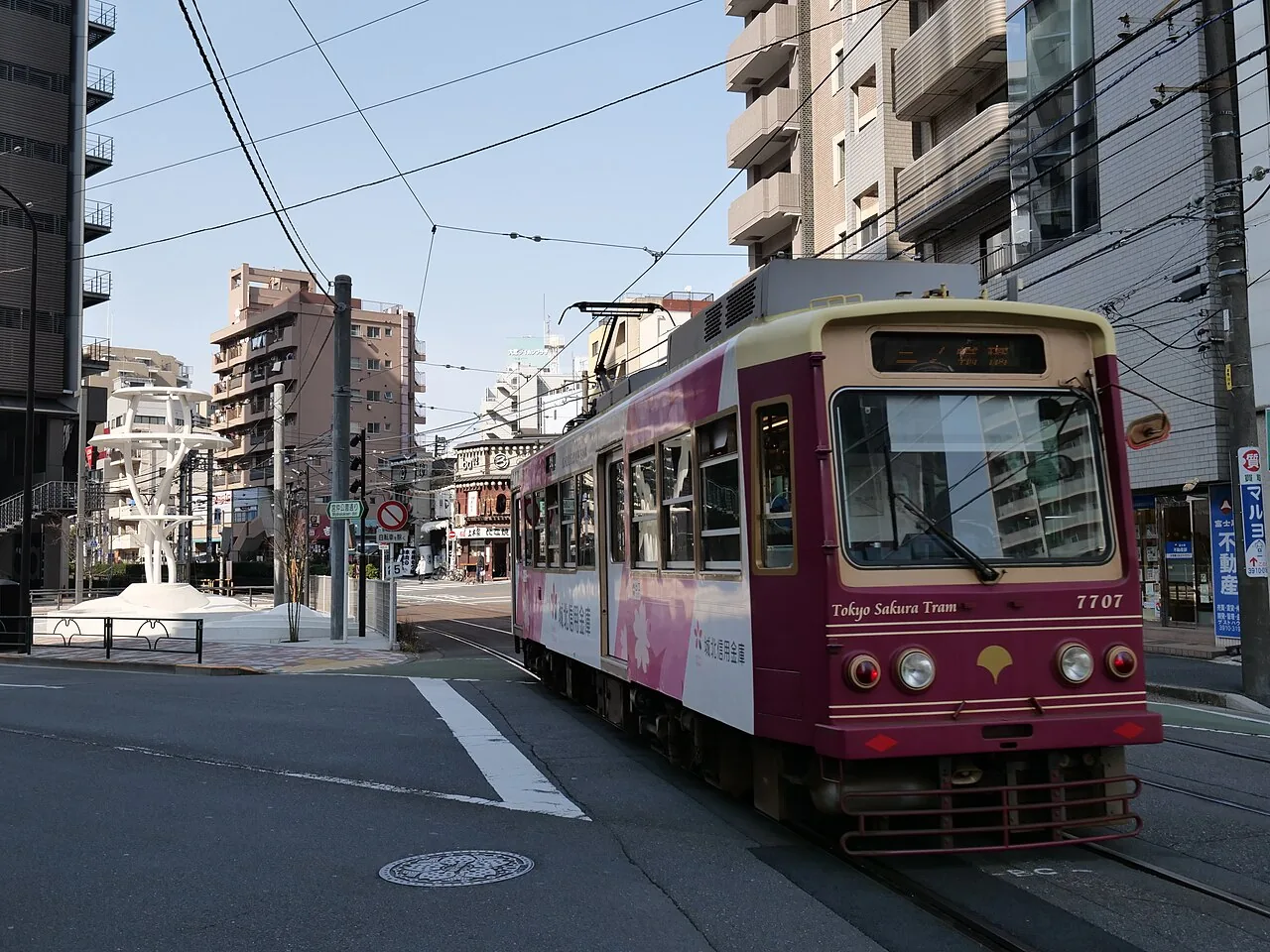
    Tokyo once had an enormous tram network. Most of it disappeared as cars and subways took over, but the Tokyo Sakura Tram—also known as the Toden Arakawa Line—survived.

    At Oji, the little tram emerges into regular traffic and runs beside Asukayama Park. Board at Oji-ekimae or Asukayama and continue the day toward old-school neighborhoods such as Kajiwara, Arakawa or Minowa.

    It is public transport, not a theme-park ride. That is exactly why it belongs in this story.

    A Tokyo Sakura Tram traveling along the Toden Arakawa Line
    Tokyo Sakura Tram, one of Tokyo’s last surviving streetcar lines. Photo: Drivephotographer / Wikimedia Commons, CC0.

    A simple Oji walking route

    1. Oji Station — start from the JR or Tokyo Metro station.
    2. Otonashi Shinsui Park — 15–25 minutes.
    3. Oji Shrine — a quick, quiet stop beside the park.
    4. Oji Inari Shrine — follow the neighborhood’s fox story.
    5. Nanushinotaki Park — allow 20–30 minutes when open.
    6. Asukayama Park and the Ascargot — return toward the station.
    7. Tokyo Sakura Tram — ride onward instead of retracing your steps.

    Allow around three hours at an easy pace, longer if you visit one of Asukayama Park’s museums or stop for lunch.

    Before you go

    • Best for: local history, unusual transport, shrines and slow neighborhood walks.
    • Nearest station: Oji Station on the JR Keihin-Tohoku Line and Tokyo Metro Namboku Line.
    • Cost: The parks, shrine grounds and Ascargot are generally free; tram fare and museum admission are separate.
    • Best time: Weekday mornings or late afternoons. Cherry-blossom season is beautiful but no longer qualifies as quiet.
    • Important: Check current opening times, closures and event restrictions on official websites.

    Oji is not hidden because it is difficult to reach. It is hidden because Tokyo gives visitors so many louder instructions.

    Ignore them for an afternoon. Follow the foxes instead.


    Researched using current information from GO TOKYO, GO TOKYO’s Oji Inari Shrine guide, Tokyo Metropolitan Bureau of Transportation and Kita City, checked September 11, 2026. This is a researched neighborhood guide, not a firsthand visit report. Conditions may change.

    Where this joins the rest of the east side

    Oji is one stop from Akabane Hachiman and its Shinkansen tunnel and one from JR Itabashi, where Kondo Isami’s grave is beside the station. The Toden streetcar from Oji runs east to Minowa, for Jokanji and the edge of Yoshiwara.

    Quick answers

    What is there to do in Oji, Tokyo?

    Oji Inari Shrine (the fox shrine of Hiroshige’s print), Otonashi Shinsui Park in the old riverbed beside the station, Nanushinotaki waterfall garden, Asukayama Park with its free ‘Ascargot’ hillside railway, and the Toden Arakawa streetcar. All free.

    How do I get to Oji?

    JR Keihin-Tohoku line or Namboku subway line to Oji Station, about 15 minutes from Tokyo Station or Ueno. The Toden Arakawa tram also stops at Oji-ekimae.

    What is the Asukayama monorail?

    The Asuka Park Rail, nicknamed Ascargot, a free driverless car that climbs 18 meters over 48 meters of track in about two minutes from beside Oji Station to the top of Asukayama Park.

    When is the Oji fox parade?

    On New Year’s Eve, when people in fox masks carry lanterns from Shozoku Inari Shrine to Oji Inari Shrine, re-enacting the legend of the foxes gathering under the hackberry tree.

    Written by Kizuku. I run the Sunamachi Ginza Sumo Stable, a sumo experience in Koto City, and I write about the east side of Tokyo I live and work in. More about this site →

  • fcFA: The Football Shop That Could Hijack Your Tokyo Skytree Plans

    fcFA: The Football Shop That Could Hijack Your Tokyo Skytree Plans

    This article may contain affiliate links to booking sites. If you book through them, LOCAL SIDE JAPAN earns a small commission at no extra cost to you. How this site is made →

    TOKYO / OSHIAGE / LOCAL SHOPS

    The plan is simple: see Tokyo Skytree, take a few photos, find lunch.

    Then someone in your group discovers a football shop nearby. Suddenly, lunch has entered stoppage time.

    That shop is fcFA, a specialist in international football shirts, clothing and fan merchandise in Oshiage. For anyone who can identify a season by a shirt sponsor, it deserves a place on the itinerary.

    The entrance of the fcFA Uniform Store in Oshiage, Tokyo
    The fcFA Uniform Store in Oshiage. Photo courtesy of fcFA.

    Fast facts

    • Address: Vera Heights Oshiage 1F, 1-48-2 Oshiage, Sumida City, Tokyo
    • Hours: 11:00–18:00. Check the shop’s announcements for closing days before a special trip
    • Nearest: Oshiage Station, exits B3 or A1, about 3 minutes on foot — next to Tokyo Skytree

    Three shops. One very optimistic browsing estimate.

    fcFA’s official store guide describes three nearby stores, with a road between them:

    • Uniform Store: Club and national-team shirts, training wear and selected vintage jerseys.
    • Original Store: Fan merchandise, including scarves, keyrings, mugs and other accessories. Japan national-team shirts and goods are also part of the selection.
    • RE-TAKE Store: T-shirts and hoodies from the British football-inspired clothing brand.

    Our suggestion: allow 30–60 minutes. If you collect shirts, negotiate that estimate with your travel companions before entering.

    Inside the Uniform Store. Photo courtesy of fcFA
    Inside the Uniform Store. Photo courtesy of fcFA.

    Why browse football shirts in Japan?

    Because your interests travel with you. You can spend the morning looking at Tokyo’s skyline and the afternoon enjoying the same unreasonable attachment to a club badge that you brought from home.

    A specialist shop gives a neighborhood visit a personal purpose. For one traveler, that might be pottery or records. For another, it is a shirt that immediately brings back a particular match.

    There is a practical reason to look in person, too: fcFA’s FAQ says the physical shop carries items that are not listed online. Stock changes, so treat the visit as a browse rather than a promise that one particular shirt will be waiting.

    A souvenir you might actually wear

    Start with Japan national-team merchandise if you want a football connection to the trip. Or browse by color, design and what you would enjoy wearing at home.

    Buying a shirt does not require a presentation on the club’s midfield problems. Traveling with someone who supports that club may result in one anyway.

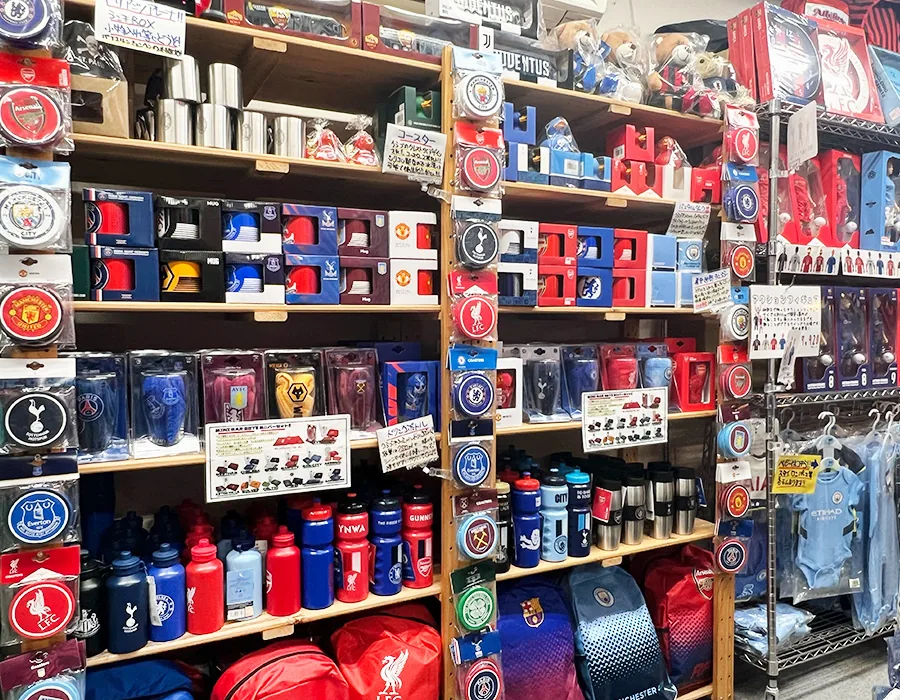
    Football club souvenirs and accessories inside the fcFA Original Store
    Club goods inside the Original Store. Photo courtesy of fcFA.
    Football-inspired clothing displayed inside the fcFA RE-TAKE Store
    Football-inspired clothing in the RE-TAKE Store. Photo courtesy of fcFA.

    Can you watch a Japanese football match while you are here?

    Yes, and this is the part most people in a football shop have not thought about. Tokyo Metropolis has three J1 clubs — FC Tokyo and Tokyo Verdy, who share Ajinomoto Stadium in Chofu, and Machida Zelvia out at Machida GION Stadium — and a ticket costs less than the shirt you are holding.

    One thing has just changed and most guidebooks still have it wrong. The J.League moved to a European-style autumn-to-spring calendar in August 2026, after thirty-three years of running February to December. The 2026–27 J1 season runs 7 August 2026 to 6 June 2027, so if you are in Tokyo any time from late summer through to early summer, there is football on. Autumn and spring are the comfortable months for it; midwinter in an open stadium is its own decision.

    The catch is the buying. Japanese clubs sell through their own Japanese-language ticket sites, seats go on general sale roughly two to four weeks before kick-off, and the stadiums are cashless. If you are reading this on your phone in Oshiage with four days left in Japan, that is a lot of friction for one afternoon.

    The way round it is a match with a local fan, ticket included: about US$82, four hours, an English-speaking guide who meets you in Shibuya and takes you out to Ajinomoto Stadium, and Klook lists it at 5.0 from 26 reviews with over 200 booked. You are paying roughly double the face value of the seat for someone who knows which train, which gate, which end the singing is at and what to order. Worth it for one game in a country where you cannot read the ticket site; not worth it if you have been to a J-League match before.

    Note that Ajinomoto Stadium is in Chofu, forty minutes west of Shinjuku, and holds about 48,000, so this is a half-day and not something to bolt onto a Skytree morning. Check the fixture list first — the stadium hosts both FC Tokyo and Tokyo Verdy, so the club you see depends on the date — and plan the day around the kick-off, not the other way round. Klook was also selling FC Tokyo tickets on their own without a guide; as of October 9, 2026 that listing shows as currently unavailable, so the guided one is the option that actually exists.

    Plan your visit

    • Address: Vera Heights Oshiage 1F, 1-48-2 Oshiage, Sumida City, Tokyo.
    • Access: About three minutes on foot from Oshiage Station exits B3 or A1, according to the store guide.
    • Listed hours: 11:00–18:00. Check the shop’s latest announcements for opening days and temporary changes.
    • Specific item in mind? Ask about current stock and sizes before making a special trip.

    Official store guide and access map

    Keep Skytree on the itinerary. Just leave enough room underneath it for your own interests — and if you have not bought the tower ticket yet, the official prices, and the ¥500 nobody mentions, are worth five minutes before you queue.

    Related: Edo Kiriko: the glass Sumida still cuts by hand, and the ¥4,400 way to try it.


    Researched using fcFA’s official store guide and FAQ, checked September 11, 2026. This article is a researched introduction, not a firsthand shopping report. Product availability and opening arrangements may change.

    Where this joins the rest of the east side

    fcFA is at the start of the Sumida River walk from the Skytree to Senso-ji. Ten minutes east is Kyojima’s Kirakira Tachibana shopping street, and the Edo Kiriko glass workshop is two stops away. For the whole ward in one page, things to do in Sumida City beyond the Skytree.

    Quick answers

    Where is fcFA?

    Vera Heights Oshiage 1F, 1-48-2 Oshiage, Sumida City, about three minutes on foot from Oshiage Station exits B3 or A1, next to Tokyo Skytree. Three stores: Uniform, Original and RE-TAKE.

    What does fcFA sell?

    Club and national-team football shirts, training wear, selected vintage jerseys, Japan national-team goods, scarves and accessories, and RE-TAKE football-inspired clothing. The physical shops carry items not listed online.

    What are fcFA’s opening hours?

    Listed hours are 11:00 to 18:00; check the shop’s latest announcements for closing days before making a special trip.

    Written by Kizuku. I run the Sunamachi Ginza Sumo Stable, a sumo experience in Koto City, and I write about the east side of Tokyo I live and work in. More about this site →

  • Kyojima, Tokyo: A Slow Walk Through Kirakira Tachibana Shopping Street

    Kyojima, Tokyo: A Slow Walk Through Kirakira Tachibana Shopping Street

    This article contains affiliate links to booking sites. If you book through them, LOCAL SIDE JAPAN earns a small commission at no extra cost to you. The place itself is free and is described first. How this site is made →

    TOKYO / KYOJIMA / LOCAL WALKS

    You have photographed Tokyo from above. Now give it a couple of hours at street level.

    East of Tokyo Skytree, Kyojima offers a smaller-scale way to explore the city: a neighborhood shopping street, something good to take away, and time to follow your curiosity.

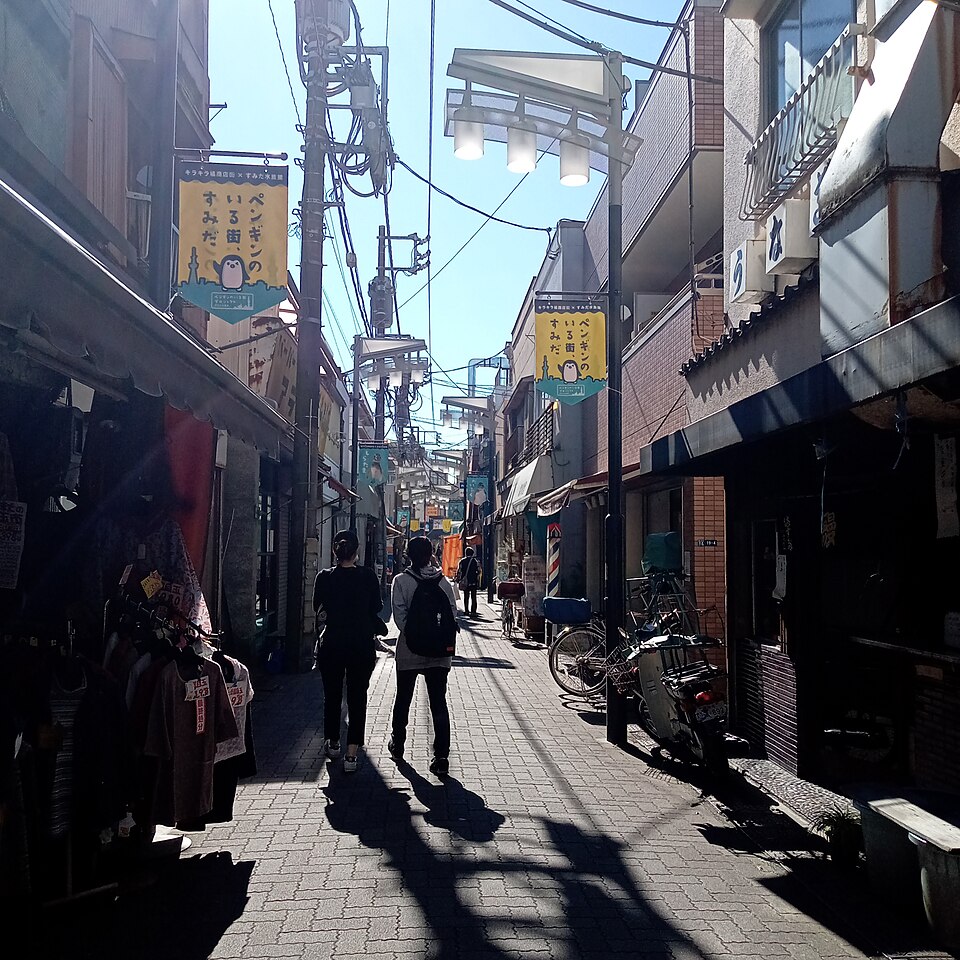
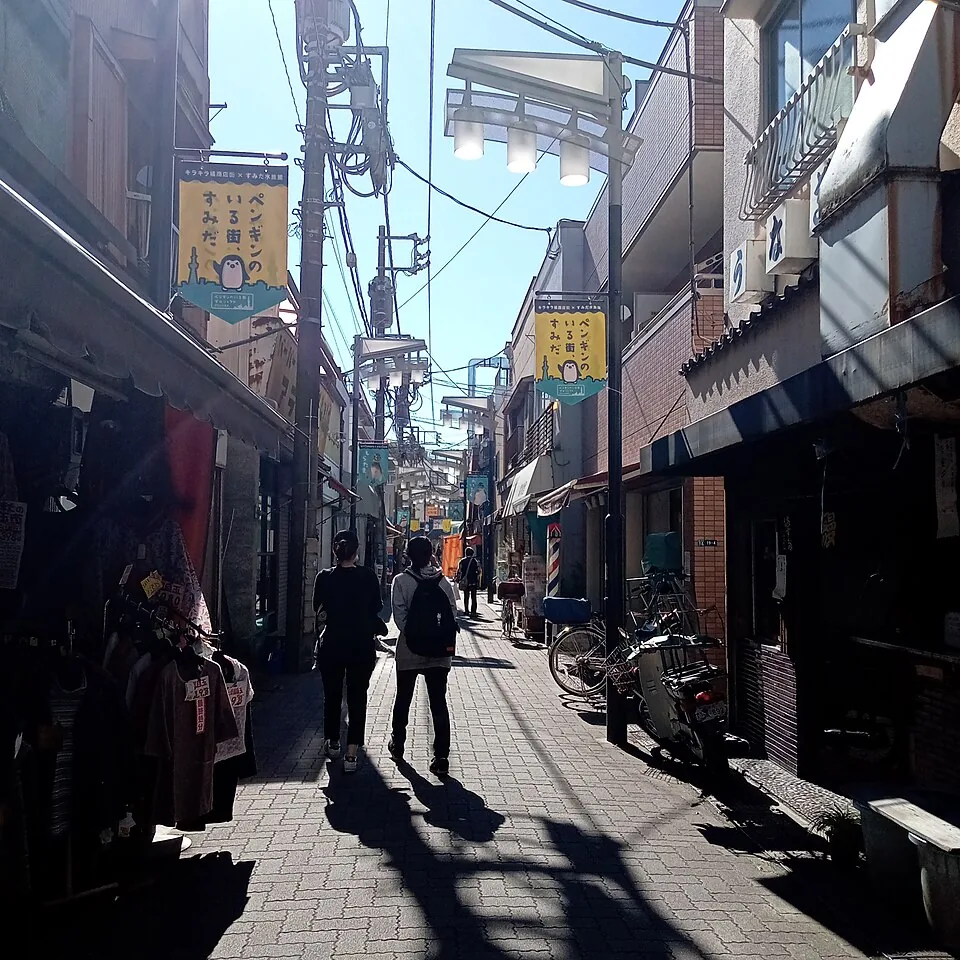
    Make Kirakira Tachibana Shopping Street your starting point. Its full Japanese name is Shitamachi Ninjo Kirakira Tachibana Shotengai. Save that on your map before you go. Remembering it after one reading deserves its own travel award.

    Kirakira Tachibana Shopping Street, November 2022
    Kirakira Tachibana Shopping Street, November 2022. Photo: 経済特区 / Wikimedia Commons / CC0.

    Why put Kyojima on your itinerary?

    Kirakira Tachibana is a community shopping street in Sumida City. The local tourism association describes it as roughly 470 meters long, with a streetscape that retains a Showa-era feel.

    That compact size is part of its appeal. You can browse without turning the afternoon into a transport puzzle. The question becomes simple: what catches your attention?

    A neighborhood shopping street is also a useful way into everyday Japanese food. GO TOKYO notes that many of the businesses here are food-related. Leave some appetite available and let the open shops shape your visit.

    A relaxed two-hour walk

    The following is our suggested pace, rather than a guided tour or a fixed schedule. Add more time if you want a longer meal or extra wandering.

    1. Start at Keisei Hikifune Station

    The shopping street’s official website lists a walk of about five minutes from Keisei Hikifune Station. Tobu Hikifune Station is a separate station, with a listed walk of about seven minutes.

    Search your map for 下町人情キラキラ橘商店街. Starting with the shopping street gives your walk an easy destination before you explore further.

    2. Browse once before deciding what to eat

    Give yourself around 30–45 minutes to look along the street. Check displays and menus, and see which businesses are open that day.

    The shopping street’s own website mentions bento and prepared-food shops. Think of lunch as something you can choose as you go. A takeaway box can be a perfectly good travel plan.

    For a simple order, try “Kore o hitotsu kudasai” — “One of these, please.” If you have dietary restrictions, check the ingredients before ordering.

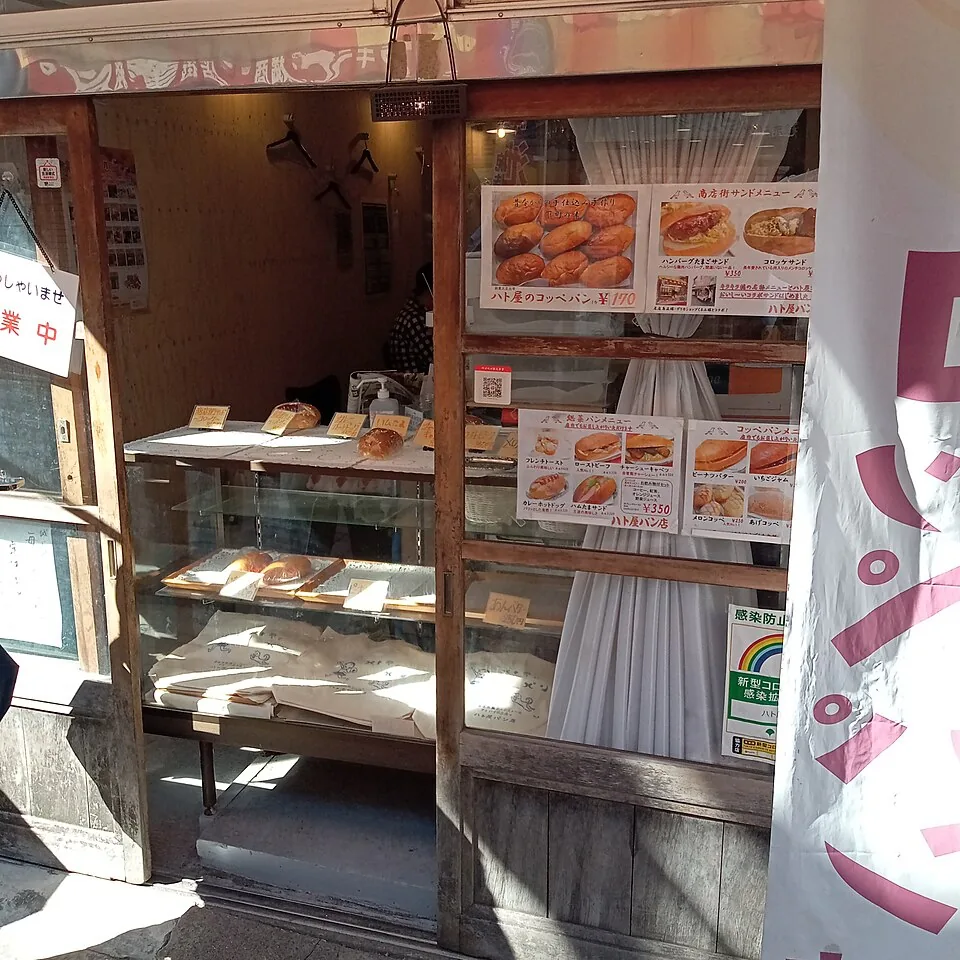
    The storefront and bread counter at Hatoya bakery in Kyojima.
    Hatoya bakery’s storefront, November 2022. Displayed prices are historical. Photo: 経済特区 / Wikimedia Commons / CC0.
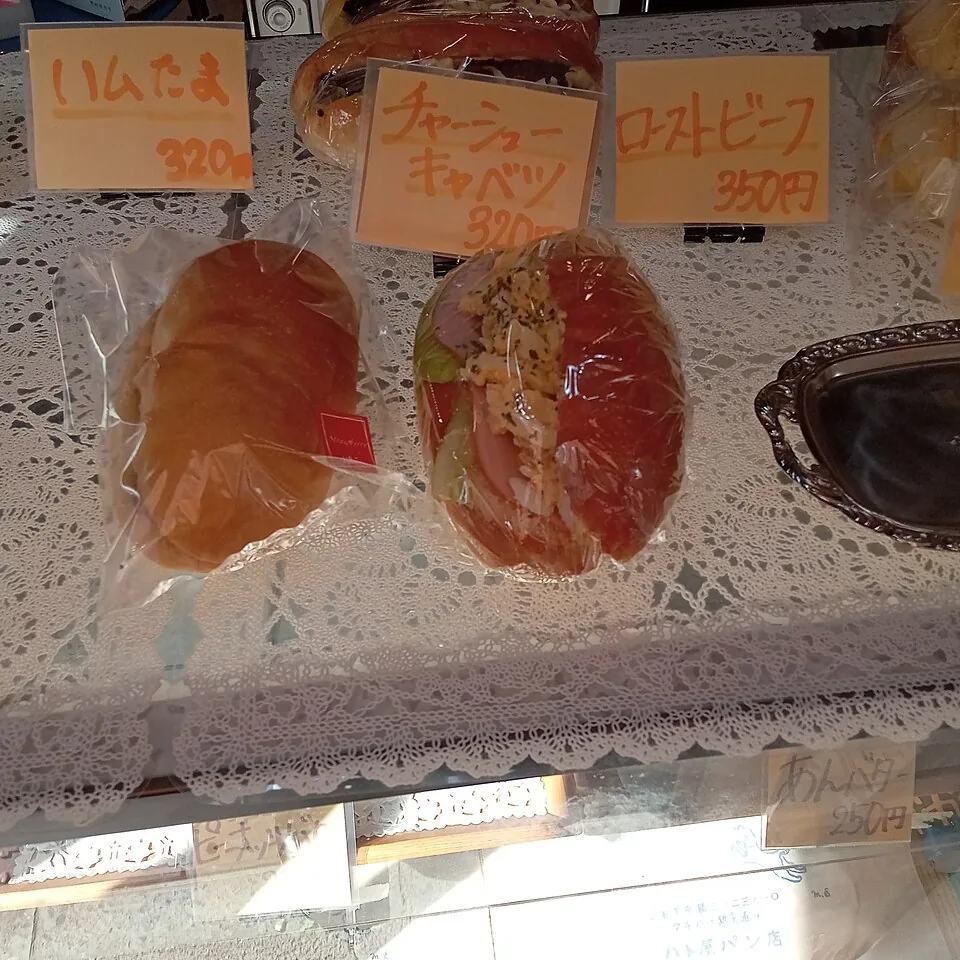
    Filled bread rolls on display at Hatoya bakery in Kyojima.
    Bread at Hatoya bakery, November 2022. Products and prices may have changed. Photo: 経済特区 / Wikimedia Commons / CC0.

    3. Take a proper break

    Oyasumidokoro Tachibana, on the ground floor of the shopping street office, provides tables and chairs. According to the official website, visitors can eat food bought in the shopping street there; alcohol is not allowed.

    The listed hours are 10:00–17:00, with Sunday closures except on event days. Check the current information before relying on it for your lunch stop.

    4. Leave time for the surrounding neighborhood

    After your break, allow another 30–45 minutes for nearby public streets, or return to a shop you noticed earlier. Keep the map handy so you can find your way back to the station.

    Look at the changing scale of the streets and buildings. Walk slowly enough to notice a detail you would normally pass. An afternoon does not need a queue to count as a good one.

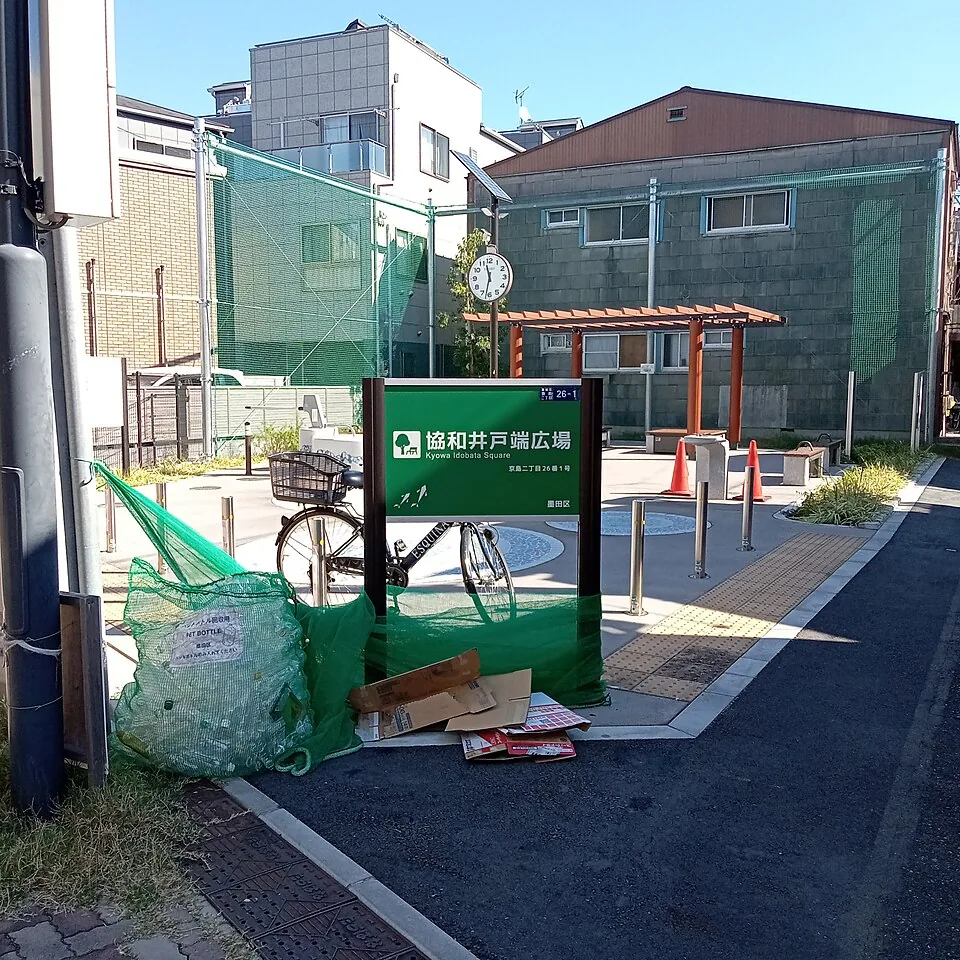
    The entrance sign, clock and pergola at Kyowa Idobata Square in Kyojima.
    Kyowa Idobata Square in Kyojima, November 2022. Photo: 経済特区 / Wikimedia Commons / CC0.
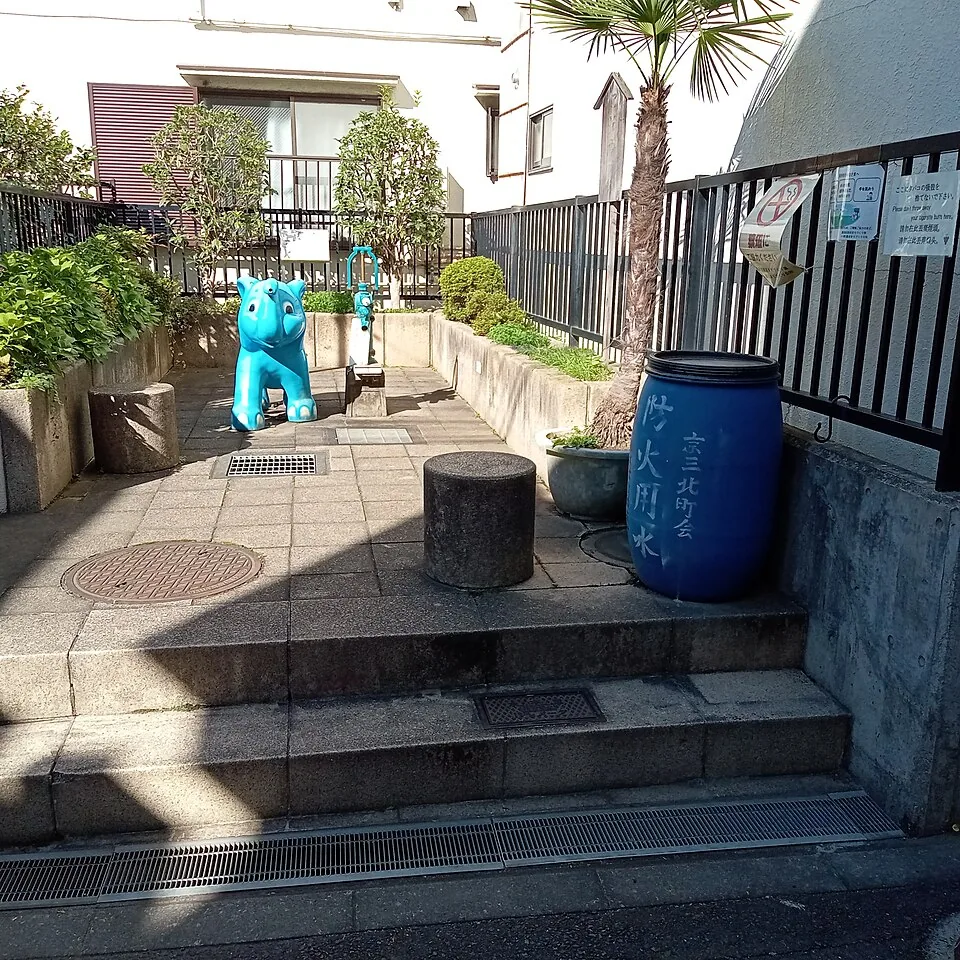
    A small neighborhood corner in Kyojima with a blue elephant-shaped feature and a hand pump.
    A small neighborhood corner in Kyojima, November 2022. Photo: 経済特区 / Wikimedia Commons / CC0.

    Before you go

    • Area: Kyojima, Sumida City, Tokyo.
    • Map destination: Kirakira Tachibana Shopping Street, around Kyojima 3-chome.
    • Suggested time: Around two hours, allowing for browsing and a food stop.
    • Opening hours: Check individual businesses. Plan around any particular shop you want to visit.
    • Bring: Comfortable shoes and some cash as a backup.

    Keep entrances clear, stay on public paths, and ask before photographing people or inside shops. If you are planning a commercial shoot, contact the shopping street association beforehand about its filming rules.

    Make room for an ordinary afternoon

    Kyojima fits a trip with a little breathing space: browse, choose lunch, sit down, and see what makes you stop on the way back.

    Leave a gap in the itinerary. Give a neighborhood the chance to fill it.

    Read next: A Tokyo Neighborhood That Still Feels Like Tokyo

    Related: Edo Kiriko: the glass Sumida still cuts by hand, and the ¥4,400 way to try it.

    Related: Tattoo-friendly sento on the east side: Koganeyu and Daikokuyu are a short walk from here.


    Planning information checked on September 11, 2026. This is a researched walking guide, not a firsthand visit report. Sources: Kirakira Tachibana Shopping Street official website, GO TOKYO, and Sumida Tourism Association. Hours and services may change.

    Something to make while you are here: Kyojima is fifteen minutes from the Sumida Edo Kiriko Museum, where you can cut a pattern into your own glass for ¥4,400 booked directly, or with an English-speaking guide for about ¥22,000 on Viator. Which is worth it is in the Edo Kiriko guide; the short answer is book direct unless you need the English.

    Where this joins the rest of the east side

    Kyojima sits between three of the east side’s best afternoons: the Edo Kiriko workshop and the tattoo-friendly baths to the south, the Shirahige-Higashi firewall to the north, and the river walk back to Asakusa. This street is number seven on our list of things to do in Sumida City.

    Quick answers

    Where is Kirakira Tachibana Shopping Street?

    In Kyojima 3-chome, Sumida City, about five minutes from Keisei Hikifune Station or seven from Tobu Hikifune, east of Tokyo Skytree. Its full name is Shitamachi Ninjo Kirakira Tachibana Shotengai.

    What is Kirakira Tachibana known for?

    A 470-meter shopping street that keeps a Showa-era feel, with many food shops: bento and prepared-food counters, the Hatoya bakery, greengrocers. It is a working neighborhood street, not a tourist market.

    Is there somewhere to sit and eat?

    Yes. Oyasumidokoro Tachibana, on the ground floor of the shopping street office, has tables where you can eat food bought on the street, 10:00 to 17:00, closed Sundays except event days. No alcohol.

    How long should I spend in Kyojima?

    About two hours: 30 to 45 minutes browsing the street, a break, then 30 to 45 minutes in the surrounding lanes of Kyojima, one of Tokyo’s last dense wooden neighborhoods.

    Written by Kizuku. I run the Sunamachi Ginza Sumo Stable, a sumo experience in Koto City, and I write about the east side of Tokyo I live and work in. More about this site →

  • A Tokyo Neighborhood That Still Feels Like Tokyo

    A Tokyo Neighborhood That Still Feels Like Tokyo

    This article may contain affiliate links to booking sites. If you book through them, LOCAL SIDE JAPAN earns a small commission at no extra cost to you. How this site is made →

    Tokyo is famous for neon lights, giant crossings and neighborhoods that never seem to sleep.

    But some of the best parts of the city are much quieter.

    Walk a few stations away from the places everyone already knows, and Tokyo begins to feel completely different.

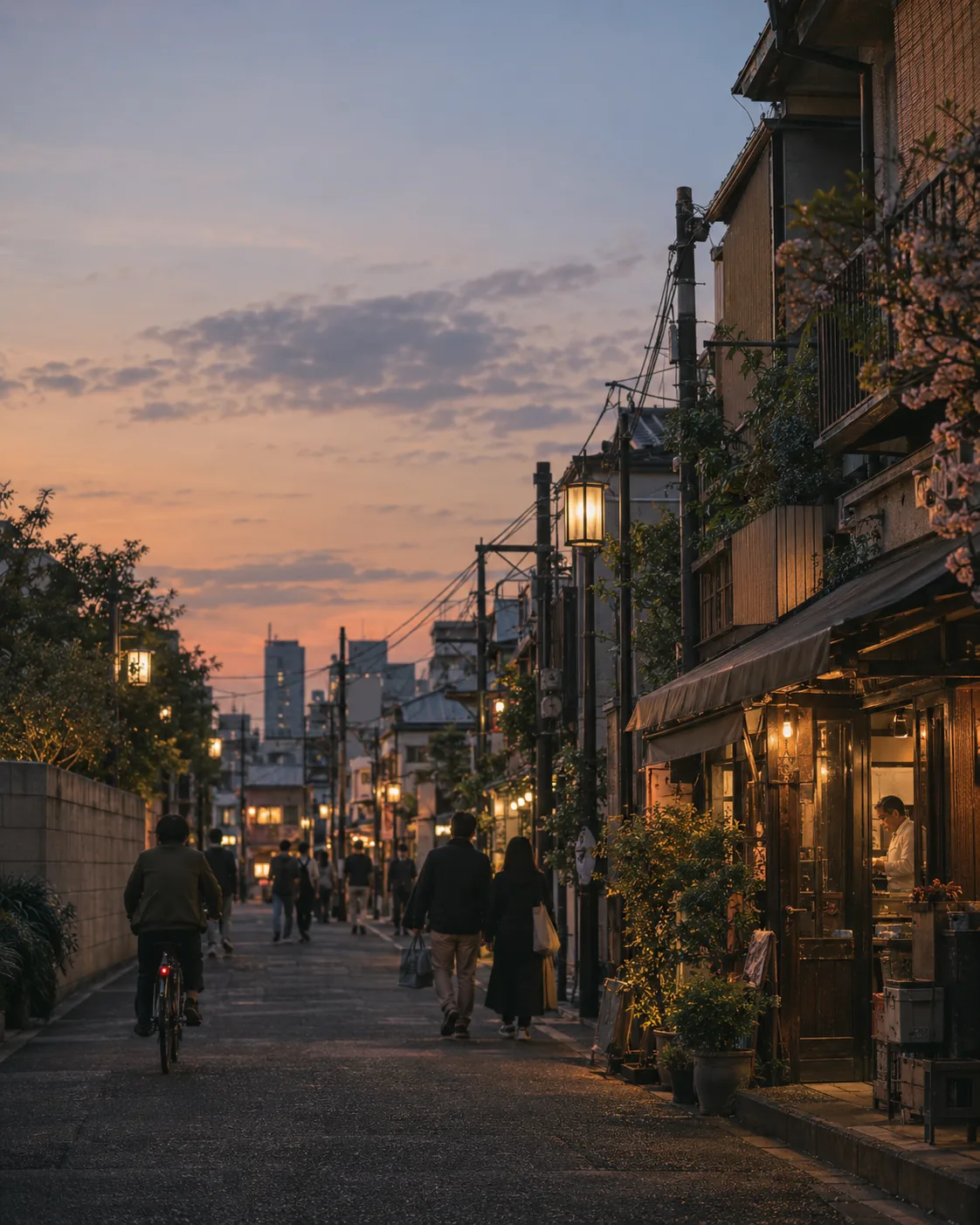
    Small shopping streets. Family-run stores. Old signs. People buying dinner on their way home.

    This is the Tokyo we love most.

    The Tokyo between the tourist attractions

    Most first-time visitors build their Tokyo trip around names they already know: Shibuya, Shinjuku, Asakusa, Harajuku.

    There is nothing wrong with those places. They are famous for a reason.

    But Tokyo is a city of neighborhoods.

    And once you start exploring those neighborhoods, the city becomes much more interesting.

    You begin to notice the small things.

    A tofu shop that has been making the same thing for decades.

    A tiny yakitori stand filling the street with smoke.

    A bicycle parked outside a family home.

    A shopkeeper chatting with the same customers they have known for years.

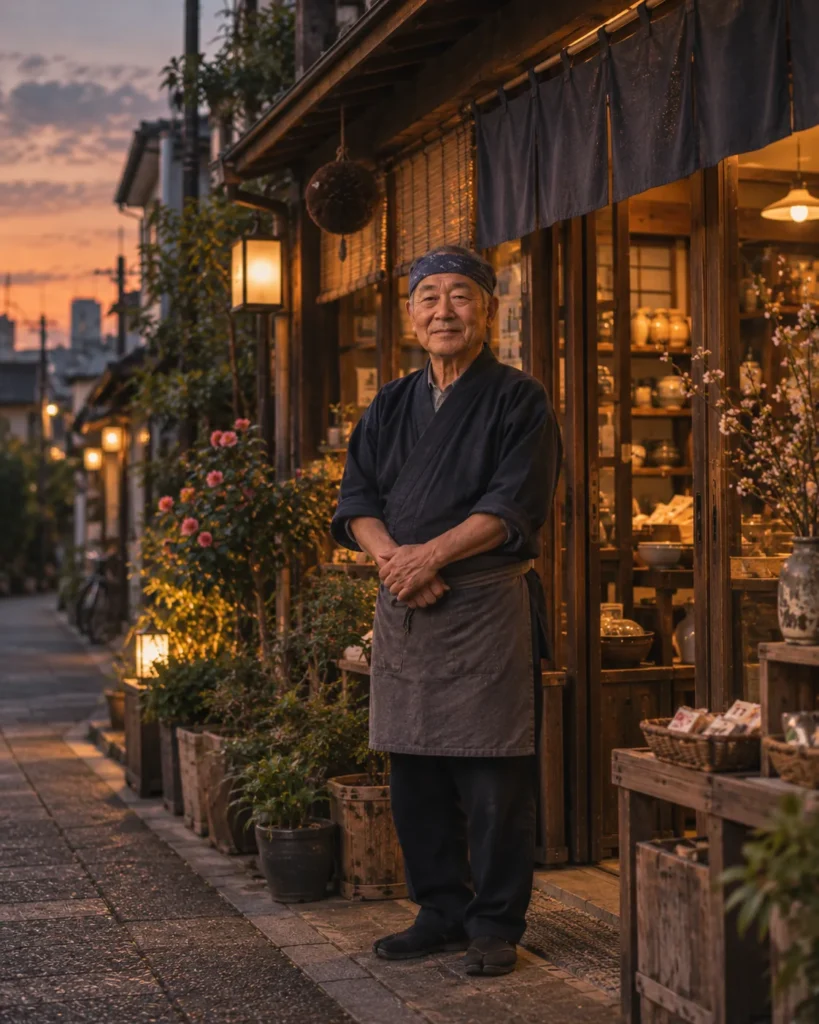
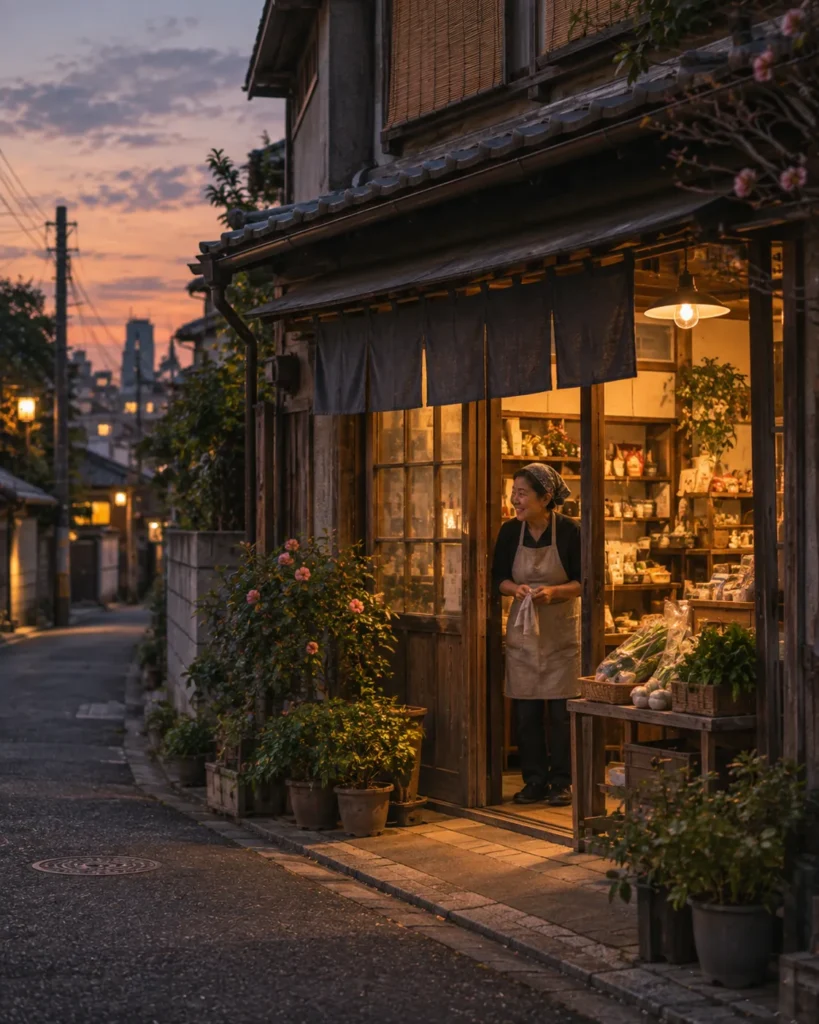
    A longtime shopkeeper standing outside a small Japanese store

    Why local shopping streets matter

    Japan’s neighborhood shopping streets are known as shotengai.

    They are not designed for tourists.

    They exist because people actually live there.

    You might find a butcher, a fish shop, a bakery, a tea store, a small restaurant and a place selling something so specific that you have no idea how it has survived for 50 years.

    That is exactly why we like them.

    A good shotengai is not an attraction.

    It is a piece of everyday life that visitors are temporarily allowed to step into.

    A small family-run shop in a local Japanese neighborhood

    Don’t arrive with a checklist

    The best way to explore a local neighborhood is to stop trying to optimize every minute.

    Walk slowly.

    Turn down a street because it looks interesting.

    Buy something even if you are not completely sure what it is.

    Sit somewhere that does not appear in every travel guide.

    The goal is not to collect landmarks.

    The goal is to notice the place.

    A small reminder: you are visiting someone’s neighborhood

    Local does not mean secret, and it definitely does not mean private property is suddenly a tourist attraction.

    Be curious, but be respectful.

    ・Ask before photographing people up close.
    ・Avoid blocking narrow streets or shop entrances.
    ・Support small businesses when you can.
    ・Do not treat ordinary residents like part of the scenery.

    The best local travel experiences happen when visitors and residents can both enjoy the same place.

    This is the side of Tokyo we want to show you

    LOCAL SIDE JAPAN is not about pretending famous places are bad.

    It is about showing that Japan has much more to offer beyond them.

    Sometimes the place you remember most will not be a temple, a tower or a famous crossing.

    It might just be a quiet street, a tiny shop and a conversation you did not expect to have.

    Come for Japan. Leave with a story.

    The sumo stable on one of these streets

    I run this one. Treat what follows as an interest declared, not a neutral recommendation — everything else on this site is chosen without one.

    The shopping street this article is really about is Sunamachi Ginza in Koto City, and the reason I know it well is that I work on it. The Sunamachi Ginza Sumo Stable is a 90-minute session with former professional wrestlers: you watch bouts from the edge of a real ring, then step into it yourself if you want to. It is on a working shopping street rather than in a tourist district, which is the whole argument of this article, so it would be odd to leave it out — and equally odd to pretend I found it.

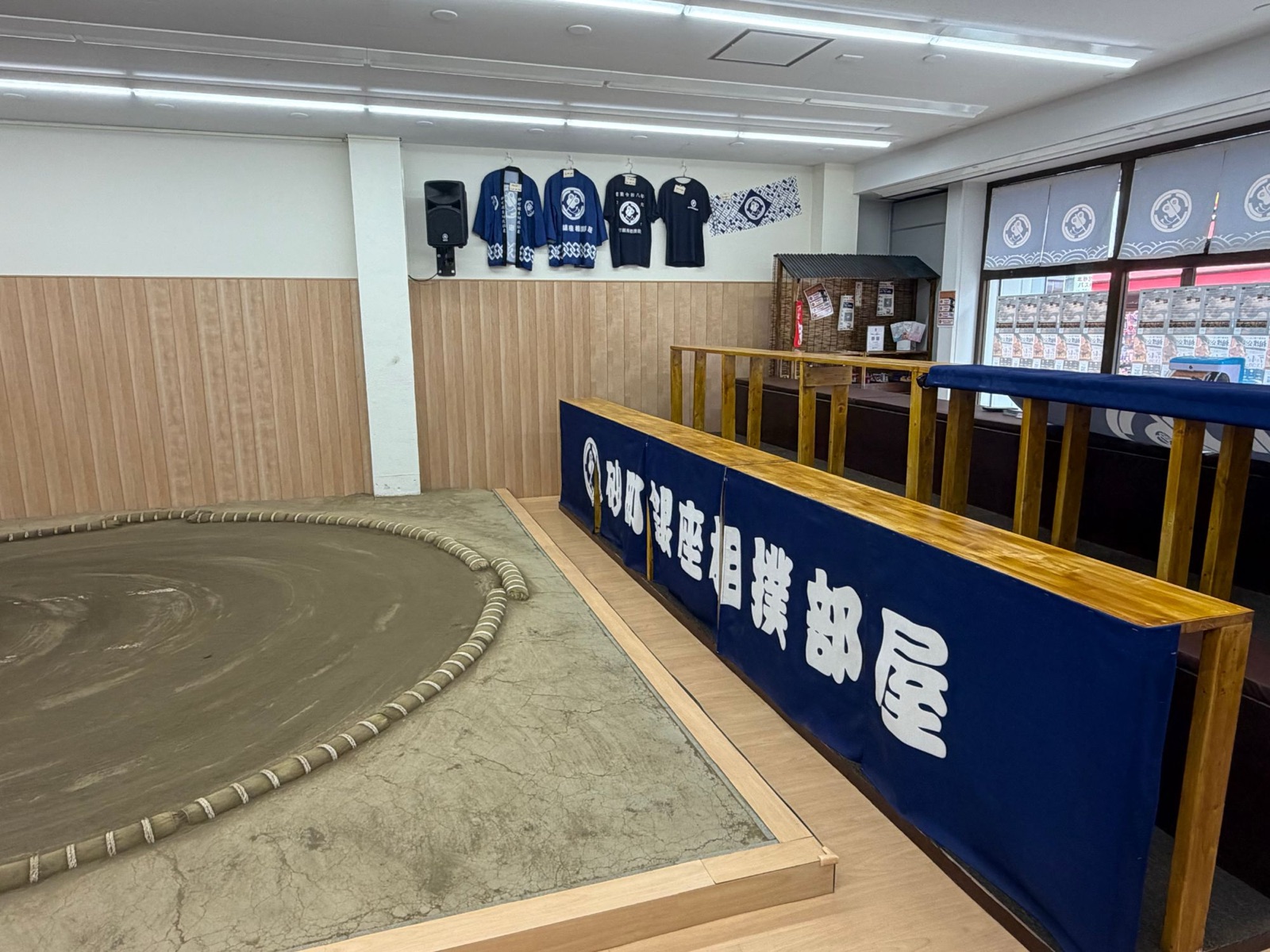
    The viewing counter at the Sunamachi Ginza Sumo Stable, running along the edge of the dohyo at ring level
    Inside: the counter runs along the edge of the clay at ring level, and there is nothing between it and the dohyo. Forty people maximum, no seat grades. It is a room on a shopping street, not an arena. Photo: LOCAL SIDE JAPAN.

    ¥11,000 adults · ¥7,700 children 4–12 · under 4 free · 11:00 and 15:30 · 90 minutes · closed Wednesdays and Thursdays · 3-38-16 Kitasuna, Koto City.

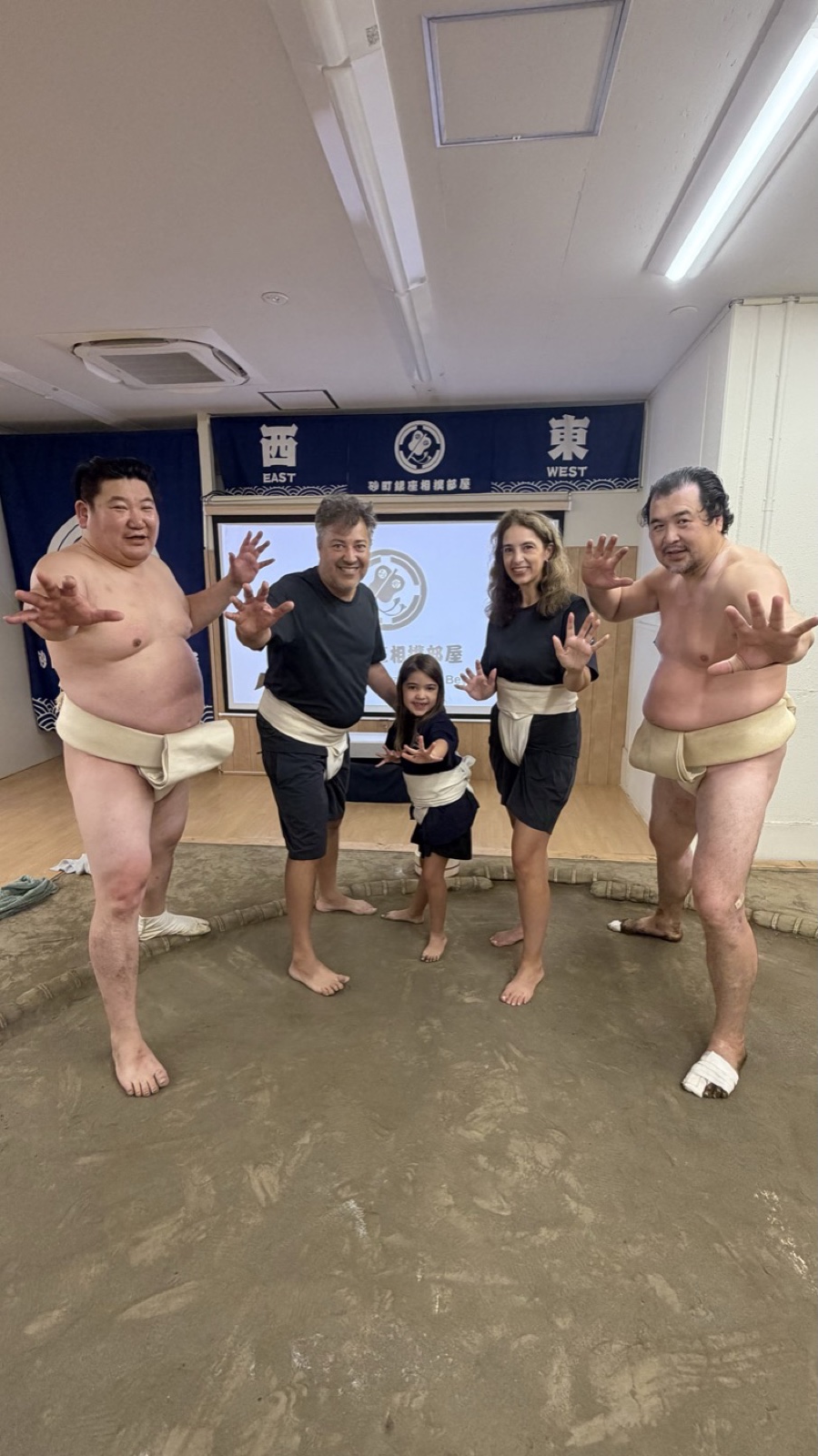
    Two wrestlers and a family of three, the adults in practice mawashi, posing on the dohyo at the Sunamachi Ginza Sumo Stable
    The end of a session: the photograph on the dohyo. The guests are still in the practice mawashi they were given. This is a room off a shopping street in Kitasuna, not a theatre. Photo: LOCAL SIDE JAPAN.

    If a hands-on session is not what you want, the other three ways to see sumo — the grand tournament at the Kokugikan, a real stable’s morning practice, and the commercial shows — are compared with prices in Sumo in Tokyo: morning practice vs sumo show vs the tournament, and tournament tickets are explained in how to actually get a ¥3,500 seat. And if you are weighing up the nine individual places rather than the three kinds, we compared all of them on the four things the listings leave out: whether everyone gets in the ring or it is decided by lottery, whether you wear a real mawashi or an inflatable suit, how close you sit, and what you eat.

    Where this joins the rest of the east side

    Start with the streets themselves: Kirakira Tachibana in Kyojima, Sunamachi Ginza, Yanaka on a weekday, Shibamata, and Kita-Senju’s standing bars. Sunamachi Ginza has no food tour and does not need one — the reasoning is in food tours by area, where ¥2,000 of croquettes here is set against ¥15,000 for the same number of bites at Tsukiji. Every ward is on the map on the homepage, and the things worth booking are on the Experiences page.

    Quick answers

    What is a shotengai?

    A neighborhood shopping street: butchers, fishmongers, bakeries, tofu shops and small restaurants that exist because people live nearby, not for tourists. Tokyo’s east side has dozens; Sunamachi Ginza, Kirakira Tachibana and Shibamata’s approach street are three to start with.

    Which Tokyo neighborhoods still feel local?

    On the east side: Kyojima and Mukojima in Sumida, Sunamachi and Kiyosumi-Shirakawa in Koto, Yanaka and Minowa in Taito and Arakawa, Kita-Senju in Adachi, Shibamata in Katsushika, and Oji and Akabane in Kita.

    How should visitors behave in a local shopping street?

    Ask before photographing people, keep entrances and narrow streets clear, buy something, and remember residents are not scenery. The best experiences happen when visitors and locals can both enjoy the same place.

    Written by Kizuku. I run the Sunamachi Ginza Sumo Stable, a sumo experience in Koto City, and I write about the east side of Tokyo I live and work in. More about this site →

    Related: How to actually get a sumo ticket in Tokyo (and what it really costs).